

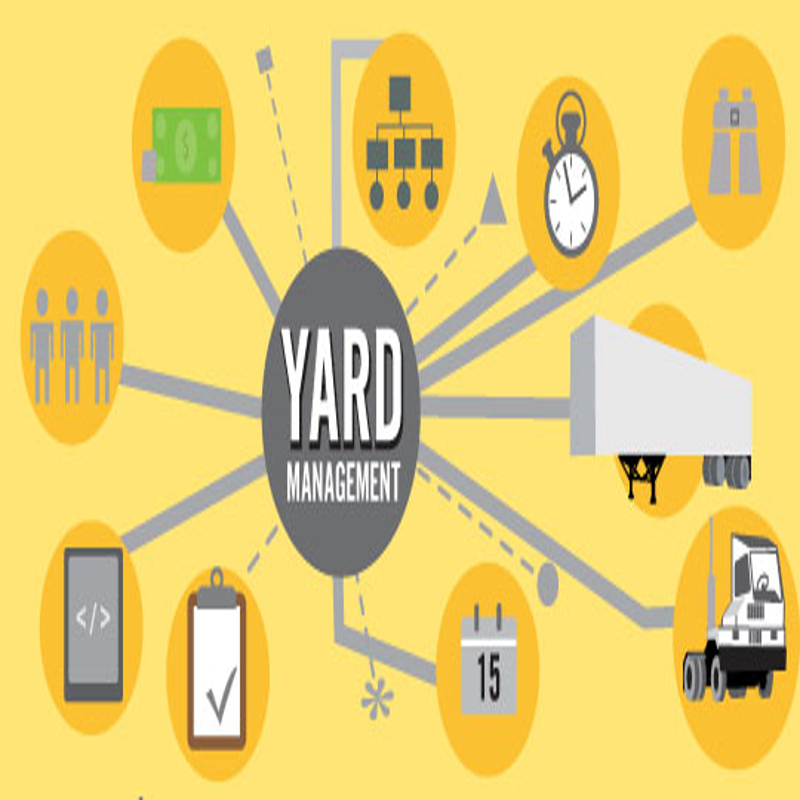

A yard management system has to coordinate the gate, the yard and the docks in real time. Designing it as a workflow, a clear sequence of steps with rules and data at each stage, makes the system easier to build, change and run. This article explains how a workflow-based yard management system is designed, why dock allocation matters so much and how such a system can be implemented.
Key takeaways
- A YMS manages the movement of trucks and trailers through gate, yard and dock.
- Its core functions are gate control, dock control and container or trailer control.
- Dock allocation has the biggest effect on yard efficiency, so its rules need careful design.
- Workflow tools let the process be modelled visually and changed without rewriting the system.
Core functions of a yard management system
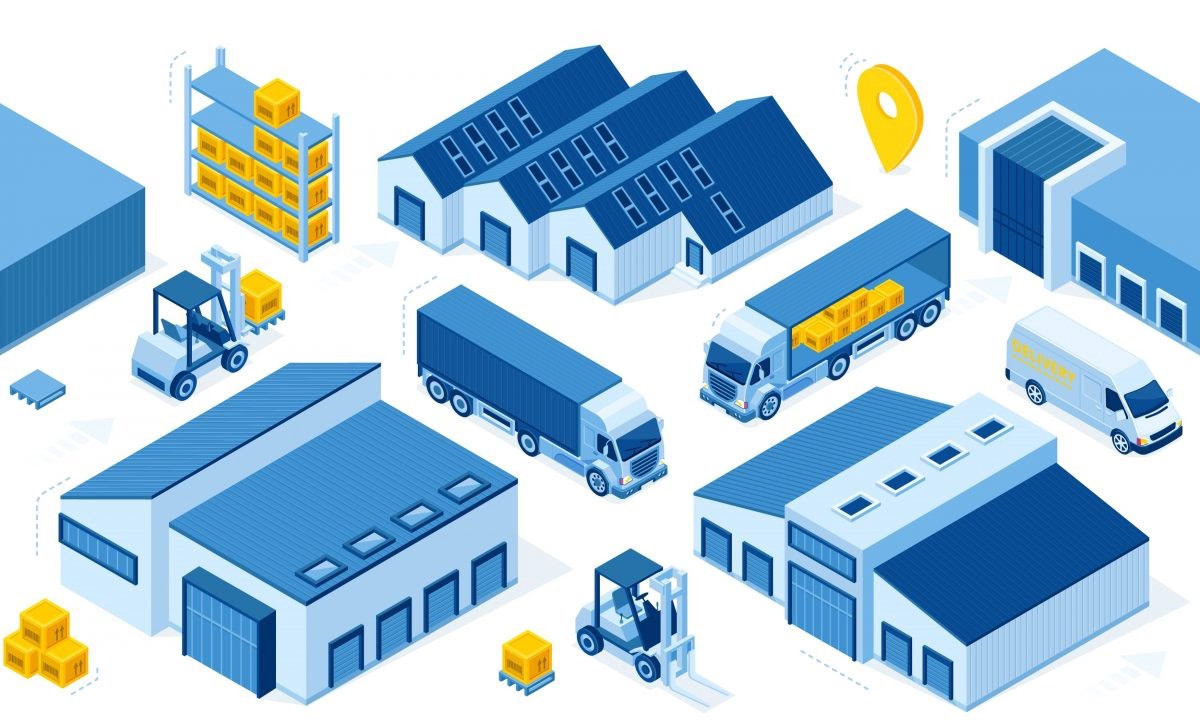
A yard management system (YMS) is software that monitors the movement of trucks and trailers in the yard of a plant, warehouse or distribution centre. Most systems include three main functions:
| Function | What it covers |
|---|---|
| Gate control | Check-in and check-out of trucks, documents and identity checks |
| Dock control | Assigning trucks to docks and tracking loading and unloading |
| Container or trailer control | Where each trailer or container is parked, and when it moves |
These functions must share data in real time. The system is usually built in layers, so it can support simple yards as well as complex sites with many gates and docks.
Designing the yard as a workflow
In a workflow-based design, each truck visit is a case that moves through defined steps. Each step has its own rules, data and users: the gate checks documents, the yard team parks the trailer, the dock team loads or unloads, and the gate closes the visit. Exceptions, such as missing documents or a busy dock, are handled by clear alternative paths.
Why dock allocation matters most
Most of the work in a distribution centre happens at the docks, so the way trucks are assigned to docks has a big effect on yard performance. Dock allocation rules usually aim to balance three goals:
- Makespan: finishing all loading and unloading as early as possible.
- Total waiting time: keeping trucks from queuing for a free dock.
- Arrival order: treating trucks fairly in the order they arrive, unless priorities apply.
A simple model assumes identical docks, trucks that need one operation each and one truck per dock at a time. Real yards add appointment times, priorities and dock types, so the rules must be flexible.
Implementing a workflow-based YMS
- Model the process. Draw each step from gate in to gate out, including exceptions.
- Define the data. Decide what is captured at each step: truck, driver, trailer, documents, times.
- Choose a workflow engine. Use a tool that runs the modelled process, such as one based on XML standards like YAWL, or the workflow layer of a YMS platform.
- Build the forms and checks. Each step only completes when its data is valid.
- Integrate and test. Connect gate devices, WMS, TMS and ERP, then test with real truck flows.
Because yard management is still less mature than other supply chain systems, the yard often remains a bottleneck. A well-designed workflow removes delays in container pick-up, vehicle docking and gate passing. For a non-technical overview, see the role of a yard management system in business.
Workflow-based YMS implementation support
Suraj Informatics designs and integrates yard management systems for plants, warehouses, ports and logistics hubs in India, with gate, dock and trailer workflows connected to RFID, number-plate recognition, weighbridges and ERP on the GATIVRA platform.
Yard management system design: common questions
What is a workflow-based yard management system?
It is a YMS in which each truck visit follows a defined sequence of steps, with rules and data at each stage, run by a workflow engine.
Why is dock allocation so important?
Most yard work happens at the docks, so poor allocation causes queues, idle docks and late shipments.
What is YAWL?
YAWL (Yet Another Workflow Language) is a workflow language and system based on XML standards, used to model and run business processes.
Can a YMS connect to a WMS and ERP?
Yes. A YMS usually exchanges data with the warehouse management system, transport management system and ERP.
Talk to our yard automation team
Tell us about your gates, docks and yard layout, and we will suggest the right yard workflow.