

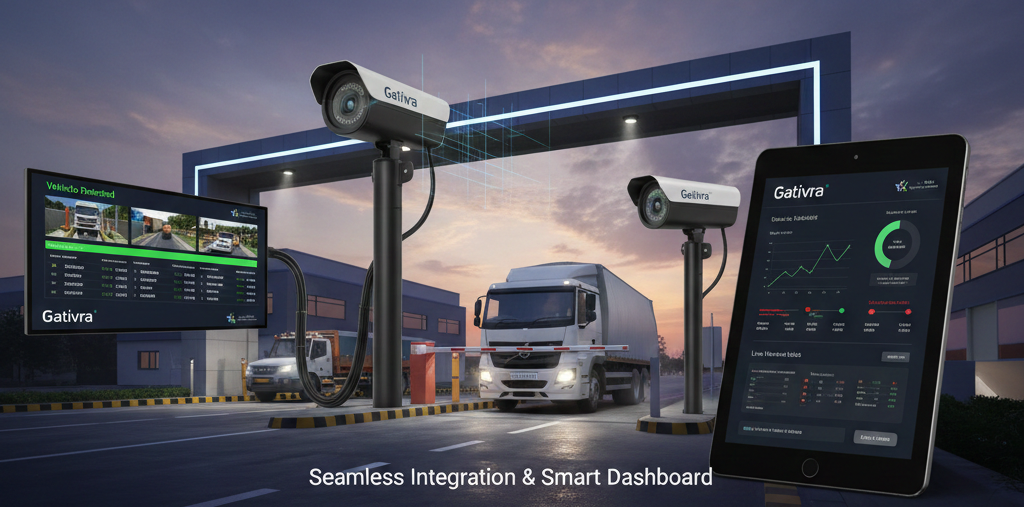

The yard is the link between transport and the warehouse, and it is often where trucks wait, trailers get lost and costs build up. A yard management system (YMS) gives yard staff real-time information on every trailer and truck, so they can move them from staging to the docks quickly. This guide explains the role a YMS plays in improving how a business runs, where it saves money and the main yard management system benefits.
Key takeaways
- A YMS tracks trailers and trucks in the yard of a plant, warehouse or distribution centre in real time.
- It usually works alongside a warehouse management system (WMS) and transport management system (TMS), often with RFID.
- Many late deliveries come from slow yard and loading processes, not from traffic or routing.
- A YMS cuts demurrage, detention and labour costs and gives managers clear yard KPIs.
What is a yard management system?
A yard management system is software that monitors the yard of a manufacturing plant, warehouse or distribution centre. It gives yard employees real-time information on where each trailer is, so they can move trailers efficiently from staging to the docks and fulfil orders on time.
A YMS is usually used together with a warehouse management system (WMS) and a transportation management system (TMS). For faster and more accurate tracking, it can also use RFID technology to identify trailers and trucks automatically.
Why the yard matters to your supply chain
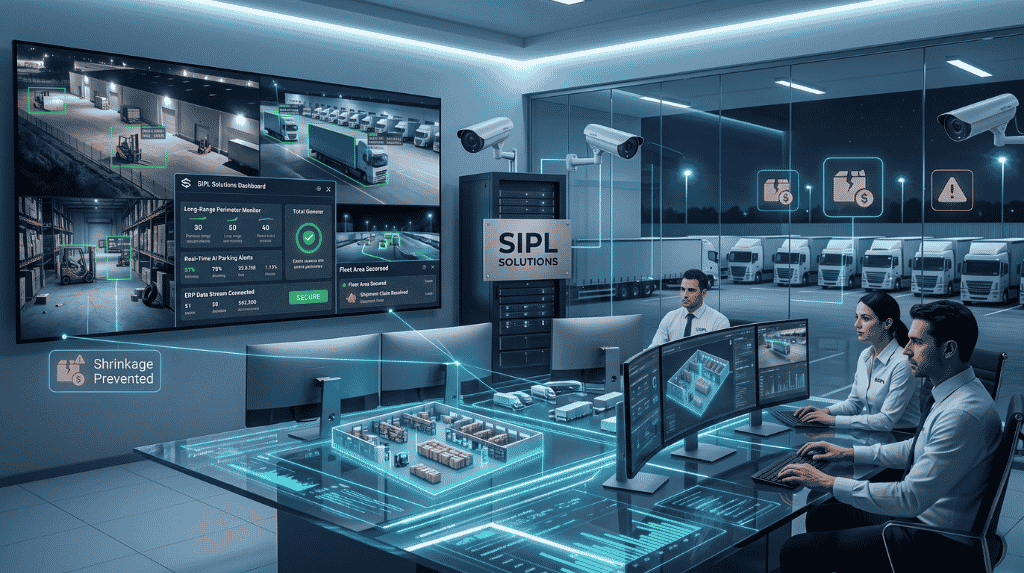
When companies look to improve supply chain efficiency, they usually focus on transport and warehousing. The yard, the small but important link between the two, is often overlooked.
Late deliveries are a common problem in logistics and lead to financial losses, missed opportunities and unhappy customers. When the causes are investigated, delays are often traced to slow loading and yard processes rather than traffic or poor routing. Manual yard checks and searching for trailers take time and increase the risk of loss, so upgrading yard management can have a big effect on supply chain performance.
How a YMS improves the way business is run
- Automated gate-in and gate-out. Trucks and trailers are identified and recorded at the gate without paperwork.
- Appointment scheduling. Carriers book slots, so arrivals are spread out and docks are ready.
- Real-time trailer location. Yard staff see where every trailer is instead of searching for it.
- Dock assignment. Trailers are moved to the right dock at the right time.
- Reports and KPIs. Accurate data lets shippers and 3PLs set, track and improve yard performance targets.
When targets are missed, managers can quickly see which tasks need attention. Better process control increases the flow of goods through the site and lets yard and warehouse staff be used more effectively.
Does a yard management system save money?
Yes. Reducing the cost of yard operations is one of the main goals of a YMS.
| Cost area | How a YMS reduces it |
|---|---|
| Demurrage and detention | Scheduled appointments and faster turnaround keep carriers moving and avoid waiting charges |
| Labour | Less time spent on phone calls, searching for trailers and manual checks |
| Lost or misplaced assets | Every trailer and load is tracked from gate to dock |
| Dock idle time | Docks are scheduled and kept busy instead of waiting for the next truck |
Main yard management system benefits
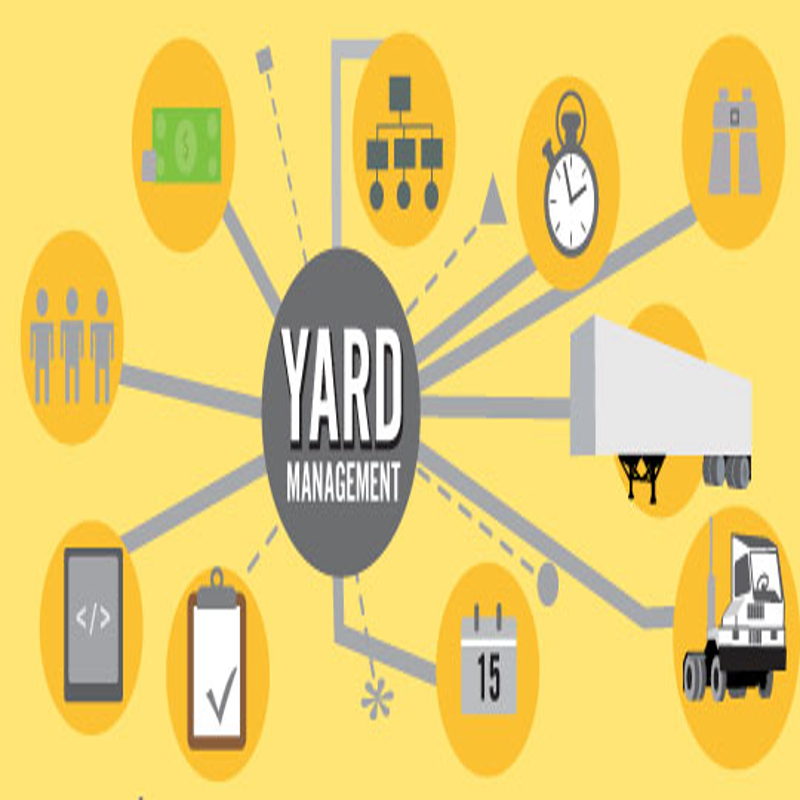
- More visibility of every truck and trailer in the yard.
- Better planning of arrivals, docks and labour.
- Faster, more accurate work with less manual effort.
- Better communication between gate, yard, warehouse and carriers.
- Security and loss prevention with a record of every movement.
- Cost savings on demurrage, detention and labour.
- Room to scale as volumes grow, plus happier staff and better customer goodwill.
Yard management systems for plants and warehouses
Suraj Informatics delivers a yard management system for plants, warehouses, ports and logistics hubs in India, linking gate automation, RFID and number-plate recognition, dock scheduling and weighbridges on the GATIVRA platform.
Yard management system: common questions
What does a yard management system do?
It tracks trucks and trailers in a site’s yard in real time and manages gate-in, gate-out, appointments and dock assignments, so loads move through the site faster.
How is a YMS different from a WMS?
A WMS manages stock and work inside the warehouse. A YMS manages vehicles and trailers outside it, in the yard and at the docks. The two are often connected.
How does a YMS reduce costs?
It cuts demurrage and detention charges through faster turnaround, reduces labour spent on searching and calling, and prevents lost or misplaced trailers.
Can a YMS use RFID or ANPR?
Yes. RFID tags and number-plate recognition cameras can identify trucks and trailers automatically at the gate and in the yard.
Talk to our yard automation team
Tell us about your site, docks and truck volumes, and we will suggest the right yard management setup.