



An unmanned weighbridge weighs a truck without an operator in the cabin: sensors detect the vehicle, cameras and RFID identify it, and the weight goes straight to the central database. Any business that buys, sells or moves material by weight can use one. This guide looks at four common settings, logistics yards, mining, construction and agricultural trade, and what each needs from the system.
Key takeaways
- An unmanned weighbridge replaces manual weight entry with sensors, cameras, identification and software.
- Logistics, mining, construction and agriculture all weigh large numbers of vehicles, so errors and queues cost them the most.
- Each sector needs a different mix of identification (RFID, number-plate cameras), reporting and integration with its own systems.
- Start with the weighing process you have today, then decide which steps to automate.
How an unmanned weighbridge captures a weighment
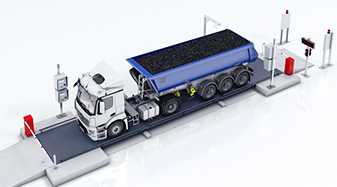
The Suraj Informatics unmanned weighbridge combines sensors, cameras and software for autonomous vehicle weighing. When a vehicle approaches, a sensor detects it and triggers the system to capture images, read the vehicle identity, record the weight and send the record to a central database. Because a person is no longer typing in numbers, there are fewer chances for entry mistakes and the vehicle moves on sooner.
Logistics yards and transport hubs
In a logistics hub, trucks arrive all day and often through the night. An unmanned weighbridge keeps weighing during all shifts without a clerk on duty, and the record is linked to the vehicle, the consignment and the gate pass. That helps with billing by weight and with checking loads against the documents the driver carries.
When the weighbridge is connected to the GATIVRA platform, the weight can also trigger the next step, such as opening a barrier or sending the truck to a dock.
Mining, quarrying and bulk material sites
Mines and quarries ship large volumes of material in heavy vehicles, so the weight on each ticket decides payments and royalties. Automated weighing gives every dispatch a time-stamped record with images, which makes disputes easier to settle. Our guide to unmanned weighbridges for bulk materials covers the mining, cement and steel case in more detail.

Construction sites and ready-mix plants
Construction sites receive aggregate, cement, steel and ready-mix in truck loads. Weighing each load on entry and exit shows what was actually delivered and helps the site match deliveries to purchase orders. Temporary or remote sites also benefit from a system that works with a small team.
Agricultural markets, mills and cold chains
Grain markets, sugar mills and produce traders weigh many vehicles in a short season. Fast, automatic weighing reduces queues of tractors and trucks, and a printed or digital ticket gives the farmer and the buyer the same figure. Seasonal peaks make the speed of each weighment especially important.
| Sector | Main need | Typical identification |
|---|---|---|
| Logistics hubs | Round-the-clock weighing linked to gate passes | RFID or number-plate camera |
| Mining and quarries | Tamper-resistant records for royalties and billing | RFID plus camera images |
| Construction | Delivery checks against orders | Camera or manual ticket lookup |
| Agriculture | Fast turnaround in peak season | Number-plate camera or card |
Questions to answer before choosing a system
- Vehicle volume. Count weighments per hour at peak, not the daily average.
- Identification. Decide whether RFID tags, number-plate cameras or both suit your fleet.
- Integration. List the ERP, billing or gate systems that must receive the weight.
- Environment. Dust, rain and heat affect cameras and sensors, so ask how they are protected.
- Compliance. Confirm who calibrates and certifies the platform under Legal Metrology rules.
Unmanned weighbridge integration across Indian industries
Suraj Informatics designs and integrates unmanned weighbridge systems for plants, ports, mines and logistics hubs in India. For related reading, see how an unmanned weighbridge works step by step and 8 reasons to automate your weighbridge.
Calibration note: automation does not replace legal metrology. The weighbridge, load cells and indicator must still be calibrated, stamped and verified at the intervals required by the Legal Metrology authorities, and after any repair or relocation.
Unmanned weighbridge uses: common questions
Which industries use unmanned weighbridges?
Logistics and transport hubs, mining and quarrying, cement and steel, construction, agricultural markets and manufacturing plants all use them, because they all weigh vehicles in large numbers.
Can an unmanned weighbridge work at a small site?
Yes. A site with one weighbridge and a small team can still benefit, because the system removes manual entry and keeps a record with images. The scale of the setup depends on volume and integration needs.
Do I need RFID for an unmanned weighbridge?
Not always. RFID tags suit fleets that visit regularly, while number-plate cameras suit occasional vehicles. Many sites use both.
Does automation remove the need for calibration?
No. The platform, load cells and indicator still need calibration and verification under Legal Metrology rules.
Talk to our weighbridge team
Tell us about your weighbridge and vehicle types, and we will suggest the right sensors and guidance devices.