




RTLS project scope decides how much work a location system really takes. Two projects can look alike and still differ widely in effort. The size of the area, the accuracy needed, the number of tagged items and the systems to connect all change the work. This guide lists the factors that shape scope so that you can ask suppliers for comparable, written quotes.
Key takeaways
- Area, accuracy and tag count are the three biggest scope drivers.
- Integration with ERP, WMS or maintenance systems adds planning and testing.
- A written scope makes quotes comparable.
- Start with one zone and one question, then grow.
The factors that set the size of an RTLS project
Scope grows with the area covered, the precision required and the number of things you tag. Room-level knowledge needs fewer devices than metre-level position. Hundreds of tags need more management than a dozen.
| Factor | Effect on scope |
|---|---|
| Area | Floor space, outdoor ground and number of buildings |
| Accuracy | Room, zone or point-level tracking |
| Tags | Number, type and battery needs |
| Integration | Links to ERP, WMS, CMMS or security systems |
| Support | Training, service cover and spare tags |
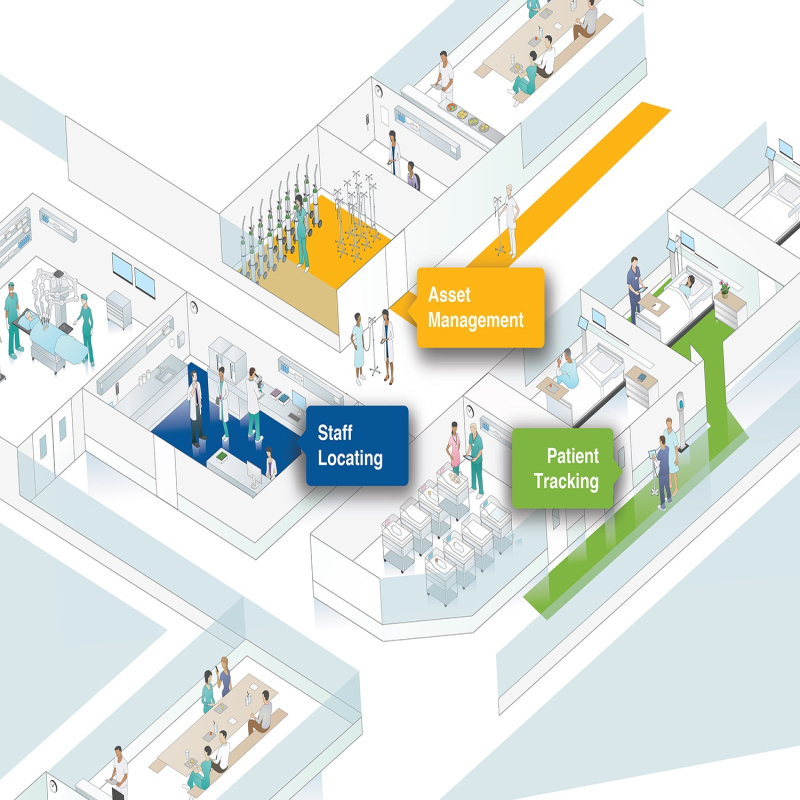
Accuracy is a business choice, not just a spec
Higher accuracy usually needs more devices and more careful installation. Ask what decision the location data will support. If knowing the right room is enough, do not specify point-level tracking. Our article on how RTLS works and where it is used shows common accuracy levels by use.
Integration work that is easy to overlook
Location data becomes more useful when it reaches the systems staff already use. Connecting to an ERP, a warehouse system or a maintenance tool needs data mapping, security review and testing. Ask the supplier to list each interface, who builds it and how it is tested.
Comparing supplier quotes fairly
Give each supplier the same brief: floor plans, zones, accuracy, tag counts and systems to connect. Ask them to state what is included, what is excluded and what ongoing support involves. Differences then show up clearly rather than hiding in assumptions.
- Share the same floor plans and use-case list with every supplier.
- Ask for a written scope with inclusions and exclusions.
- Check what the quote assumes about site conditions.
- Ask how changes after signing are handled.

Scoping an RTLS project with Suraj Informatics
Suraj Informatics provides RFID and RTLS solutions and prepares a written scope after a site review. Contact us to describe your area and what you need to locate.
RTLS scope: your questions answered
What should be decided before asking for quotes?
The zones to cover, what to track, the accuracy needed and the systems to connect.
Can an RTLS project be phased?
Yes. Many sites begin with one area and extend after reviewing results.
Do tags need replacing?
Tags with batteries need planned replacement. Ask for battery life under your reporting rate.
Why do quotes for the same site differ?
Suppliers may assume different accuracy, device counts or support, which a written scope exposes.
Talk to our RTLS team
Tell us what you need to locate and where, and we will suggest the right tags, readers and software.