



IoT in smart cities means connecting sensors, cameras and devices to software that helps city teams run services better. Instead of reacting to complaints, they can see what is happening and act early. This article looks at five IoT applications that are changing urban services and what a city needs to put them in place.
Key takeaways
- IoT turns city assets into sources of live data for traffic, safety, waste, energy and environment.
- Traffic and public-safety systems usually deliver the most visible early results.
- Waste, energy and environment sensors save resources and reduce emissions.
- A shared platform and command centre stop each department building its own silo.
How IoT works in a smart city

Sensors and cameras collect data, networks carry it to a platform, and software turns it into alerts, dashboards and automated actions. A city command and control centre brings the data together so different departments can work from the same picture.
1. Traffic management
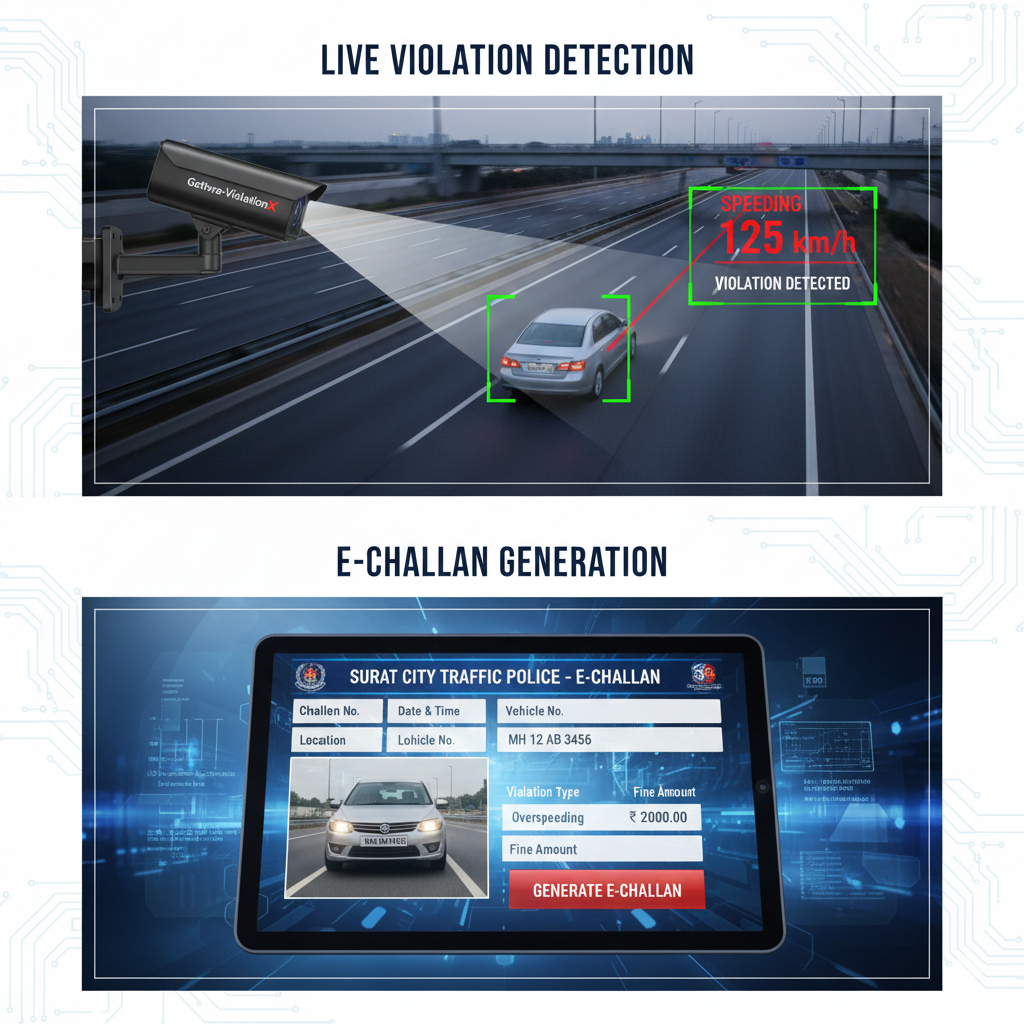
Connected signals, vehicle detectors and ANPR cameras show traffic flow in real time. Signals can adapt to demand, incidents are spotted sooner and violations can be recorded automatically. See how smart traffic and parking with IoT works in practice.
2. Public safety and surveillance
City surveillance networks with video analytics alert control rooms to incidents, crowd build-up or unauthorised access to restricted areas. Integration with emergency services helps teams respond faster and with better information.
3. Waste collection, energy and lighting
| Application | What IoT adds |
|---|---|
| Waste collection | Fill-level sensors in bins so trucks collect only when needed |
| Street lighting | Smart lights that dim, brighten or report faults automatically |
| Building energy | Monitoring of HVAC, lighting and power use in public buildings |
| Public Wi-Fi and kiosks | Connected services and information points for citizens |
These applications reduce fuel, energy and maintenance costs and make services more reliable.
4. Environmental monitoring
Air-quality, noise, water and weather sensors give city teams live readings across neighbourhoods. The data supports early warnings, pollution control measures and long-term planning.
5. Citizen services and a shared platform
- Start with priorities. Pick the services where data will make the biggest difference first.
- Build a shared platform. Avoid separate systems for each department.
- Plan connectivity and security. Choose suitable networks and protect devices and data.
- Set up a command centre. Bring dashboards and alerts into one place.
- Measure results. Track response times, costs and service levels.
For the full architecture, read how smart city IoT solutions work. Suraj Informatics delivers IoT smart city solutions including cameras, sensors, ANPR and command-centre software.
IoT in smart cities: common questions
What is IoT in smart cities?
It is the use of connected sensors, cameras and devices, linked to software, to monitor and improve city services in real time.
Which smart city IoT application should come first?
Many cities start with traffic management and public safety because the benefits are visible quickly.
How is data from different departments combined?
Through a shared IoT platform and a command and control centre.
Is security a concern for smart city IoT?
Yes. Devices, networks and data must be protected with access control, encryption and monitoring.
Talk to our smart city team
Tell us about the city services you want to improve, and we will suggest the right IoT approach.