




Cybersecurity metrics show whether your defences are working, not just whether tools were bought. A few well-chosen measures, such as time to detect and time to recover, give managers something concrete to act on. This guide explains which metrics to track and how to report them.
Key takeaways
- Measure results, not just the number of tools in place.
- Time to detect and time to recover are the clearest signs of how well you cope.
- Take figures from systems you already run and fix one definition per metric.
- Report trends with plain comments and be honest about weak spots.
Why a security programme needs numbers
Buying tools is not the same as being secure. Without measurement it is hard to tell whether defences are improving, whether money is well spent or whether a problem is building. Cybersecurity metrics turn a vague feeling of safety into facts that managers can discuss.
Good metrics are few, simple and tied to a decision. A long dashboard that nobody acts on does not help.

Six metrics worth tracking
These measures are practical for most organisations. Set your own targets from your own starting point.
| Metric | What it tells you |
|---|---|
| Time to detect | How long a problem is present before someone notices |
| Time to respond and recover | How quickly normal service returns after an incident |
| Patch coverage | The share of systems with current updates |
| Open vulnerabilities by severity | Whether serious weak spots are being fixed |
| Phishing reports from staff | Whether people notice and report suspicious email |
| Backup restore tests passed | Whether backups can actually be used |
Time to detect and time to recover are the clearest measures of whether your incident response is working.
Where the numbers come from
Most figures already exist in tools you use: monitoring and ticketing systems, patch reports and vulnerability scans. Agree one definition for each metric and one source, then record it on a fixed schedule. Changing definitions part-way makes trends meaningless.
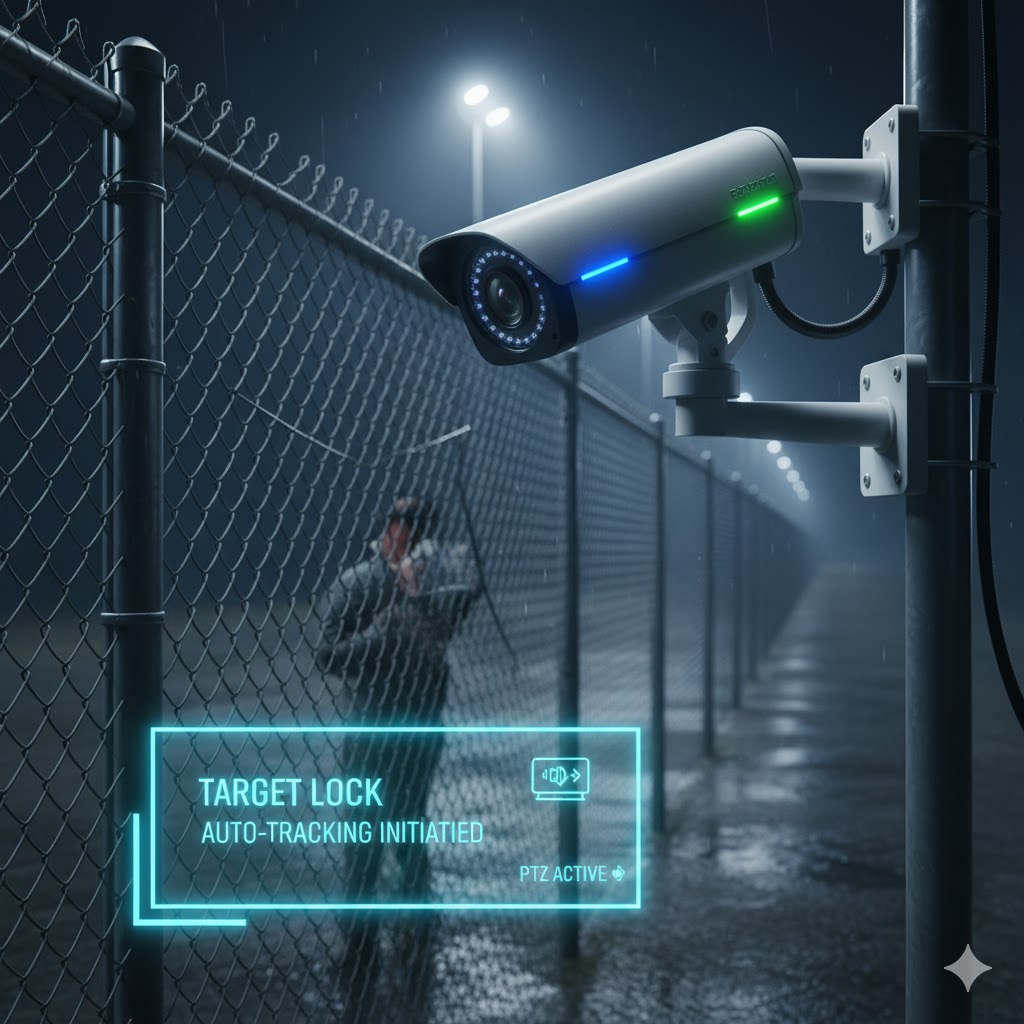
Reporting results to management without noise
Show each metric as a trend over time with a short comment on what changed and what will be done. Explain results in business terms, such as how long a key system could be unavailable. Be honest about weak results, since they point to where to improve. The article what is a cyber security network is a useful companion for the monitoring layers behind these numbers.
Measuring security with Suraj Informatics
Suraj Informatics provides cybersecurity and network monitoring services that include monitoring and reporting you can use to track progress. Tell us what you want to measure and we will help you set it up.
Cybersecurity metrics: common questions
How many metrics should we track?
A handful is enough. Pick measures that link to a decision, and drop any that nobody uses.
What is the most useful single metric?
Time to detect is a good start, because problems found sooner usually cost less to fix.
Do metrics need special software?
Not at first. Monitoring, patching and ticketing tools already hold most of the data, and a spreadsheet can show the trend.
How often should we report them?
Monthly for operations and quarterly for senior management is a common pattern.
Talk to our cybersecurity team
Tell us how you monitor security today and what you report to management, and we will suggest practical measures.





