


Maritime logistics moves cargo from ship to shore and on to inland destinations, and the port is where those links meet. When port data is late or wrong, the delay passes to the rail yard, the trucker and the customer. Port automation tackles this by recording each step as it happens.
Key takeaways
- Delays at the port spread to every later stage of maritime logistics.
- One shared record links the ship, the gate and inland transport.
- RFID and GPS give cargo visibility between stages.
- Port data helps plan berths, equipment and labour.
Where maritime logistics loses time at the port
Time is lost where information changes hands: a container discharged but not yet recorded, a truck waiting for paperwork, a gate that needs manual checks. Each gap is small, but across a day they add up. Automation aims at these hand-offs, not only at moving cargo faster.
Linking ship, gate and inland transport in one record
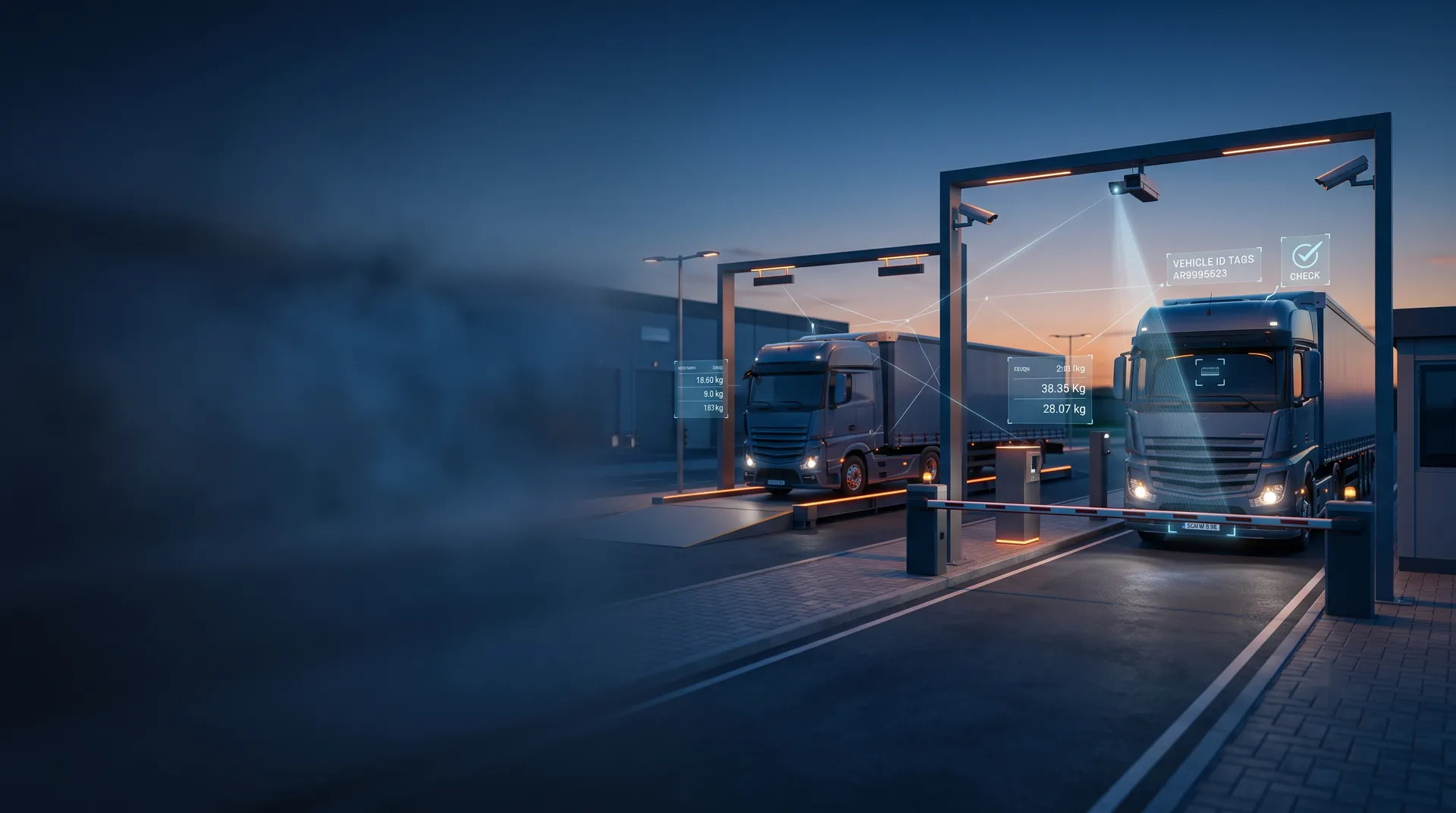
When cranes, gates and yards feed the same system, a container has one record from vessel to departure. Crane OCR reads the container at the quay. Gate OCR reads the truck and container on exit or entry. The port system matches the data and shows what is where. Our article on the port automation system for gate, yard and quay explains the workflow.
Cargo visibility with RFID and GPS
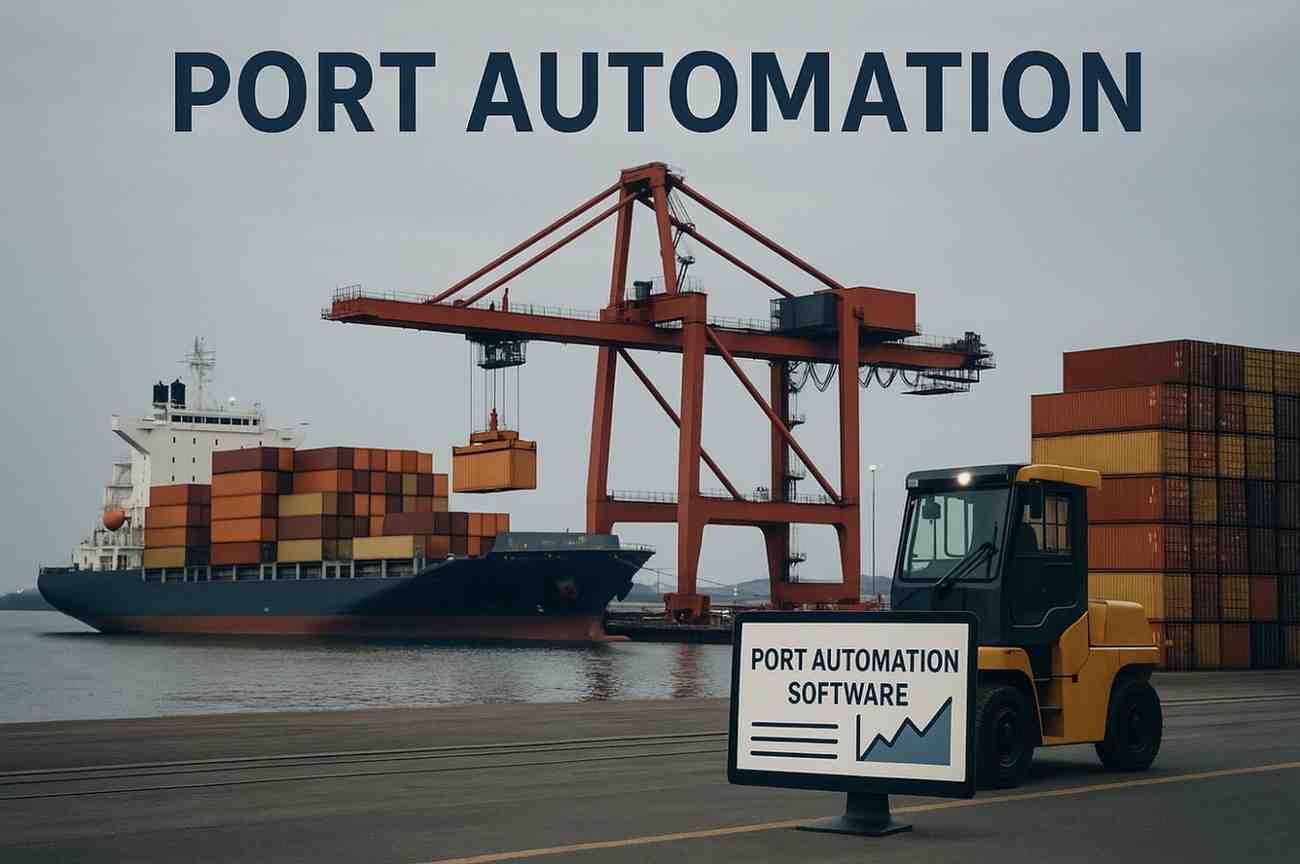
RFID tags and readers identify vehicles and equipment at fixed points such as gates. GPS shows where mobile assets are between those points. Together they give operators and customers a clearer view of cargo from origin to destination, so they can plan hand-offs and warn others of delays.
Security and compliance across the cargo chain
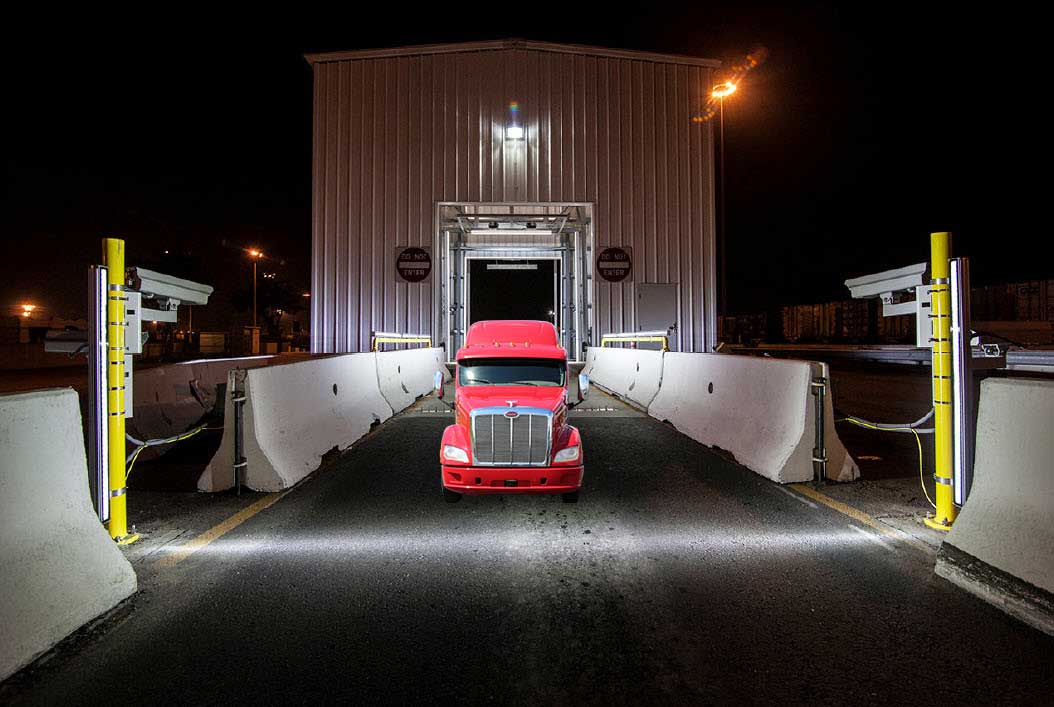
Ports are controlled areas. Access control, video surveillance and perimeter monitoring protect people and cargo, and keep records that support compliance with port and international rules. See port surveillance with intelligent video for how cameras and analytics are used.
Using port data to plan berths and equipment
Records of vessel schedules, cargo volumes and equipment use show where capacity is idle and where it is stretched. Planners can adjust berth, equipment and shift plans before problems build. The benefits of port automation include better planning from real-time data.
Maritime logistics planning with Suraj Informatics
Suraj Informatics provides port automation that connects the gate, yard and quay and grows as volumes grow. Tell us about your port and we will suggest where to start.
Maritime logistics and port automation: questions
What is maritime logistics?
The movement and handling of cargo by sea, including port operations and the links to inland transport.
How does port automation help maritime logistics?
It records each step as it happens, so delays and errors are found early.
Can a port automate in stages?
Yes. Many start with the gate or cargo visibility and add more areas later.
Does automation need new equipment?
Often it adds cameras, readers and software to the equipment already in use.
Talk to our port automation team
Share your port layout and cargo mix, and we will suggest the right automation steps.