



Number plate recognition lets a camera read a vehicle’s registration plate and hand the number to your gate software within a second. For plant, port and logistics managers, that means no more guard notebooks, fewer typing errors and one trusted timestamp for every truck. This guide explains how it works, where it pays off and what to test before you buy.
How a Plate Is Read at a Truck Gate, Step by Step
A single read has four steps, and each one can fail on its own.
- Detect: a loop sensor or video analytics notices a vehicle entering the lane.
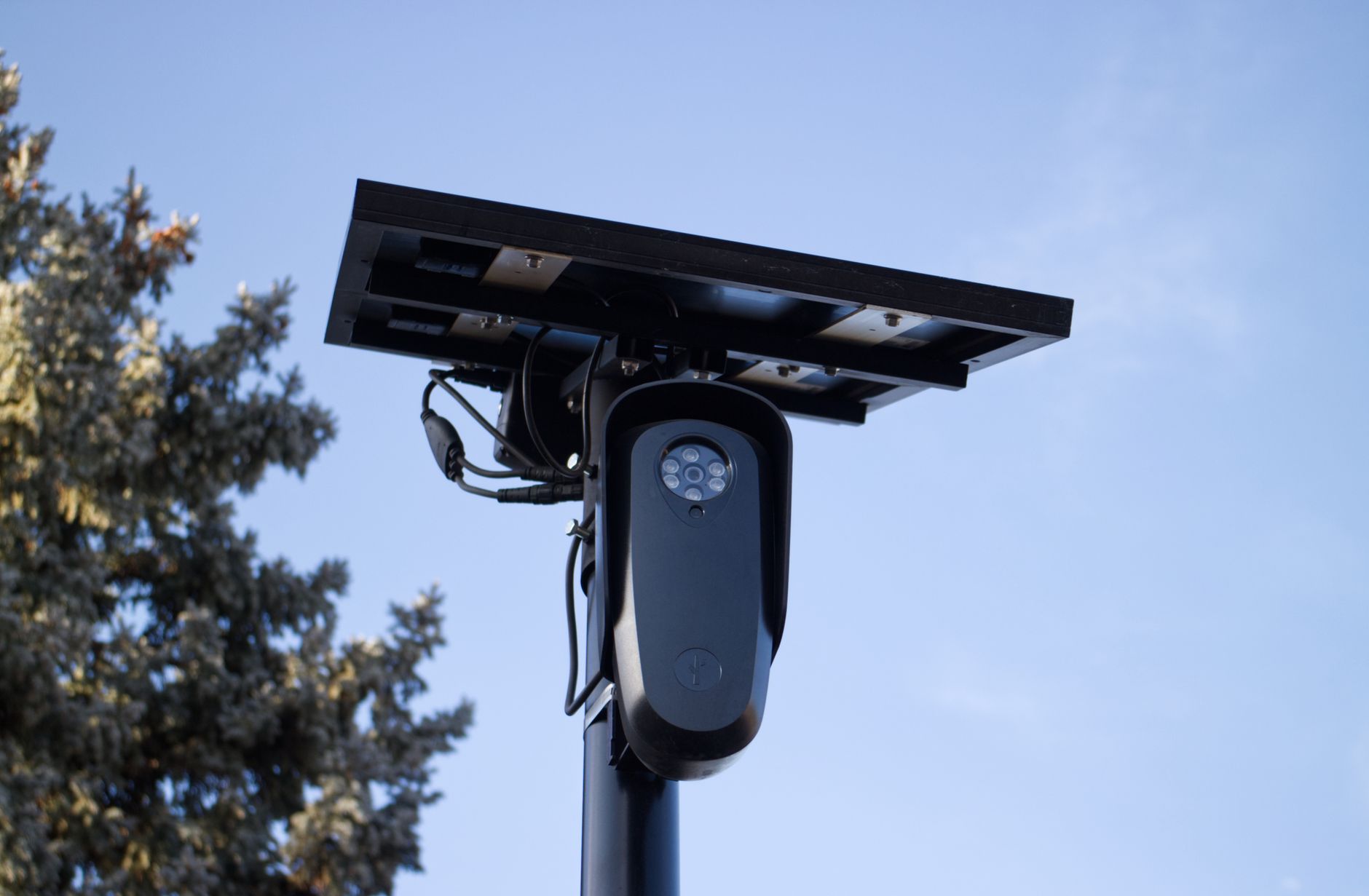
- Capture: a camera with a fast shutter and infrared lighting records the plate, in daylight or at night.
- Read: software finds the plate, separates the characters and turns them into text.
- Decide: the number is checked against a booked trip, an approved-vehicle list or a blocklist, and the barrier opens or the guard gets an alert.
The first three steps are camera and software. The fourth is where most of the business value sits, because a plate number does nothing until it is matched to a trip, a gate pass or a weighbridge slip.
Where Plants and Ports Use Number Plate Recognition
Plant and factory gates
Steel, cement, chemical and FMCG plants receive hundreds of trucks a day. Plate reading stamps the exact entry and exit time, so you can see how long each truck spent inside. It also stops the same vehicle being logged twice under slightly different spellings.
Ports, ICDs and warehouses
At terminals and depots, a plate read can check a truck against its appointment before it reaches the gate, so the lane is ready and the driver is not waved through blindly. Warehouses use the same read to decide which dock a truck should go to.
Sites in India and the Gulf
Plate formats differ between Indian states and across Gulf countries, and some plates carry Arabic as well as Latin characters. Whatever a vendor promises, ask for a live demonstration on the plates you actually see at your gate.
What Decides Plate Read Accuracy on Real Roads
Accuracy figures in a brochure usually come from clean test images. Your gate has mud, glare and trucks that do not stop. These factors matter most:
- Plate condition: bent, faded, dirty or non-standard plates are the main cause of misreads.
- Lighting: headlights, low sun and night shifts need infrared illumination and a camera that copes with glare.
- Speed and angle: the camera should see the plate nearly head-on, with a shutter fast enough for a moving truck.
- Camera position: a lane that is too wide, or a camera mounted too high, shrinks the plate in the frame.
- Plate formats: the software must be trained on the plate styles you really receive, including two-line plates.
A good system also reports a confidence score for each read. Low-confidence reads should go to a guard for a quick check instead of being accepted silently.
Plate Reading Alone vs Plate Reading Plus Gate Workflow
Many buyers start by comparing cameras. The better comparison is what happens after the read.
| Question | Plate reader only | Plate reader with gate workflow |
|---|---|---|
| Truck identified | Yes | Yes |
| Matched to a trip or gate pass | Manual lookup | Automatic |
| Weighbridge and queue linked | No | Yes |
| Exceptions handled | Guard decides, no record | Rules and logged overrides |
Suraj Informatics builds its ANPR number plate recognition system to feed straight into gate operations. It connects to the GATIVRA platform, which ties each plate read to the gate pass, the weighbridge slip and the truck’s place in the queue.
Checks to Run in a Site Trial Before You Commit
A trial of two to four weeks on one lane tells you more than any demo. Use it to check:
- The read rate on your own trucks, including dirty plates, rain and night shifts.
- What happens on a failed read, and whether the manual override is logged with the guard’s name.
- Whether the plate data reaches your weighbridge, ERP or gate pass system without re-typing.
- How long images and records are stored, and who can export them.
- How the system behaves when the network or a camera goes down.
Record the results lane by lane and compare them with your current manual process, not with a perfect score.
Number Plate Recognition FAQs
Is number plate recognition the same as ANPR?
Yes. ANPR stands for automatic number plate recognition and describes the same camera-plus-software read. Some vendors call it licence plate recognition.
Does it work at night and in rain?
It can, if the camera uses infrared lighting and is placed correctly. Test it on your own lane in bad weather before you sign.
What happens when a plate cannot be read?
A well-designed system flags the vehicle and asks the guard to confirm the number. The override should be saved with a time and an image, so there is an audit trail.
Can it replace the guard at the gate?
It reduces manual entry, but most sites keep a guard for exceptions, safety and visitor checks. The aim is fewer routine tasks, not an empty gate.