

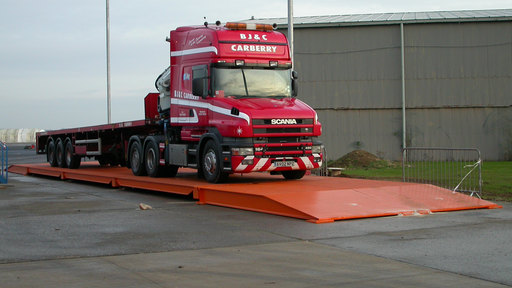

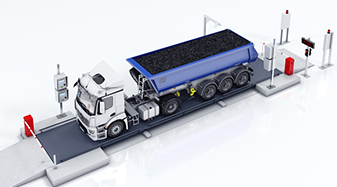
A truck weighbridge scale is used to find out how heavy a loaded truck is. Two measures are common: the weight on each axle and the gross weight of the whole vehicle. Both matter for road safety and for compliance with the rules that apply in your area. This guide explains how each is measured and how automation helps.
Key takeaways
- A truck weighbridge scale measures gross weight, and some systems also measure weight per axle.
- Axle weight and gross weight are checked against the limits that apply to the road and vehicle.
- Overload control protects roads, bridges and safety, and avoids penalties.
- An automated lane records every weight, vehicle and time without relying on manual entry.
Gross weight and axle weight
Gross weight is the total weight of the truck and its load. Axle weight is the part carried by each axle or group of axles. A truck can be within its total limit and still overload one axle if the load is badly placed, so some checks look at both.
How truck scales work
A weighbridge platform rests on load cells that turn force into an electrical signal. The indicator adds the signals and shows the weight. Some systems weigh the whole truck at once and others weigh axles one by one. Read how a weighbridge system works, types and uses for the types.
| Measure | What it is | Why it is used |
|---|---|---|
| Gross weight | Weight of truck and load together | Billing, stock and total limit checks |
| Axle weight | Weight on each axle or group | Protects roads and bridges |
| Tare weight | Weight of the empty truck | Used to find the net load |
| Net weight | Gross minus tare | The weight of the goods |
Overload control and compliance
Local rules set limits for the vehicle and for each axle, and these vary by country and road class, so check the rules that apply to you rather than relying on a general figure. A weighbridge helps loading points stop overloaded trucks before they leave. It also gives a record if a vehicle is questioned on the road.
What an automated lane adds
An unmanned lane identifies the vehicle, checks the position, stores the weight and prints the ticket without manual entry. It can flag a vehicle that exceeds a set limit and send the weight to the ERP. See unmanned weighbridge components and weighbridge automation ROI for details.

Truck weighbridge systems from Suraj Informatics
Suraj Informatics supplies and automates truck weighbridge systems for plants, mines, ports and depots, with identification, cameras and ERP links.
Calibration note: automation does not replace legal metrology. The weighbridge, load cells and indicator must still be calibrated, stamped and verified at the intervals required by the Legal Metrology authorities, and after any repair or relocation.
Truck weighbridge scale: common questions
What is the difference between gross and axle weight?
Gross weight is the whole truck and load. Axle weight is the share carried by each axle.
Why check axle weight?
A badly loaded truck can overload one axle even when its total weight is within limits.
What are the legal weight limits?
They differ by country, vehicle type and road. Check the rules that apply to your route.
Does the scale need calibration?
Yes. It must be calibrated and verified at the intervals required by the authorities.
Talk to our weighbridge team
Tell us about your weighbridge and vehicle types, and we will suggest the right sensors and guidance devices.