



Reducing the chance of collision in ports starts with an honest look at where heavy vehicles and people share space. A driver carrying a large load may not see someone close by. RFID warning zones add a second line of defence: when a tagged person enters the zone around a vehicle, the driver is alerted. This guide explains how it works and where it fits with other safety measures.
Key takeaways
- Vehicles with large loads have blind spots that mirrors do not fully remove.
- An RFID zone around a vehicle warns the driver when a tagged person comes close.
- Antennas, a cab control box and personnel tags are the main parts.
- The system supports safe procedures; it does not replace them.
Why pedestrians are at risk around heavy vehicles
Reach stackers, forklifts and terminal tugs often work in tight, busy areas. A driver may have limited vision when carrying a load or turning near blind corners, and a person walking near the vehicle may not realise they have left the driver’s view. Collisions of this kind can cause serious injury, so ports look for ways to warn both sides early.
How an RFID danger zone works
An antenna on the vehicle creates a detection zone around it. People wear small tags, and when a tag enters the zone the system reacts. The driver sees and hears a warning in the cab, and some set-ups can alert the wearer as well. Zone size is set during design to suit the vehicle, speed and area.

The parts of a warning system
| Part | Job |
|---|---|
| Vehicle antenna | Creates the detection zone around the vehicle |
| Cab control box | Gives the driver a visual and audible warning |
| Personnel tag | Worn by staff so vehicles can detect them |
| Fixed readers | Cover crossings and walkways |
Fitting vehicles and crossings
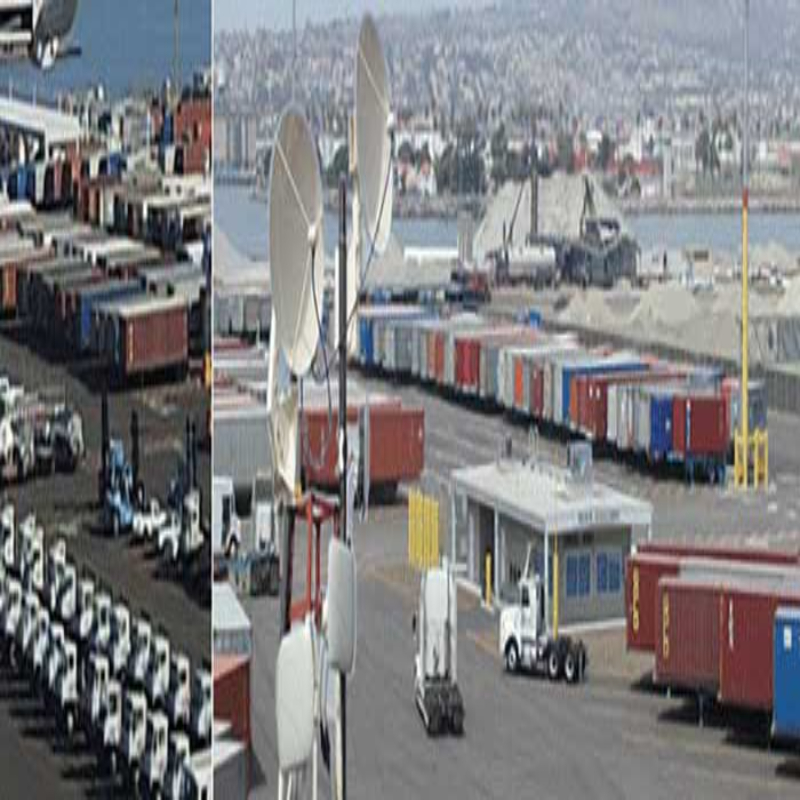
The kit can be fitted to forklifts, cargo handlers and terminal tugs, either permanently or for temporary use. At crossings and walkways, fixed readers can warn approaching vehicles, and the same tags can work alongside RFID vehicle identification and gate access control.
What must stay in place
A warning is not a barrier. Keep walkways separate from vehicle routes where you can, set speed limits, train staff and enforce the use of tags. Test the system regularly, since a tag that is left behind or a flat battery means no warning. Treat the system as a layer within your safety plan.
Planning collision warning for your port with Suraj Informatics
Suraj Informatics provides RFID and real-time location solutions, including vehicle-to-person warning zones for ports and terminals. Contact us to review your high-risk areas.
Collision warning in ports: common questions
Does an RFID zone stop a vehicle?
No. It warns the driver and the person. Stopping and speed rules remain part of your procedures.
Who has to wear a tag?
Everyone who may be near the vehicles, including visitors and contractors, according to your site rules.
Can it work with access control?
Yes. At crossings it can warn vehicles and also support controlled entry to restricted areas.
What do you check regularly?
Tag batteries, antenna coverage and the cab warning, with test walks at set intervals.
Talk to our RFID safety team
Tell us about your vehicles, crossings and walkways, and we will suggest a warning zone layout.