


Trucks waiting at the gate, trailers parked in the wrong place and docks standing idle all cost money. A yard management system (YMS) attacks these costs by scheduling arrivals, tracking every trailer and keeping docks busy. This guide looks at where yard costs come from and how a YMS reduces demurrage, detention, labour and other yard expenses.
Key takeaways
- Most yard costs come from waiting: trucks queuing, trailers sitting idle and docks waiting for loads.
- A YMS cuts demurrage and detention charges by speeding up turnaround.
- Labour costs fall because staff spend less time searching, calling and checking by hand.
- Better data shows where money is being lost, so managers can fix the cause.
The hidden costs of a poorly managed yard
The yard links transport and the warehouse, and it is often overlooked. Many late deliveries are not caused by traffic or routing but by slow loading and yard processes. Every hour a truck waits or a trailer cannot be found adds cost, and these costs are rarely tracked clearly.
| Cost | What causes it |
|---|---|
| Demurrage | Containers or trailers held longer than the free time allowed |
| Detention | Carrier trucks and drivers kept waiting at the site |
| Labour | Staff searching for trailers, making calls and checking paperwork |
| Idle docks | Docks waiting because the next truck is not ready or not found |
| Losses and errors | Misplaced trailers, wrong loads and disputes over timings |
How a yard management system reduces costs
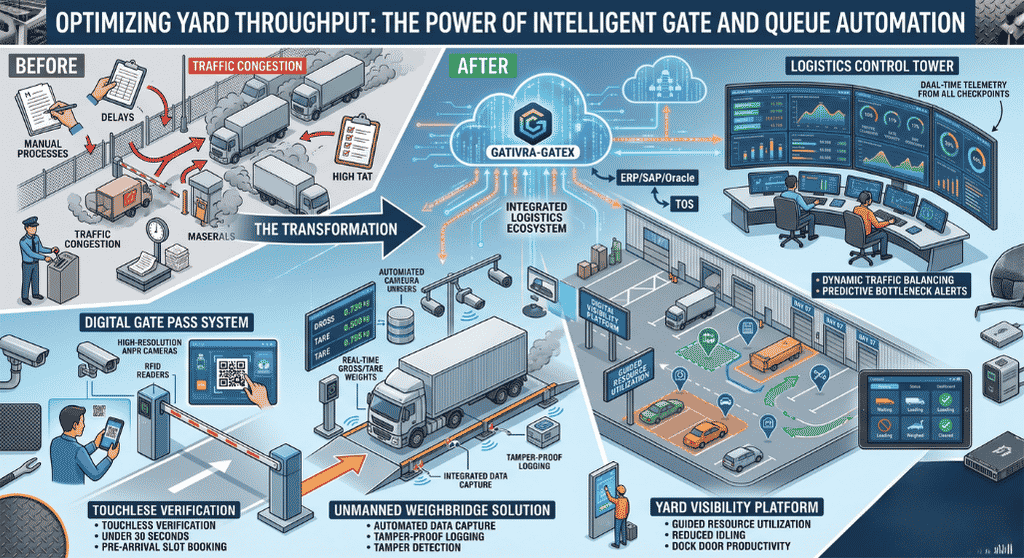
- Appointment scheduling. Carriers book arrival slots, so trucks are spread out and queues shrink.
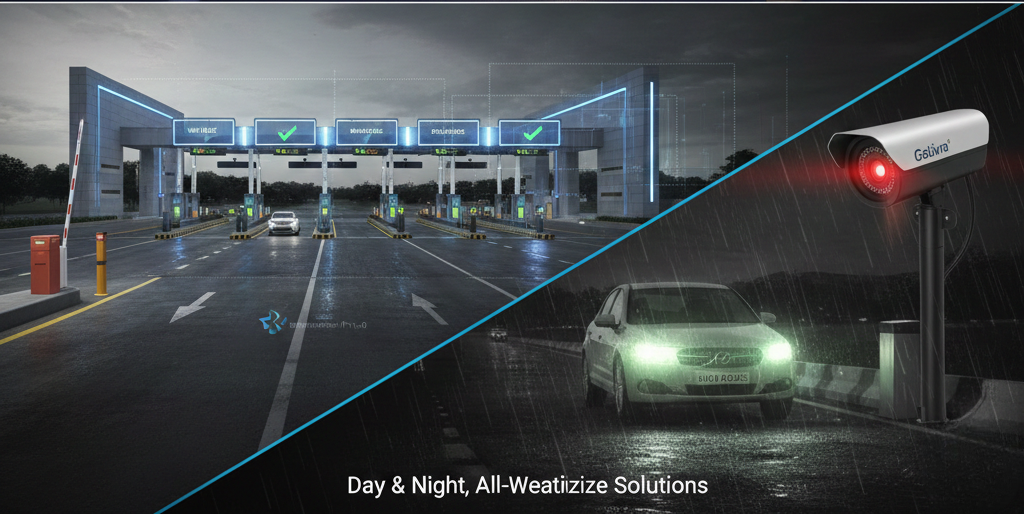
- Automated gate-in and gate-out. Trucks are identified and recorded at the gate without paperwork.
- Real-time trailer tracking. Staff see where each trailer is, so no time is lost searching.
- Smart dock assignment. Trailers move to the right dock as soon as it is free.
- Alerts and reports. Managers see waiting times and free-time limits before charges build up.
Cutting demurrage and detention charges
Demurrage and detention charges build up when trucks and containers stay on site longer than agreed. A YMS reduces them by scheduling appointments, keeping carrier operations moving and showing which loads are close to their free-time limit, so they can be prioritised.
Lower labour and admin costs
- Fewer phone calls between gate, yard and warehouse to find trucks and trailers.
- No manual searching for trailers, thanks to real-time location.
- Less paperwork at the gate and docks.
- Better use of yard staff and shunter drivers, with clear tasks for each move.
For the wider picture of what a YMS does, read the role of a yard management system in business.
Cutting yard costs with a Suraj Informatics YMS
Suraj Informatics delivers a yard management system for plants, warehouses, ports and logistics hubs in India, combining gate automation, RFID and number-plate recognition, dock scheduling and weighbridges on the GATIVRA platform.
Yard management system costs: common questions
How does a yard management system save money?
It cuts waiting time for trucks and trailers, which reduces demurrage, detention and labour costs, and keeps docks busy.
What is the difference between demurrage and detention?
Demurrage usually applies when a container stays at a terminal beyond its free time. Detention usually applies when equipment or a carrier’s truck is kept too long outside the terminal. Exact terms depend on the contract.
How quickly can a YMS show savings?
Savings depend on volumes and current delays. Sites with long queues and frequent waiting charges usually see the clearest gains.
Does a YMS need RFID?
No, but RFID or number-plate recognition makes gate entry and trailer tracking faster and more accurate.
Talk to our yard automation team
Tell us about your truck volumes and current waiting times, and we will show where a YMS can cut costs.