




Most incidents do not wait for daylight, yet many cameras are planned only for a bright afternoon. Night video surveillance works when the light, the lens and the camera settings are chosen together for the scene you must watch. This guide explains how to plan for low light, glare and the hours between dusk and dawn.
Key takeaways
- Plan night video surveillance for the darkest and the brightest moments of each scene.
- Visible lighting, infrared and low-light sensors each suit different jobs.
- Glare from headlights and lamps can hide a scene as badly as darkness.
- Test every camera at night before you rely on it.
Why darkness is harder than it looks
A camera that gives a clear picture at noon may show only noise and blur at night. The sensor receives less light, so the camera lengthens exposure or raises gain, and moving people turn into smears. Analytics also struggle, because an object that is hard for a person to see is just as hard for software.
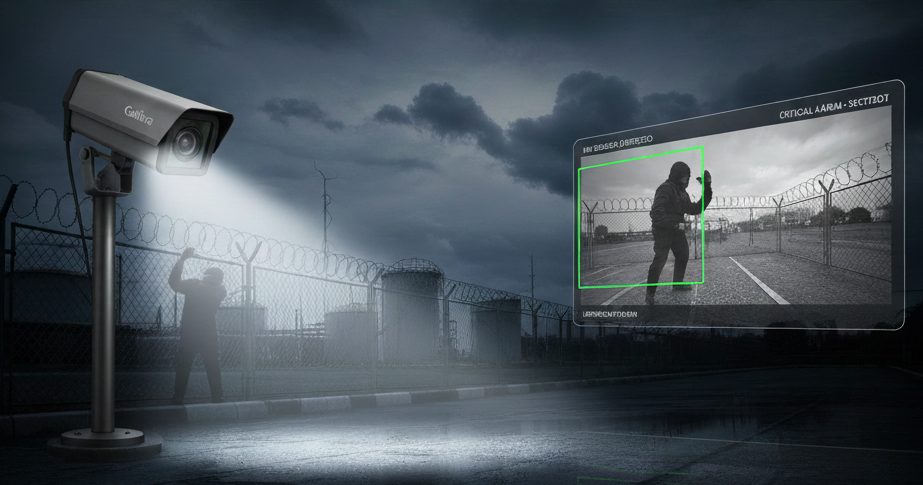
Start by listing which areas matter after dark, such as gates, loading areas, fences and parking, and how much light each already has.
Choosing light: white light, infrared or low-light sensors
There are three common ways to give a camera something to see.
- Visible lighting. Keeps colour and is a visible deterrent, but needs power and careful aiming.
- Infrared illumination. Gives a black and white picture without visible light, useful where lamps are not wanted.
- Low-light sensors. Cameras built to work with very little light, often combined with the other two.
Colour can matter when you need to describe a vehicle or clothing, so decide early whether a monochrome picture is enough for each camera.
Glare, haze and shadows at the edge of the picture
Headlights, floodlights and reflective surfaces can blind a camera that otherwise copes well. Wide dynamic range settings help, and so does aiming a camera away from direct lamps. Fog, rain and dust scatter light and shorten how far a camera can see, so cover the fence line with overlapping views rather than one distant camera.
Testing every camera after dark
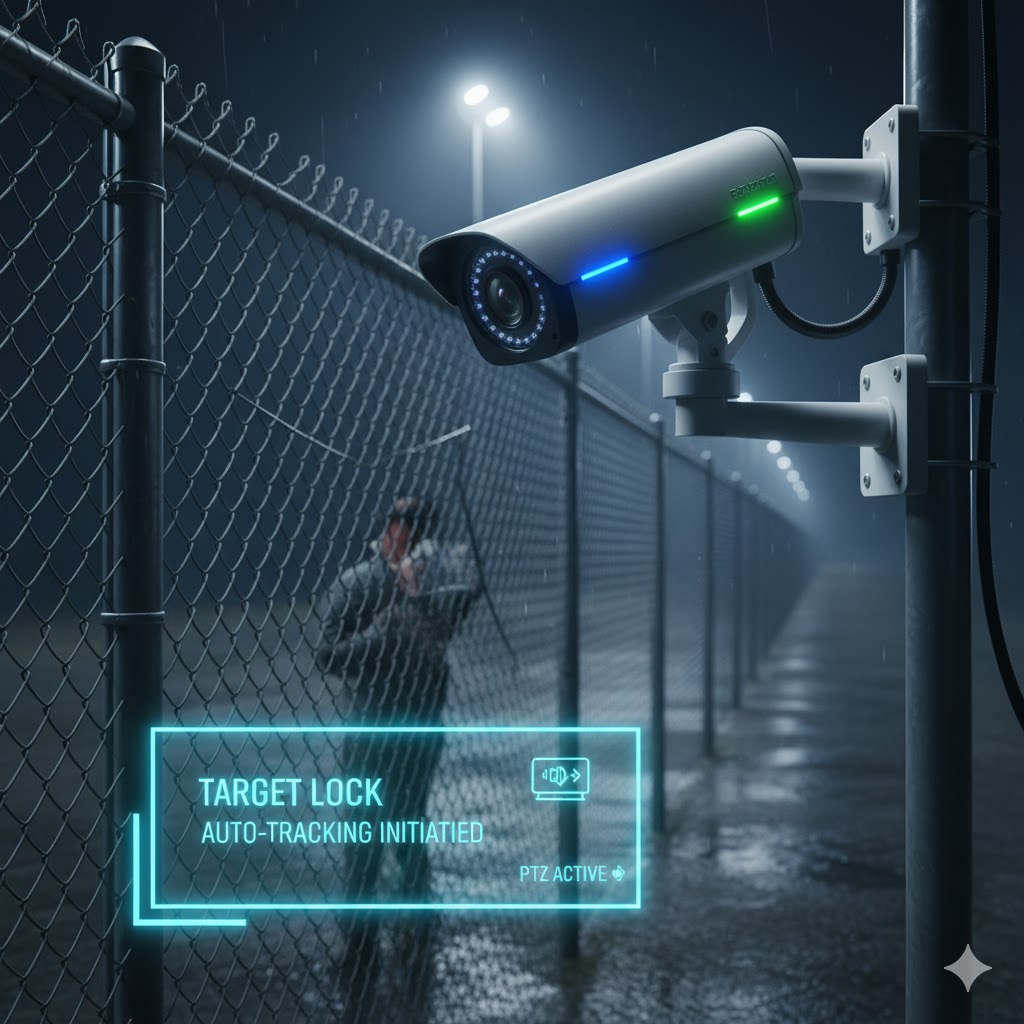
Check each view at night, not at the handover in daylight. Walk the area, drive a vehicle through it and compare the footage with what a guard would need to see. Then adjust shutter, gain and lighting. Pair this with the alert rules in video surveillance alerts for loitering, intrusion and breach so that night alarms are tuned for the same scenes. For a wider design view, see AI video analytics for plants and warehouses.
Planning night video surveillance with Suraj Informatics
Suraj Informatics provides intelligent video surveillance that includes a night review of each camera view, with advice on lighting, lens and settings for your site. Contact us to plan coverage that still works after dark.
Night video surveillance: common questions
Do I need infrared for night video surveillance?
Not always. If the area has good lighting, a low-light camera may be enough. Infrared helps where you want a dark site or cannot add lamps.
Why is my night footage blurry?
Long exposure and high gain at night blur moving subjects. More light on the scene or a faster shutter usually helps.
Can video analytics work at night?
It can, if the picture is clear enough. Test the analytics on real night footage before relying on its alerts.
Is colour footage possible at night?
Yes, with enough visible light or a camera built for it. Otherwise the picture falls back to monochrome.
Talk to our video surveillance team
Tell us about your site and the hours that worry you most, and we will suggest a night-ready camera plan.