

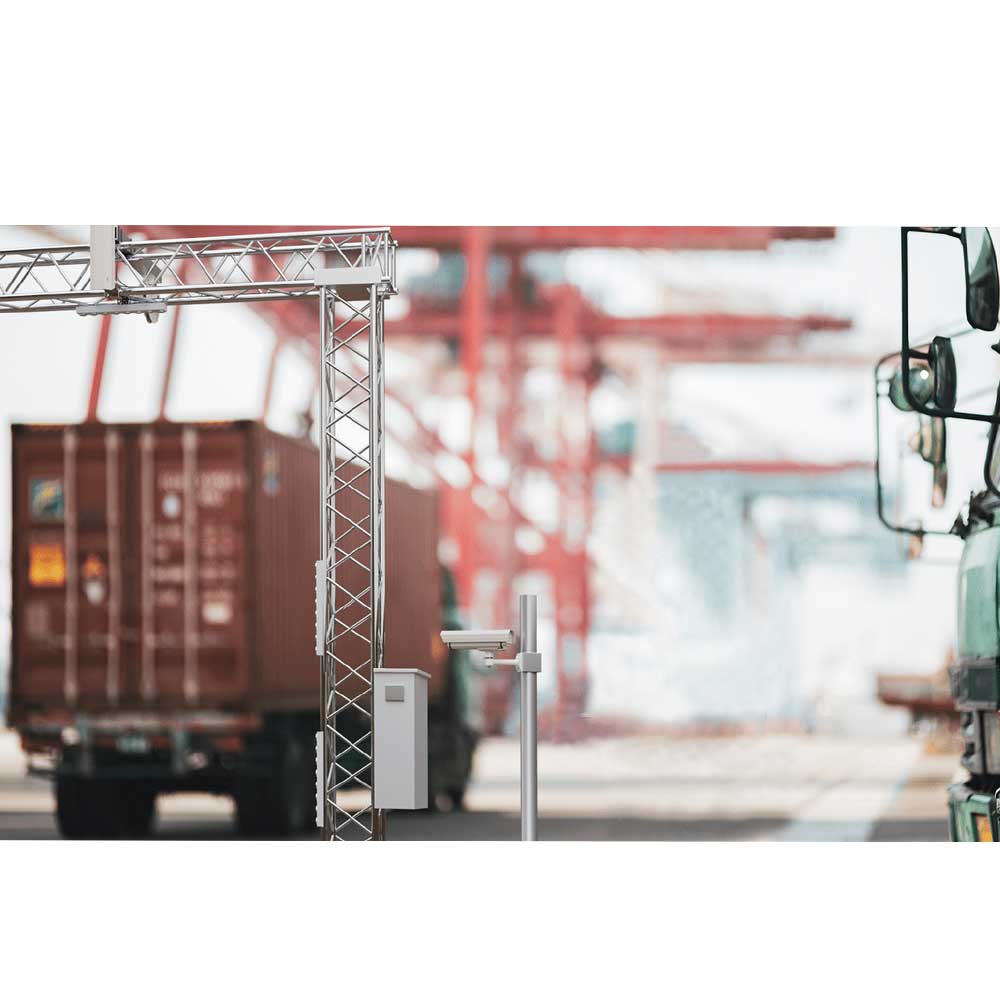

A factory gate sees raw-material trucks, finished-goods trucks, scrap carriers, staff vehicles and visitors, often within the same hour. Writing each one in a register is slow and error-prone. Gate OCR for plants reads the number plate at the lane, matches the truck to an order or pass and logs the entry, so the guard handles only exceptions.
Key takeaways
- Plants have mixed traffic that a port-style gate flow does not cover.
- The plate read identifies the truck, and the order or pass says why it is here.
- Each entry creates a record with images, time and lane.
- Returns, scrap and dispatch need their own rules.
- Unmatched trucks go to a guard, who decides what to do.
Why plant gates differ from port gates
A port gate mostly handles container trucks. A plant gate handles many kinds of vehicle for many reasons. A truck may bring coal, steel, packaging or spare parts, or it may arrive to collect finished goods. The same gate may also serve employee vehicles, visitors and contractors.
The gate system therefore needs to know the purpose of each visit, not only the plate. The purchase order, delivery challan or dispatch order supplies that purpose. For the camera and lane layout, see our guide to the gate OCR portal and lane hardware.
Matching an inbound truck to its order
The matching steps are simple, and the system does most of them.
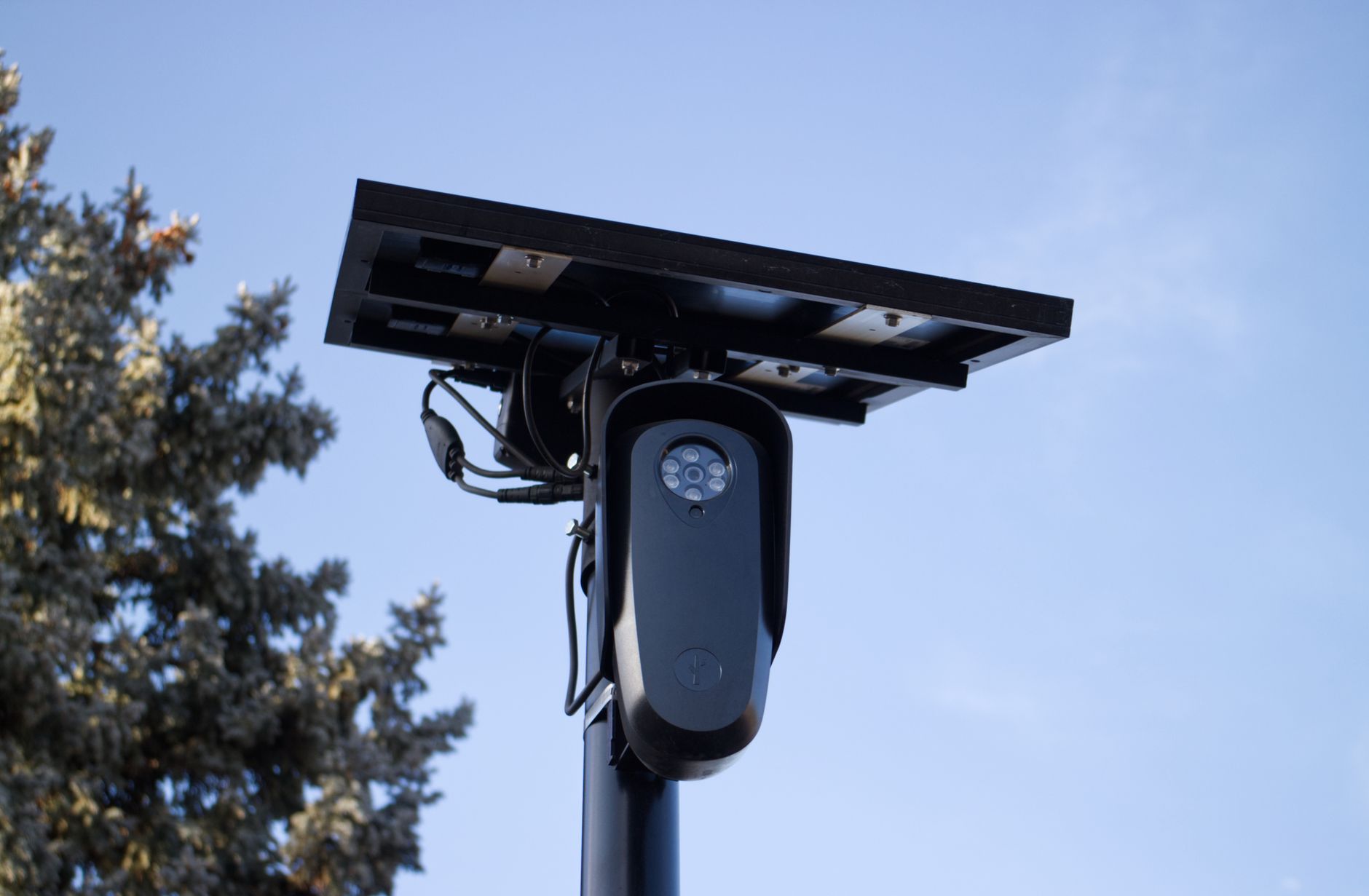
- The camera reads the plate as the truck stops at the lane.
- The system looks the plate up against expected deliveries or registered vehicles.
- If the truck matches an order, the entry is logged and the barrier lifts.
- If not, the guard sees the images and decides whether to admit, hold or turn the truck away.
- The record is passed to stores or security so the receiving team knows a truck is on its way.
What the gate captures for each entry
Each visit leaves a record that stores, security and accounts can all use.
| Item | Use |
|---|---|
| Plate image and number | Identifies the truck and driver vehicle |
| Date, time and lane | Proves when the truck arrived |
| Order or pass reference | Shows why the truck is on site |
| Operator decision | Records any manual override |
| Exit time | Shows how long the truck stayed |
Keep the images with the record. They settle questions about who entered and when, without a search through paper registers.
Returns, scrap and outbound dispatch
Not every visit is a simple delivery. Rejected goods come back, scrap trucks leave with material, and dispatch trucks collect finished goods. Give each flow its own rule: which document the guard expects, whether a second check is needed and who must approve the exit. The gate system can then prompt the guard with the right question for each truck type.
Planning plant gate OCR with Suraj Informatics
Suraj Informatics provides gate automation with OCR for manufacturing plants, warehouses and terminals. Tell us your truck types, documents and gate layout, and we will suggest a flow that fits. Our guide to how a gate OCR system works covers the basics.
Gate OCR for plants: common questions
Can gate OCR work with our order system?
Often yes, through a data link. The details depend on the system you use.
What if a truck has no order?
It goes to the guard, who sees the images and decides to admit, hold or refuse.
Does it cover employee vehicles?
Yes. Registered vehicles can be admitted on a plate match, with visitors handled separately.
Do we need to rebuild the gate?
Usually not. Cameras are mounted at the existing lane, after a site survey.
Talk to our gate automation team
Tell us about your plant gate and the trucks you receive, and we will suggest a setup.