
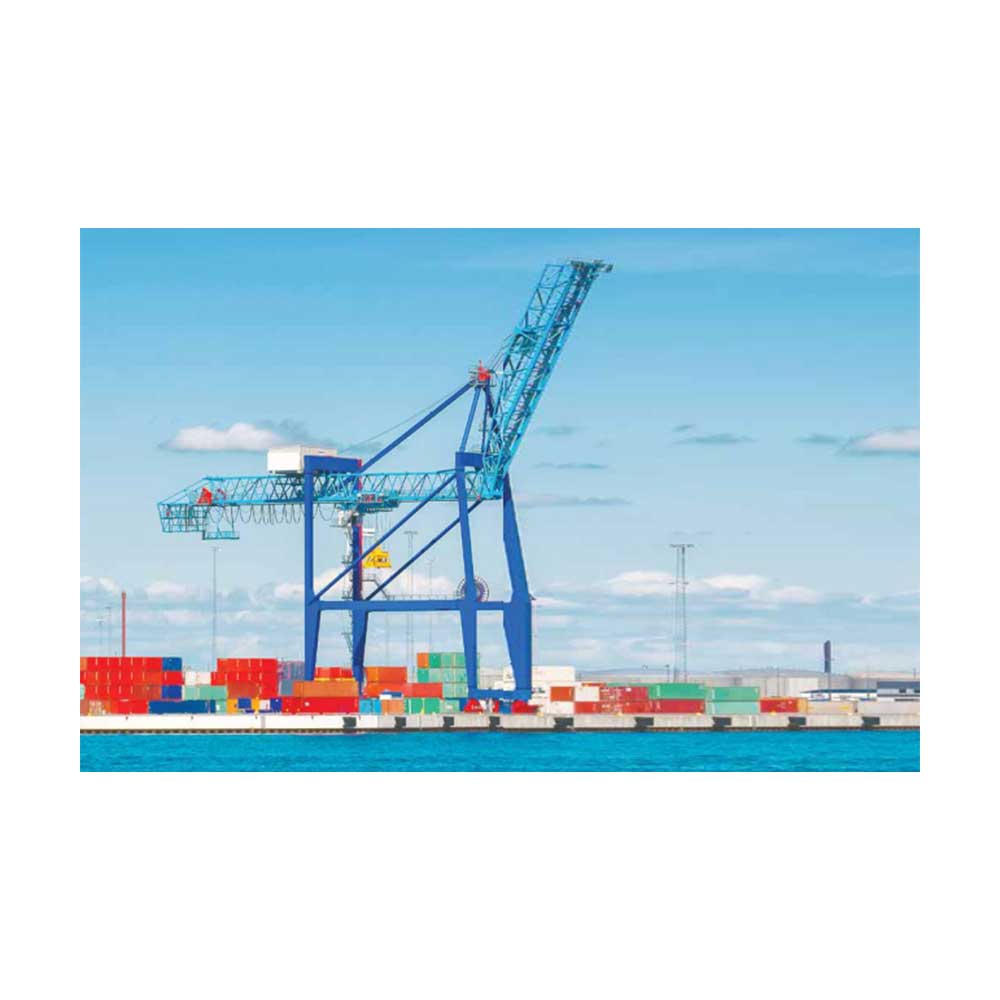

A crane OCR system is only as useful as its connection to the terminal operating system (TOS). If recognised data does not reach the TOS quickly and accurately, the yard and vessel plans fall out of step. This guide explains how crane OCR data flows into the TOS, how exceptions are handled and what a typical implementation looks like.
Key takeaways
- Crane OCR reads container numbers, ISO codes and other markings as containers are lifted.
- The data must be validated and sent to the TOS in near real time.
- Exceptions are handled by remote clerks using the captured images.
- A good implementation covers cameras, software, network, integration and training.
How crane OCR data flows to the TOS
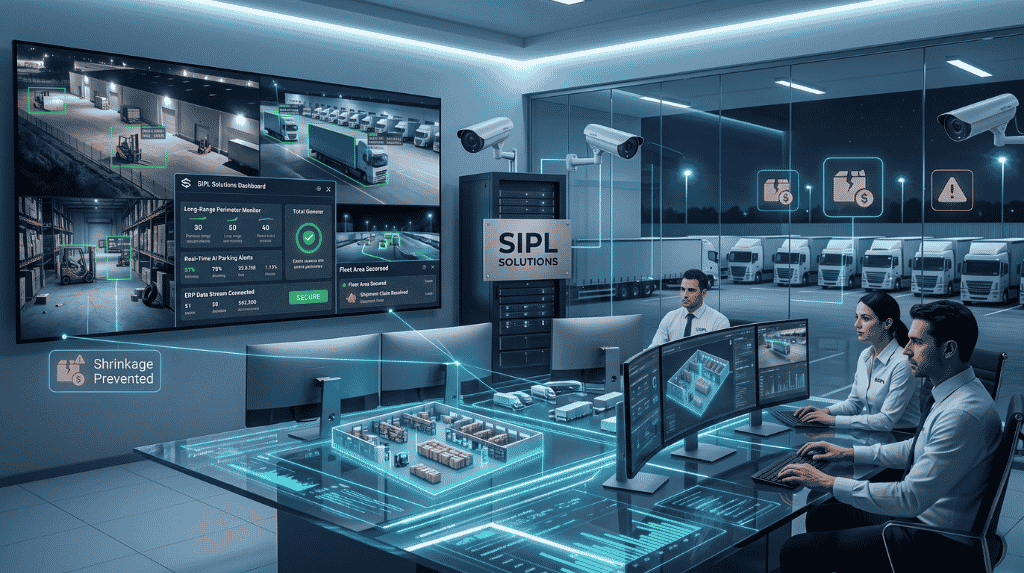
- Capture. Cameras on the crane photograph each container during the move.
- Recognise. OCR software reads the container number, ISO code and other markings.
- Validate. Results are checked against the job sent by the TOS.
- Exception handling. Uncertain reads go to a remote clerk with the images.
- Update the TOS. Confirmed data and images are posted to the TOS.
What integration with the TOS involves
| Item | Purpose |
|---|---|
| Job feed from the TOS | Tells the OCR system which container each move should be |
| Result messages | Send confirmed numbers, positions and times back to the TOS |
| Image links | Let users open the images from the TOS record |
| Exception workflow | Routes uncertain reads to clerks and records their decisions |
| Network | Reliable connections from cranes to servers |
A typical crane OCR implementation
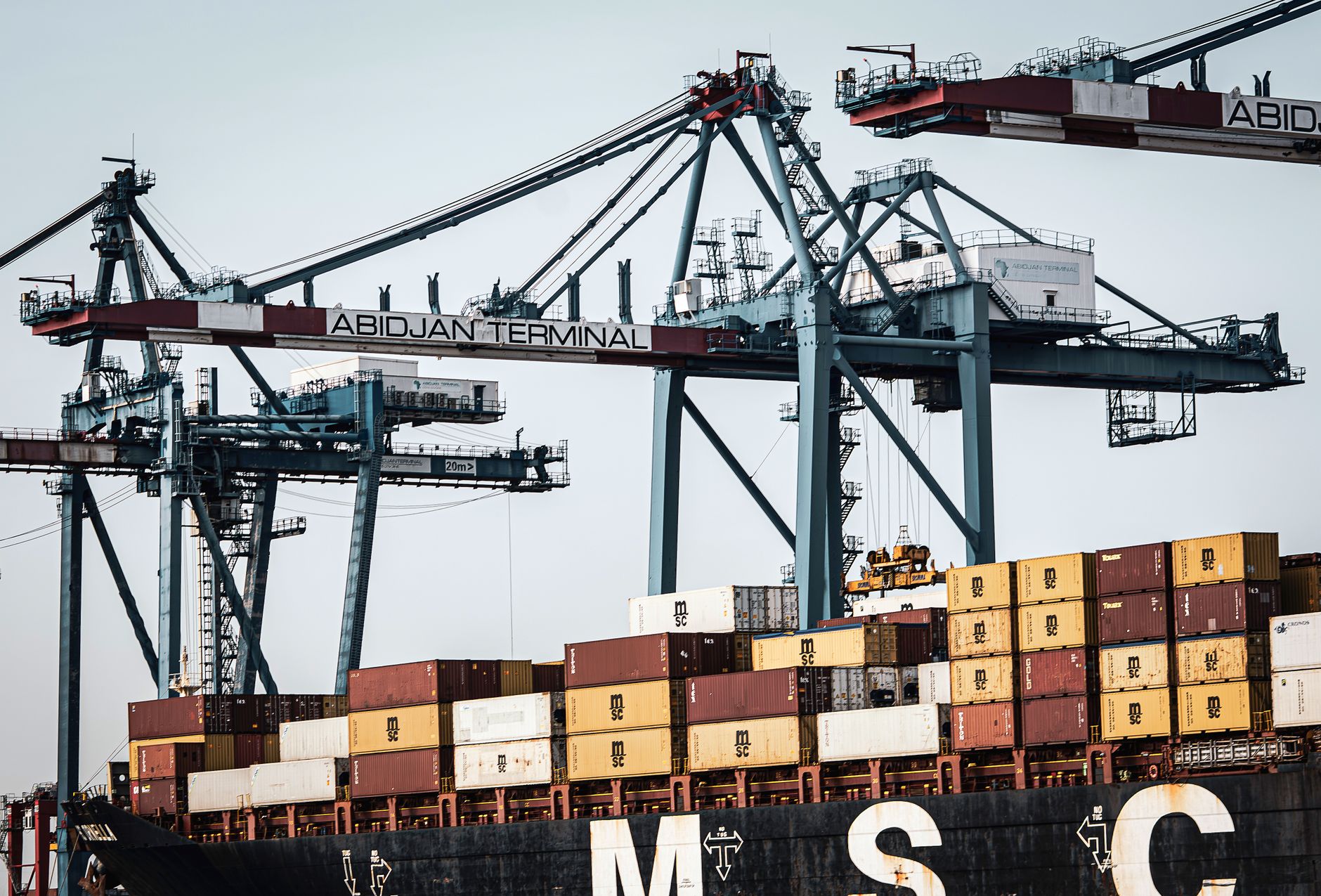
- Survey. Review crane types, mounting points, network and TOS.
- Install. Fit cameras and lighting on each crane and connect them.
- Integrate. Set up message exchange with the TOS.
- Test. Compare OCR results with known moves and tune the system.
- Train and support. Train clerks and operators, then provide ongoing support.
Benefits of tight TOS integration
- Real-time inventory in the TOS.
- Fewer manual corrections by planners and clerks.
- Faster exception handling with images on screen.
- Complete audit trail for every move.
For crane OCR features and benefits, read our crane OCR system guide; for yard cranes, see crane OCR for RTG and RMG cranes.
Crane OCR integration from Suraj Informatics
Suraj Informatics provides crane OCR service and integration for quay, RTG and RMG cranes, configured to each terminal’s cranes, network and TOS, with training and support.
Crane OCR integration: common questions
Why does crane OCR need TOS integration?
So recognised container data updates the terminal’s records automatically and in near real time.
What happens when OCR is unsure?
The images go to a remote clerk, who confirms the number before it is sent to the TOS.
Can crane OCR work with any TOS?
It can usually be integrated with common terminal operating systems through standard message interfaces.
Does installation stop crane operations?
Installation is normally planned crane by crane to keep disruption low.
Talk to our port automation team
Tell us about your cranes and TOS, and we will explain how crane OCR integration would work.