




Video surveillance camera placement decides whether footage is useful or only looks busy. A camera in the wrong spot misses faces, plates or the doorway that matters. This guide covers how to plan placement by risk, view, height and light, and how to confirm it on site.
Key takeaways
- Place cameras to cover specific risks, not to fill a camera count.
- Match field of view, mounting height and angle to the task: overview or identification.
- Plan for glare, shadow and night lighting before you finalise positions.
- Walk the site with a test view to confirm coverage before final installation.
Start with the risks, not the camera count
List what you need to see: entrances, cash points, stores, perimeter fence lines, loading bays. For each, decide whether the camera should give a wide overview or a close view that can identify a person or a vehicle plate. Those are different jobs and need different positions.
| Purpose | Typical placement |
|---|---|
| Overview of an area | High corner with a wide lens |
| Identify a person | Entrance, at face height, facing the approach |
| Read a plate | Narrow lane, angled along the direction of travel |
| Perimeter | Along the fence line with overlapping views |
Field of view, height and angle
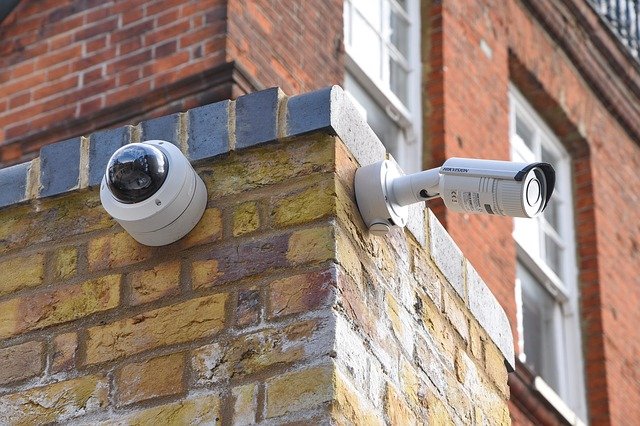
A camera mounted too high sees tops of heads and loses faces. Mounted too low, it is easy to reach and block. Choose a height that fits the task, keep the lens angled down only as far as needed, and leave overlap between neighbouring cameras so nobody can pass between views.
Lighting, glare and night scenes
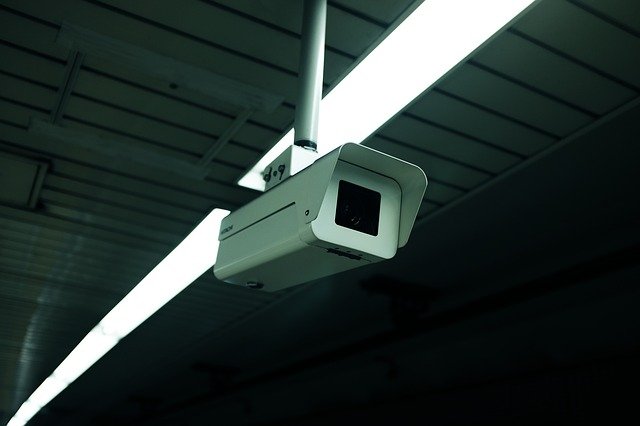
Check the scene at the hour it matters. Strong sun behind a doorway, reflections from glass, or a dark yard can ruin footage that looked fine at noon. Position cameras so light falls on the subject, not into the lens, and add lighting or infrared where the scene is dark. Our guide to a buyer’s guide to business security cameras explains the camera features that help in poor light.
Checking coverage with a site walk
Before final fixing, hold a temporary camera or a phone at each planned point and look at the view on a screen. Note blind spots, obstructions such as pillars or shelving, and where cabling and power can reach. Read how AI spots people and events if you plan to add analytics, since analytics also depend on camera angle and distance.
Planning camera placement with Suraj Informatics
Suraj Informatics surveys your premises and plans intelligent video surveillance with camera positions, lens choices and lighting matched to each risk. We design, install and support the system, and can add analytics where they help. Contact us to arrange a site survey.
Camera placement: common questions
How many cameras do I need?
It depends on the area, the risks and the detail you need. A site survey gives a count based on your layout, not a general rule.
What is the best mounting height?
It depends on the task. Identification cameras sit near face height, while overview cameras sit higher with a wide lens.
Do I need extra lighting?
Often at night or in shadow. Check the scene at the hours that matter and add light or infrared where needed.
Can I check placement before installing?
Yes. A temporary camera or test view at each point shows blind spots before the final fixing.
Talk to our video surveillance team
Tell us about your site and the risks you want covered, and we will plan the camera positions.