


A yard management system ROI case is only as good as the numbers behind it. Boards and finance teams want to see your own yard measured before and after, not general promises. This guide shows how to collect a baseline, turn it into a payback view and list the costs honestly.
Key takeaways
- Measure your current yard first: waiting time, search time, detention charges and paperwork effort.
- Use your own figures, not industry averages, in every line of the case.
- Include setup, training and support costs next to the expected savings.
- Review the case after go-live and compare it with the baseline.
Where a yard system saves time and money
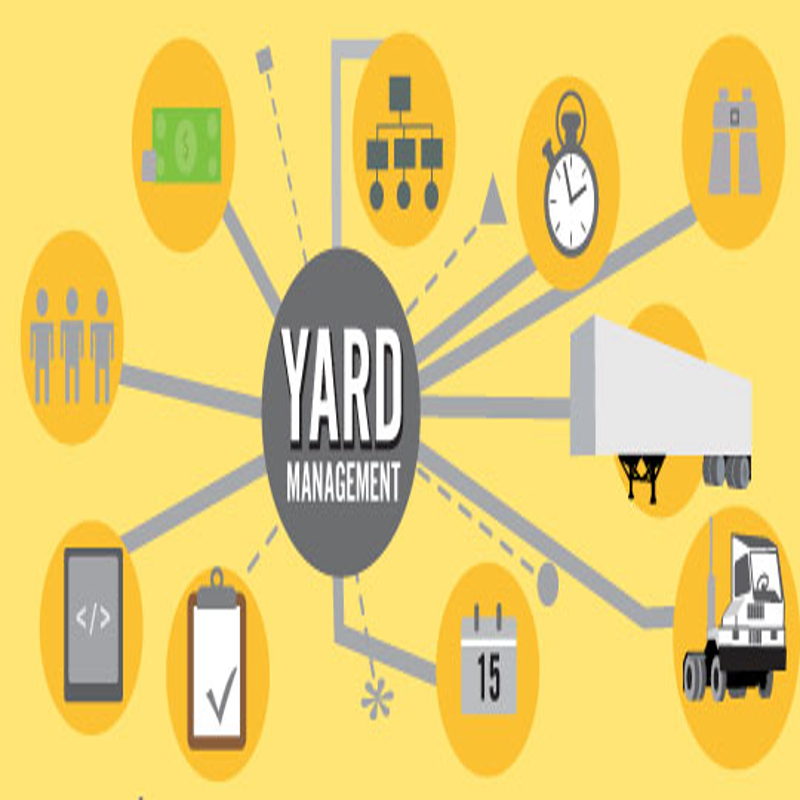
A yard system rarely saves money in one place. The gains are spread across waiting time, manual searching, paperwork, detention and demurrage charges, and dock use. Some are direct cash savings, others free up staff hours or reduce delays that are hard to price. Separate the two kinds in your case so that finance can see which numbers are firm.
A visible record of every vehicle and trailer also reduces disputes. When you can show when a vehicle entered, where it waited and when it left, charges can be checked against facts. Our guide to how a yard system cuts demurrage and detention costs covers this in more depth.
Collect a baseline before you buy
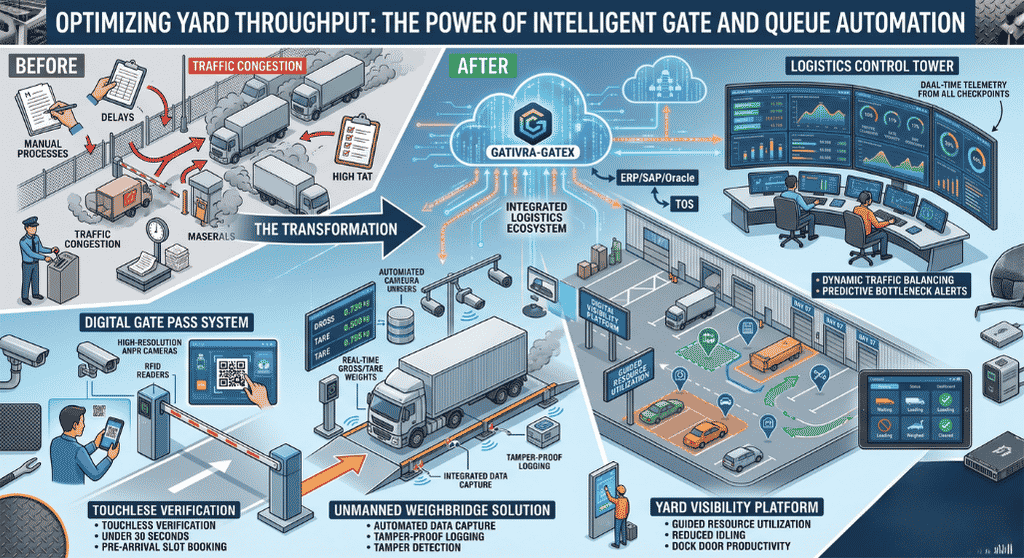
Without a baseline there is nothing to compare. Spend two to four weeks measuring the current yard. Use gate logs, security registers and a few shifts of direct observation.
| Measure | How to collect it |
|---|---|
| Gate-to-dock time | Time stamps from gate entry to dock arrival |
| Search time | Minutes staff spend locating a vehicle or trailer |
| Waiting charges | Detention and demurrage billed in recent months |
| Paperwork effort | Staff hours spent on entry, exit and dock records |
| Dock idle time | Gaps between one vehicle leaving and the next arriving |
Turn measurements into a simple payback view
For each measure, estimate the change you expect and convert it to a yearly value. Time saved becomes staff hours or extra throughput. Fewer waiting charges become a direct saving. Keep every assumption written down so that others can challenge it.
- Value each baseline measure in your own currency and units.
- Estimate a cautious improvement for each, ideally from a pilot lane or one dock.
- Add the yearly benefit lines to get a total.
- Compare the total with the full cost of the system over several years.
Use the lower end of every estimate. A modest case that holds up is worth more than an ambitious one that does not.
Costs and risks to include in the case
List software, readers or cameras, installation, integration with your ERP or WMS, training and yearly support. Add the staff time needed to change procedures, because a system that is not used well will not repay its cost. Our overview of yard management best practices shows the working habits that make a system pay off.
Planning a yard system business case with Suraj Informatics
Suraj Informatics provides a yard management system and can help you measure your baseline and size a pilot. Contact us to discuss the figures your own case needs.
Yard system ROI: common questions
How long does it take to see a return?
It depends on your volumes and how the system is used. Track the baseline measures monthly after go-live and compare.
Can ROI be measured without a pilot?
Yes, but a pilot on one gate or dock gives firmer numbers than estimates alone.
Which measure is easiest to value?
Waiting and detention charges, because they appear on invoices you already receive.
Who should own the business case?
Usually operations, with finance reviewing the assumptions.
Talk to our yard management team
Tell us how vehicles move through your yard today, and we will suggest a practical starting point.