



Smart city IoT is often described by its applications, but cities live or die by the infrastructure underneath: poles, power, ducts and networks. Planning these well lets one pole or one fibre route serve many uses. This guide looks at the city-infrastructure side of IoT, from shared assets to phased rollout.
Key takeaways
- Shared poles and ducts let several services use one investment.
- Roadside devices need reliable power and backup.
- Choose networks by corridor, ward and device type.
- Roll out in phases and prove each one before extending.
Shared poles and ducts: build once, use many times
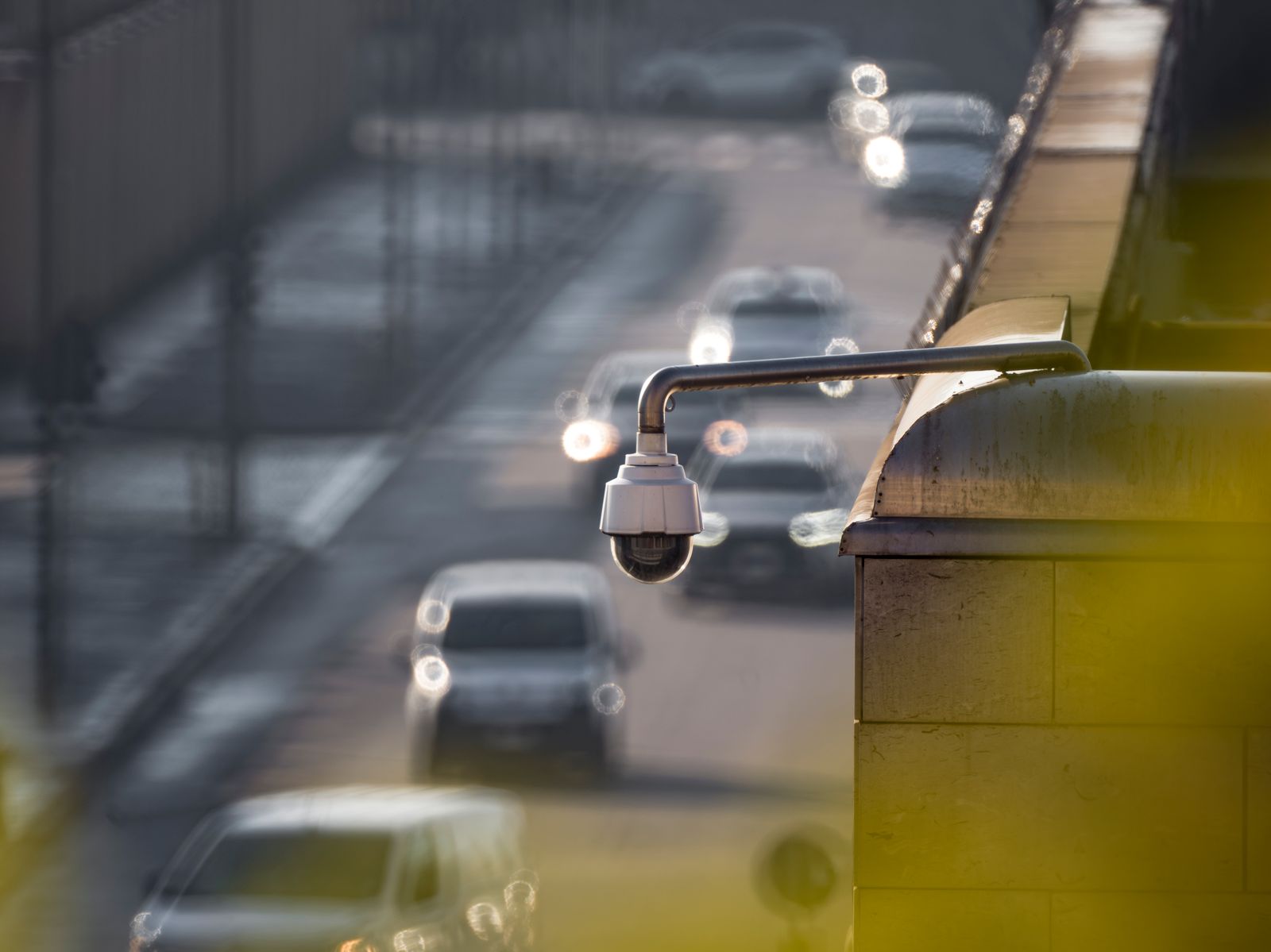
A single pole can carry a street light, a camera and an environmental sensor. A single duct can carry fibre for several services. Agree early which departments share each asset, who pays for power and who maintains it. This avoids digging the same road twice. A shared asset register, kept up to date, shows which pole carries what and who to call when something fails.
Power and backup for roadside devices
Roadside devices depend on street lighting circuits, dedicated feeders or solar. Lighting circuits are often switched off in the day, which can leave day-time sensors without power, so check the supply pattern. Provide backup for devices that support safety, and monitor each feeder so a fault is spotted quickly. Also check earthing and surge protection, since roadside equipment is exposed to lightning and voltage spikes.
Choosing networks by corridor and ward
| Need | Typical network choice |
|---|---|
| Cameras and traffic signals | Fibre or high-capacity wireless |
| Many small sensors | Low-power wide area networks |
| Mobile crews and vehicles | Cellular networks |
| Control rooms | Fibre with a redundant path |
Our note on IoT protocols helps match networks to devices.
Phasing a rollout across a city
Begin with one corridor or ward, prove power, network and operations there, and then extend. Each phase should leave behind working infrastructure that the next phase can use. See smart traffic and parking with IoT for a typical first application and security, integration and cost challenges for the risks to plan around. Between phases, review what worked, such as uptime and fault response, before you add more devices.

Planning smart city IoT infrastructure with Suraj Informatics
Suraj Informatics supports city and campus projects with IoT solutions covering devices, networks and software, planned around shared infrastructure and phased delivery. Contact us to discuss a first corridor or zone.
Smart city IoT infrastructure: common questions
What is smart city IoT infrastructure?
The poles, power, ducts, networks and platforms that carry the devices and data of city services.
Why share poles and ducts?
It reduces repeated civil work and lets several services use the same assets.
How should a city start?
With one corridor or ward, proving power, network and operations before expanding.
Do roadside devices need backup power?
Safety-related ones should have it, and every feeder should be monitored.
Talk to our IoT team
Share your city or campus plan and we will suggest a practical first phase.