

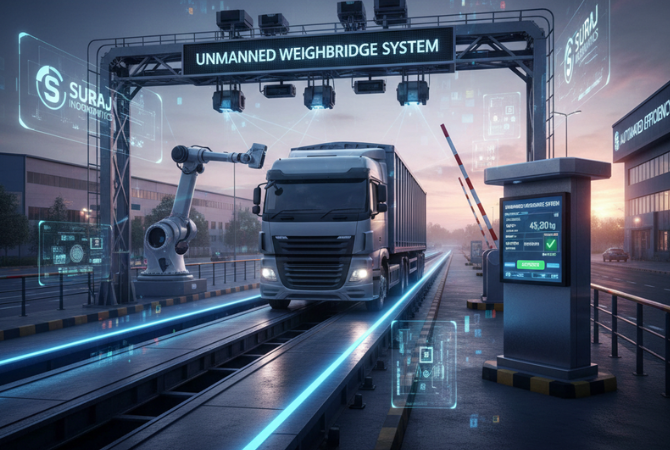

An unmanned weighbridge can run around the clock without an operator in the cabin, but it still needs to be watched. Remote monitoring lets one team supervise several weighbridges, see every weighment as it happens and step in only when something goes wrong. This guide explains how unmanned weighbridge remote monitoring works and what it takes to run 24×7.
Key takeaways
- RFID or ANPR, barriers, lights and sensors let the weighbridge run without an operator.
- Live CCTV, dashboards and alerts let one team supervise several sites remotely.
- Tickets, reports and audit trails are created automatically for every weighment.
- People are still needed for exceptions, maintenance and calibration.
What makes 24×7 unmanned operation possible
Vehicles are identified by RFID or ANPR, boom barriers and traffic lights guide them on and off the platform, position sensors check placement and the software captures a stable weight. Tickets and records are created automatically, so no one needs to sit in the weighbridge cabin. For the full sequence, read how an unmanned weighbridge works, step by step.
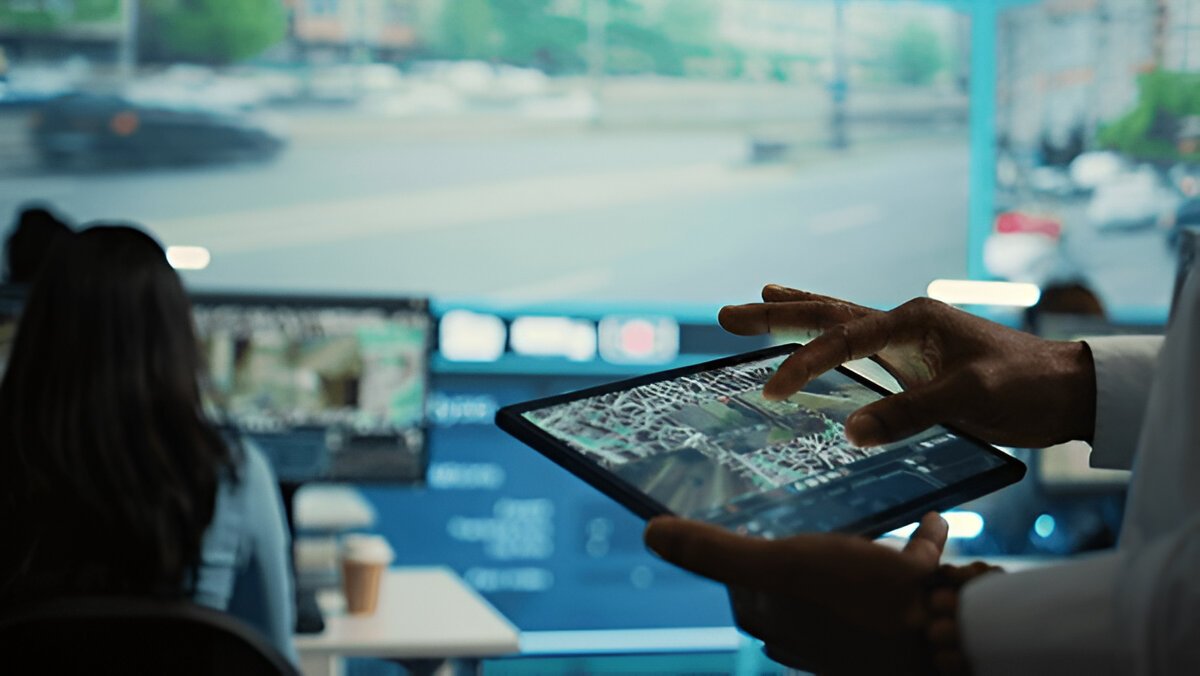
Remote monitoring: what the control room sees
| View | What it shows |
|---|---|
| Live weighments | Vehicle, material, gross, tare and net weight as each truck is weighed |
| Live CCTV | Cameras on the lane, platform and load |
| Device status | Barriers, lights, sensors, readers and indicator online or offline |
| Alerts | Unknown vehicles, positioning errors, tare mismatch, device faults |
| Reports | Daily totals by site, material, supplier or customer |
Alerts and exception handling

Most trucks pass without any human action. When something unusual happens, such as an unregistered vehicle, a weight outside the expected range or a barrier fault, the system raises an alert. A supervisor checks the images, talks to the driver over the intercom if needed and approves or rejects the transaction remotely.
Audit trails and fraud protection
Every weighment is stored with time, vehicle ID, weights and camera images. Manual overrides are logged with the user name. This makes it hard to manipulate weights and easy to answer disputes. Read more about weighbridge fraud prevention.
Calibration note: automation does not replace legal metrology. The weighbridge, load cells and indicator must still be calibrated, stamped and verified at the intervals required by the Legal Metrology authorities, and after any repair or relocation.
What still needs people
- Exception handling. A remote supervisor resolves alerts and unusual transactions.
- Preventive maintenance. Regular checks of load cells, cameras, readers and barriers.
- Calibration. Legal verification and stamping at the required intervals.
- Data review. Weekly review of reports, overrides and device logs.
Suraj Informatics delivers unmanned weighbridge systems with remote monitoring for plants, ports, logistics parks and mining sites. See also weighbridge ERP integration.
Unmanned weighbridge remote monitoring: common questions
Can an unmanned weighbridge run 24×7?
Yes. With automatic identification, guidance devices and software, it can weigh trucks around the clock without an operator in the cabin.
Can one team monitor several weighbridges?
Yes. Remote dashboards and CCTV let one control room supervise multiple weighbridges or sites.
What happens if a device fails at night?
The system raises an alert, and a supervisor can switch to a fallback process or call maintenance.
Is calibration still required?
Yes. Unmanned weighbridges must still be calibrated and stamped under legal metrology rules.
Talk to our weighbridge team
Tell us about your weighbridges and working hours, and we will suggest the right unmanned and remote monitoring setup.