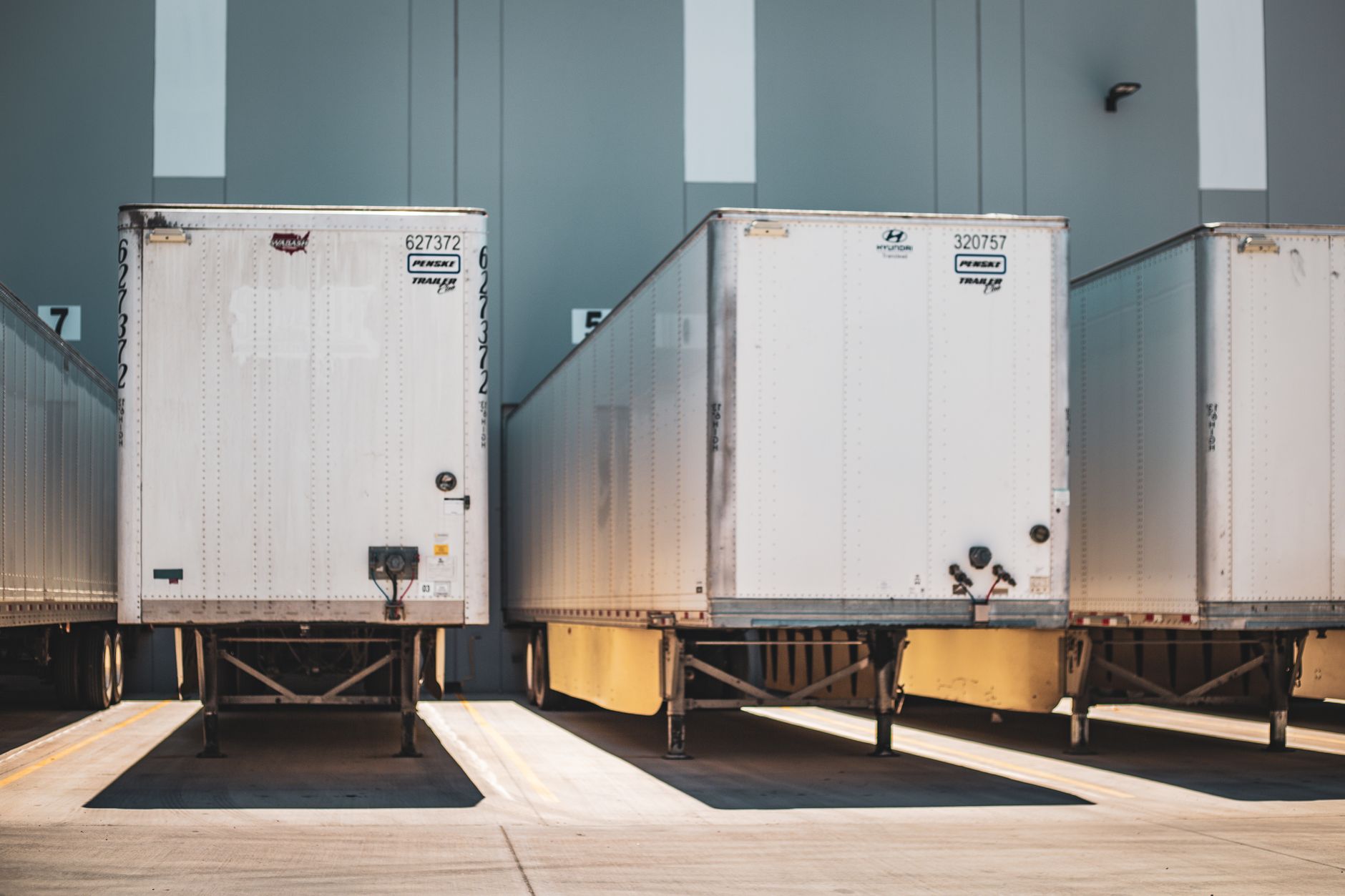
Container Terminal Operations: How a Modern Terminal Works and Where Automation Cuts Delays

A container terminal is where sea and land logistics meet. Ships unload thousands of boxes, trucks and trains collect them, and every container must be stacked, tracked, inspected and released without losing time. When a terminal runs well, nobody notices. When it slows down, ships wait at anchorage, trucks queue for kilometres outside the gate and importers pay for every extra day.
This guide explains what a container terminal is, how its four main areas work together, which numbers terminal managers watch, and where automation removes the delays that manual processes create.
What is a container terminal?
A container terminal is a dedicated facility, usually inside a port, built to handle standard shipping containers (20-foot and 40-foot boxes, measured in TEUs). Its job is simple to describe and hard to do: move containers between ships and land transport as quickly and safely as possible, and keep an exact record of where every box is at every moment.
Terminals are found at seaports, river ports and inland locations. Inland facilities such as Inland Container Depots (ICDs) and Container Freight Stations (CFSs) work on the same principles, just without the ship. Read how this applies to CFS operators in our post on smart automation for container freight stations.
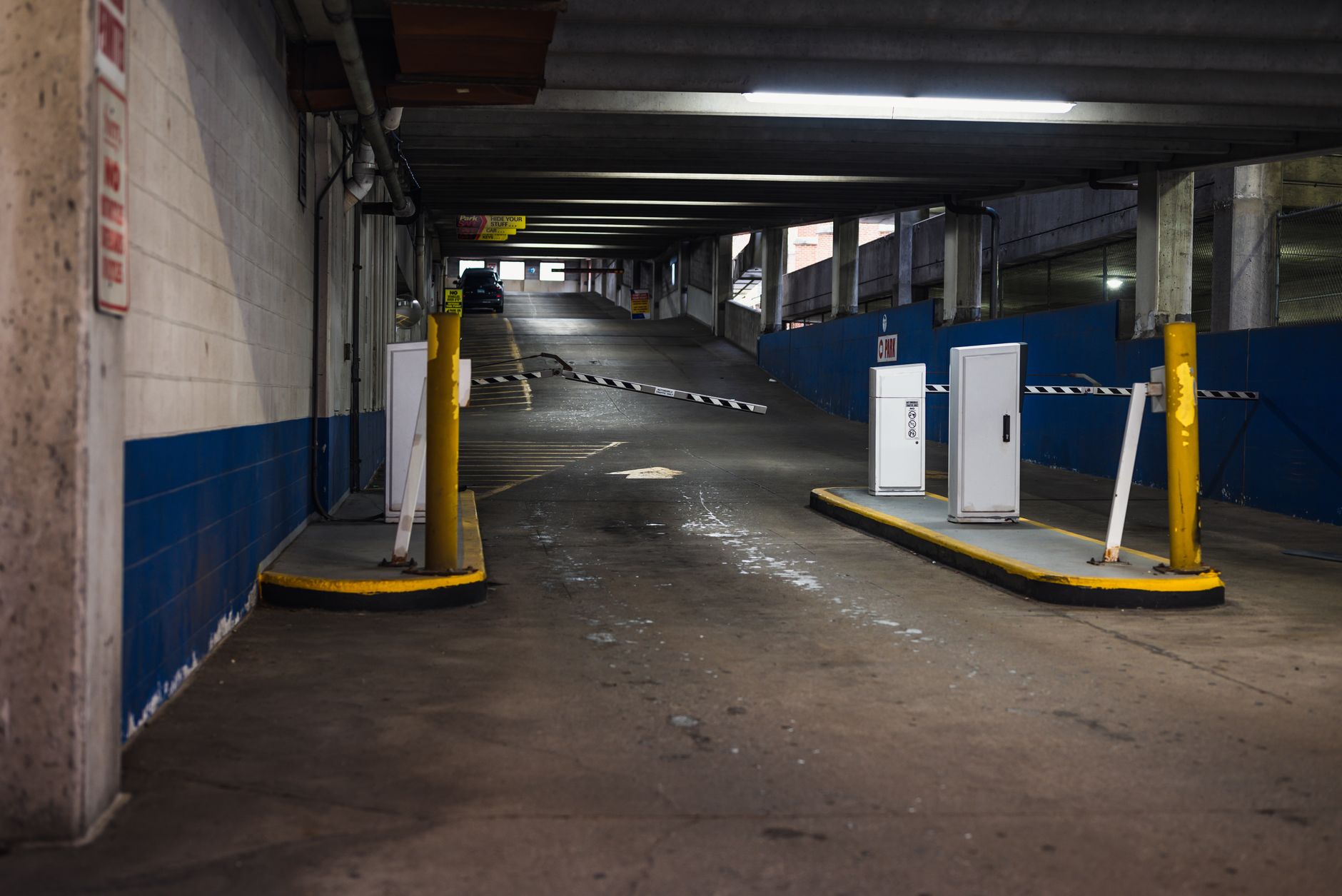
The four areas of a container terminal
1. Quay (berth)
The quay is where ships berth. Ship-to-shore (STS) cranes lift containers off the vessel and load export boxes on board. Every minute a ship spends at berth costs money, so quay productivity, measured in crane moves per hour, is the headline number for most terminals.
2. Container yard
The yard is the terminal’s warehouse. Containers are stacked in blocks by rubber-tyred gantry cranes (RTGs), reach stackers or straddle carriers while they wait for a ship, a truck or a train. Good yard planning keeps the next box needed near the top of the stack. Poor planning means “shuffle moves”, lifting three boxes to reach one, which wastes equipment hours and slows every truck waiting for that container.
3. Gate
The gate is where trucks enter and leave. At the in-gate, staff check the truck, the driver, the container number, the seal and the documents, and look for container damage. At the out-gate, they confirm the right box is leaving on the right truck. In many terminals this is still a paper-and-clipboard process, and it is the most common bottleneck on the land side.
4. Rail and inland connections
Many terminals also load containers onto trains through an on-dock or nearby rail siding. Rail handling needs its own planning, wagon tracking and weighment, and it competes with trucks for yard equipment.
How a container moves through the terminal
Follow one import container and you can see where time is lost:
- Discharge: the STS crane lifts the box from the ship onto a terminal tractor.
- Yard stacking: the box is placed in a yard block and its position is recorded in the Terminal Operating System (TOS).
- Clearance: customs and the shipping line release the container for delivery.
- Truck arrival: a truck reports at the gate to collect it. Identity, documents and appointment are checked.
- Yard pickup: the truck drives to the block, waits for the RTG or reach stacker, and the box is loaded.
- Weighment and out-gate: the loaded truck is weighed where required, the container is checked against the release, and the truck exits.
Steps 1 and 2 are mostly under the terminal’s control. Steps 4 to 6, the land side, are where most trucks lose hours, because they depend on manual checks and on information that arrives late.
Key performance indicators for container terminals
- Crane productivity: container moves per crane per hour at the quay.
- Berth productivity and ship turnaround: how long a vessel stays at berth.
- Container dwell time: how many days a box stays in the yard before it leaves.
- Yard utilisation: how full the stacks are. Above a certain level, shuffle moves rise sharply.
- Truck turnaround time (TAT): the time from a truck reaching the gate to leaving it. We explain this KPI in detail in our guide to TAT in logistics.
- Gate transaction time: how long each truck takes to pass the in-gate and out-gate.
Common problems at container terminals
- Gate congestion: manual document checks and container number entry create long queues, especially at shift change and when several ships discharge together.
- Typing errors: a wrongly typed container or vehicle number can send a truck to the wrong block or release the wrong box.
- Disputed damage: without time-stamped photos at the gate, it is hard to prove whether a dent happened before or after the box entered the terminal.
- Blind yard: if positions are not updated in real time, equipment operators search for boxes and trucks wait at the block.
- Weighment queues: manned weighbridges slow down every truck that needs a verified weight.
- No single view: gate, yard, weighbridge and rail data sit in separate systems, so managers see problems only after trucks have already piled up.
How automation speeds up a container terminal
Automated gate with OCR and ANPR
Cameras read the container number, ISO code and vehicle number plate as the truck drives in, and match them against the appointment and release data. The driver does not need to stop for manual entry, and the gate clerk handles only exceptions. Suraj Informatics’ gate automation combines OCR, ANPR, RFID and boom barriers for this purpose.
Container damage inspection
Multi-angle cameras capture every container at the gate and store the images with a time stamp. Damage claims are settled with evidence instead of argument.
Unmanned weighbridge
An unmanned weighbridge identifies the truck automatically, records the weight and pushes it to the system without an operator typing anything, so weighment no longer creates a second queue.
Real-time yard visibility
Live container positions and truck locations let planners send each truck to the right block at the right time. A yard management system also shows which blocks are congested before trucks get stuck there.
Truck appointments and queue management
Booking time slots spreads truck arrivals across the day instead of letting everyone arrive at once. A digital queue calls trucks forward only when the gate or the yard is ready for them.
One control tower view
The biggest gain comes from connecting these pieces. When gate, weighbridge, yard and rail events flow into one dashboard, managers can see every truck and every container stage by stage and act before a delay spreads. This is how the GATIVRA platform from Suraj Informatics is built: one system for the full truck journey, from arrival to exit. Sites using GATIVRA report around 40% lower vehicle turnaround time.
Container terminals in India
India’s container traffic is growing, new terminals are being built and existing ones are expanding capacity. At the same time, inland facilities, ICDs and CFSs, are handling more boxes closer to manufacturing centres. For all of them, the land side is now as important as the quay: a fast crane is wasted if the trucks that feed it are stuck at the gate. Automating the gate, weighbridge and yard is usually the quickest way to raise throughput without adding land or equipment.
Explore how Suraj Informatics automates ports and terminals on our port automation page.
Frequently asked questions
What is the difference between a port and a container terminal?
A port is the whole harbour area with many facilities. A container terminal is one facility within it, built only for handling containers. A large port can have several container terminals run by different operators.
What is a Terminal Operating System (TOS)?
A TOS is the software that plans and records container movements: berth plans, yard positions, equipment jobs and gate transactions. Gate, weighbridge and yard automation systems feed accurate, real-time data into the TOS.
What is container dwell time?
Dwell time is the number of days a container stays in the terminal yard before it leaves by truck, train or ship. Lower dwell time frees yard space and raises terminal capacity.
How can a container terminal reduce truck turnaround time?
Measure turnaround stage by stage, then automate the slowest stages: OCR and ANPR at the gate, an unmanned weighbridge, truck appointments and real-time yard visibility. Most of a truck’s time inside a terminal is waiting, not handling.
Does gate automation work with an existing TOS?
Yes. Automated gate systems are normally integrated with the terminal’s existing TOS, so they add speed and accuracy without replacing the core system.
Planning to speed up your terminal’s gate, weighbridge or yard? Talk to Suraj Informatics for a walkthrough of GATIVRA at your site.