


An RFID asset tracking system attaches a tag to each asset, reads it with fixed or handheld readers and records the result in software. The outcome is a current list of what you own, where it was last seen and when it was last checked. This guide explains the parts and the routines that keep the list accurate.
Key takeaways
- An RFID asset tracking system has three parts: tags, readers and software.
- Tag choice depends on the asset: metal, plastic, liquid and outdoor items differ.
- Fixed readers record movement; handhelds are used for audits and searches.
- The list stays accurate only if audits and tag replacement are routine.
What an RFID asset tracking system does
Each asset carries a tag with a unique ID. A reader sends a radio signal, the tag answers, and the software links that ID to a record: asset name, owner, location and status. Because no line of sight is needed, many tags can be read quickly as they pass a doorway or as a person walks a room with a handheld reader.
The tag does not know where it is. The system infers location from which reader saw it. For software choices, read RFID asset tracking software compared.

Choosing tags for different asset types
Tags come in labels, hard tags and rugged tags, and in passive and active types. Metal can detune a tag, and liquids absorb radio energy, so the surface matters.
| Asset | Tag consideration |
|---|---|
| IT equipment | Small label tags that survive handling |
| Metal tools and containers | Tags built for use on metal |
| Outdoor equipment | Sealed tags that tolerate weather and sun |
| Returnable items | Durable tags that can be reused |
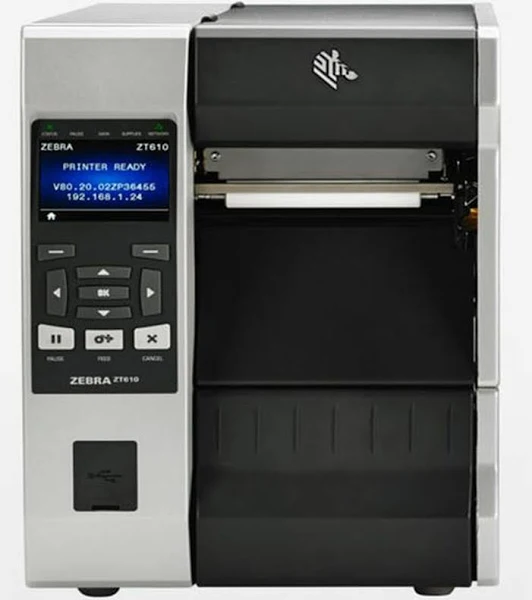
Print and encode tags with a suitable RFID printer so each ID matches its record.
Fixed readers, handhelds and where each fits
Fixed readers sit at doors, gates or dock edges and log movement without anyone stopping. Handheld readers are carried by staff for audits, searches and checks. Many sites use both: fixed readers for movement and handhelds to verify and to find a missing item.

Running audits and keeping records clean
A tracking list drifts when tags fall off or assets move without a scan. Simple routines keep it accurate.
- Walk each area with a handheld reader.
- Compare the scan with the system list.
- Investigate assets that are missing or in the wrong place.
- Replace damaged or detached tags.
- Record the audit date and who did it.
Planning an RFID asset tracking system with Suraj Informatics
Suraj Informatics provides RFID and RTLS solutions for plants, ports and warehouses, from site survey and tag trials to software and support. Read RFID advantages for plants for the wider benefits.
RFID asset tracking system: common questions
What is the difference between RFID and barcodes?
RFID tags can be read without line of sight and several at a time. Barcodes need a clear view of each label.
Do all assets take the same tag?
No. Metal and liquid surfaces need tags designed for them. Test on your own assets.
Are active tags always needed?
Not usually. Passive tags suit many assets. Active tags carry a battery and suit items you need to locate over longer distances.
How often should I audit?
Set a schedule that matches the value and movement of the assets, and audit high-value items more often.
Talk to our RFID team
Tell us what you track and where it moves, and we will suggest tags, readers and software that fit.