

When you cannot find an asset, a pallet or a vehicle, every minute costs money. RFID (radio-frequency identification) solves this by reading tags with radio waves, so items can be identified without scanning them one by one. This guide covers the main advantages of RFID, where it is used, and how to judge whether it fits your business.
Key takeaways
- RFID reads tags by radio, without line of sight.
- Many tags can be read at once, which makes counts and checks much faster than barcode scanning.
- Fixed readers at gates and aisles give real-time tracking.
- RFID needs an upfront investment, so test it on a clear use case first.
How RFID identifies and locates items
An RFID tag holds a unique ID and is attached to an item. When the tag comes within range of a reader, it is read and the ID is matched to a database record. Readers can be handheld or fixed at gates and aisles. See RFID and RTLS solutions for the options.
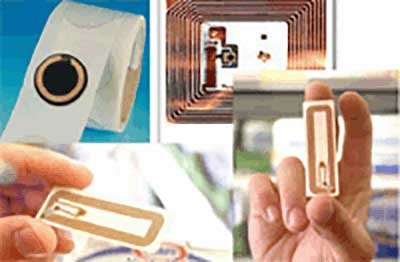
The main advantages of RFID over barcodes
| Advantage | What it means in practice |
|---|---|
| No line of sight | Tags can be read even when not visible or not lined up with the scanner |
| Bulk reading | Many tags can be read at once, so a whole pallet or room can be counted quickly |
| Reading on the move | Tags are read as items pass a gate or aisle, without stopping |
| Real-time visibility | Fixed readers update location as assets move |
| Less manual work | Fewer manual scans and cycle counts |
Where plants, warehouses and hospitals use RFID
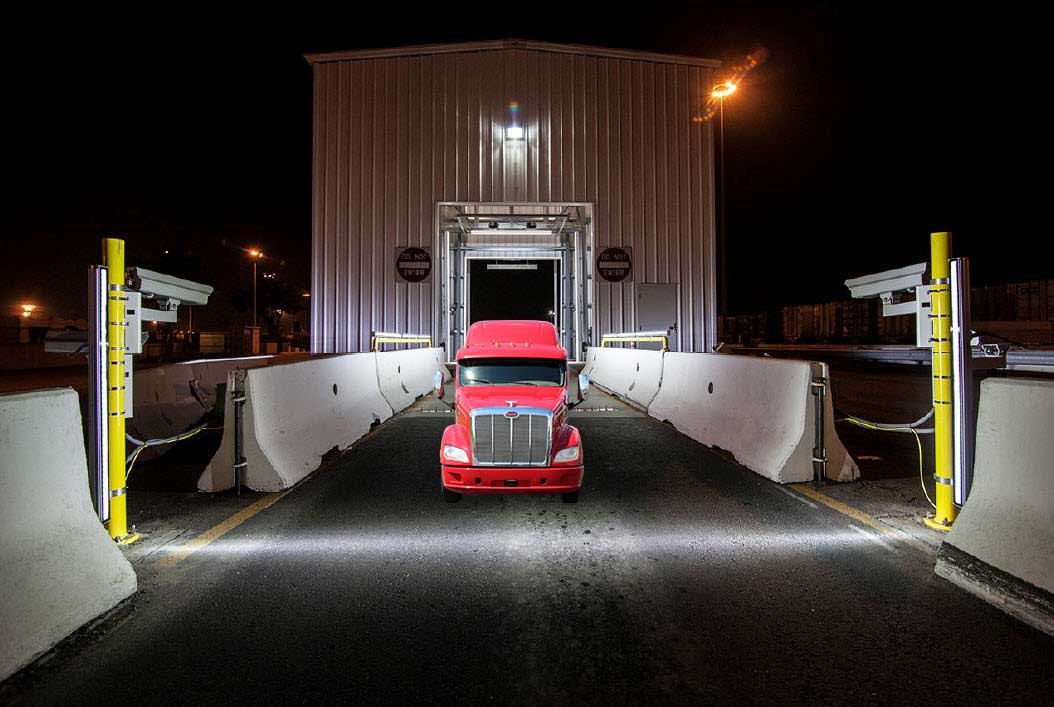
Warehouses and distribution centres use RFID to speed up receiving, picking and stock counts. Manufacturers use it to track parts and materials through production. Ports and plants use it to identify vehicles at gates, as in RFID for terminals and trucks. Hospitals use it to track equipment and identify patients.

Deciding whether RFID fits your business
RFID needs an upfront investment in tags, readers and software, so measure the benefit against your current cost of errors, searching and manual counting. Start with one clear use case, such as gate identification or stock counting, prove the result and then widen it.
- Review current processes and how much time and error they cost.
- Run a site survey to check read range and interference.
- Pilot one use case with a small number of tags and readers.
- Scale up once the results are clear.
RFID site survey and integration with Suraj Informatics
Suraj Informatics designs RFID and RTLS solutions, from site survey to integration, for plants, ports and warehouses. You can also read RFID asset tracking software compared and how real-time locating systems work.
RFID advantages: common questions
What are the main advantages of RFID?
Tags are read without line of sight, many tags can be read at once, items can be read on the move and location can be tracked in real time.
How is RFID different from a barcode?
A barcode must be scanned one at a time with a clear view. RFID reads by radio, so multiple tags can be read quickly without lining up each item.
What is the read range?
It depends on the tag type, the reader and the environment. Test on site before you decide.
Is RFID worth the cost?
It depends on how much manual counting, searching and error you have today. Pilot a single use case first.
Talk to our RFID team
Tell us what you need to track and where, and we will suggest the right tags, readers and software.