

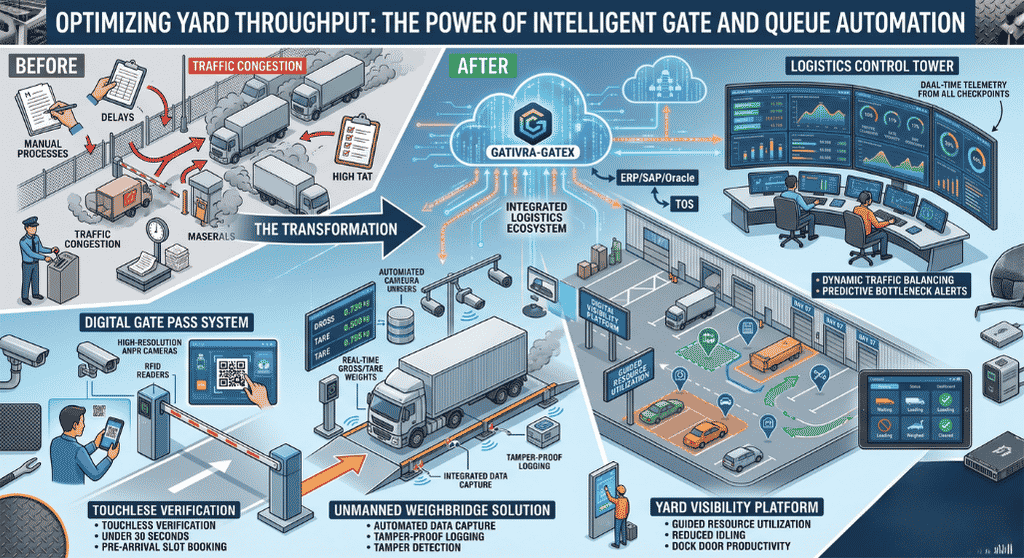

The yard is the link between transport and the warehouse or plant, yet in many sites it is still run with radios, paper and guesswork. Trailers get lost, trucks arrive without warning and docks sit idle while a queue builds at the gate. This article looks at the most common yard management challenges and how a yard management system (YMS) solves each of them.
Key takeaways
- Most yard problems come from missing data: where trailers are, when trucks will arrive and which dock is free.
- Disconnected transport, yard and warehouse systems make operations reactive and drive up detention charges.
- Yard jockeys waste effort when moves are planned on paper instead of from live yard data.
- A YMS links gate, yard and dock with RFID or ANPR identification, appointments and a live yard map.
The four biggest yard management challenges
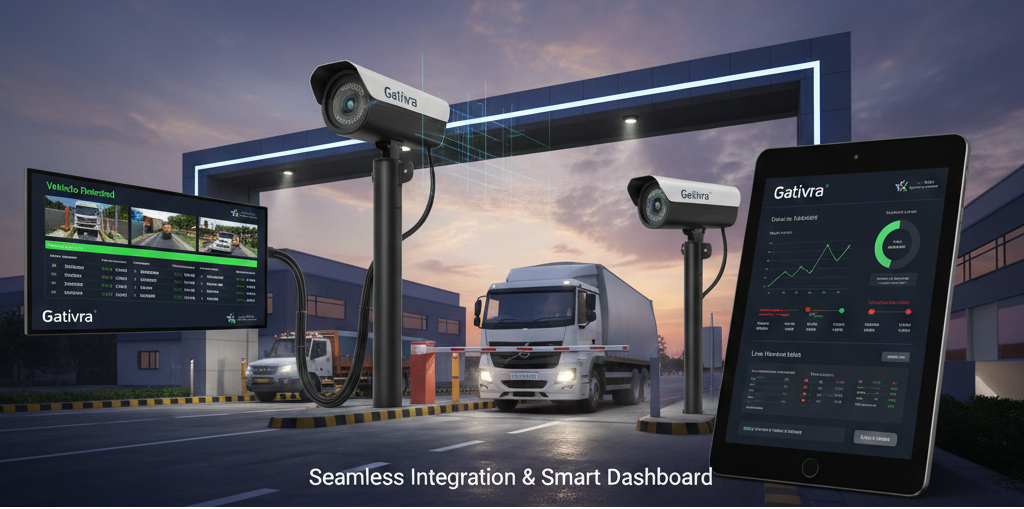
Every site is different. The size of the yard, the type of goods and the number of docks all change the picture. Even so, the same four problems come up again and again when we talk to plant, warehouse and terminal teams.
| Challenge | What it looks like on the ground | What it costs |
|---|---|---|
| Poor trailer visibility | Nobody knows exactly which trailers are in the yard, whether they are loaded or empty, or where they are parked | Searching time, wrong moves, idle assets |
| Unknown arrivals | Trucks turn up without an appointment, so the gate and docks cannot plan | Gate congestion, demurrage and detention charges |
| Disconnected processes | Transport, yard and warehouse teams each use their own sheets or systems | Reactive work, wasted dock time, poor customer service |
| Inefficient yard jockeys | Moves are called over the radio with no plan or priority | Extra fuel and labour, safety and compliance risks |
Why trailer and shipment visibility breaks down
Visibility usually fails at the gate. If a truck or trailer is not identified and recorded when it enters, the yard team has to rely on memory and manual checks from that point onward. A trailer parked in the wrong slot can stay lost for hours.
Shipment visibility is the other half of the problem. When the yard does not know which trucks are due and when, it cannot reserve space, plan dock doors or call in labour. The result is a busy gate in the morning, empty docks in the afternoon and avoidable waiting charges.
How disconnected systems slow the whole site
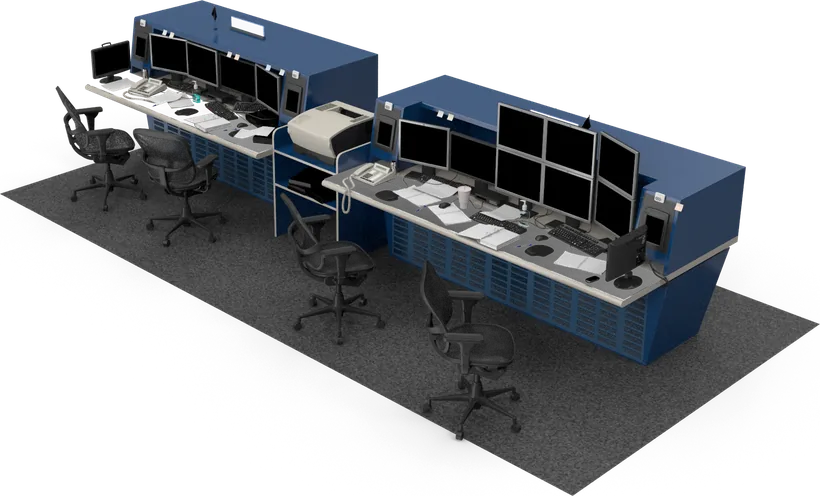
In many sites the transport management system, the warehouse management system and the yard are not connected. Information is passed by phone, email or spreadsheet, and it is often out of date by the time it arrives. Dock doors, forklifts and labour are then planned on old information, which leads to idle time in one place and queues in another.
How a yard management system solves each challenge
| Challenge | YMS capability that fixes it |
|---|---|
| Poor trailer visibility | RFID or ANPR identification at the gate and a live yard map showing every trailer, slot and status |
| Unknown arrivals | Truck appointment booking and pre-arrival details so the gate and docks can plan ahead |
| Disconnected processes | Integration with TMS, WMS and ERP so every team works from the same live data |
| Inefficient yard jockeys | Digital move tasks on handheld devices, prioritised by dock schedule and waiting time |
Read more about how a yard system is designed in our guide to a workflow-based yard management system, or see how a YMS cuts demurrage, detention and labour costs.
Getting started with yard management
- Map the current flow. Record how trucks and trailers move from gate to dock and back, and where they wait.
- Fix identification at the gate. Use RFID tags or ANPR cameras so every vehicle is recorded on entry and exit.
- Introduce appointments. Give carriers a simple way to book arrival slots.
- Connect the systems. Link the YMS with your WMS, TMS or ERP.
- Measure and improve. Track dwell time, dock utilisation and gate-to-dock time every week.
Suraj Informatics delivers yard management systems for plants, warehouses and terminals in India as part of the GATIVRA platform.
Yard management challenges: common questions
What is the biggest challenge in yard management?
Lack of visibility. When the site does not know which trailers are in the yard and which trucks are coming, every other process becomes reactive.
How does a YMS reduce detention charges?
It plans arrivals with appointments, assigns docks in advance and shows trailers that are close to their free time, so they are handled first.
Do I need a WMS before a YMS?
No. A YMS can run on its own, but it gives more value when it shares data with your WMS, TMS or ERP.
Which technologies does a YMS use?
Typically RFID or ANPR at the gate, handheld devices for yard jockeys, a yard map and dashboards for supervisors.
Talk to our yard automation team
Tell us about your yard, docks and daily truck volumes, and we will suggest the right yard management setup.