


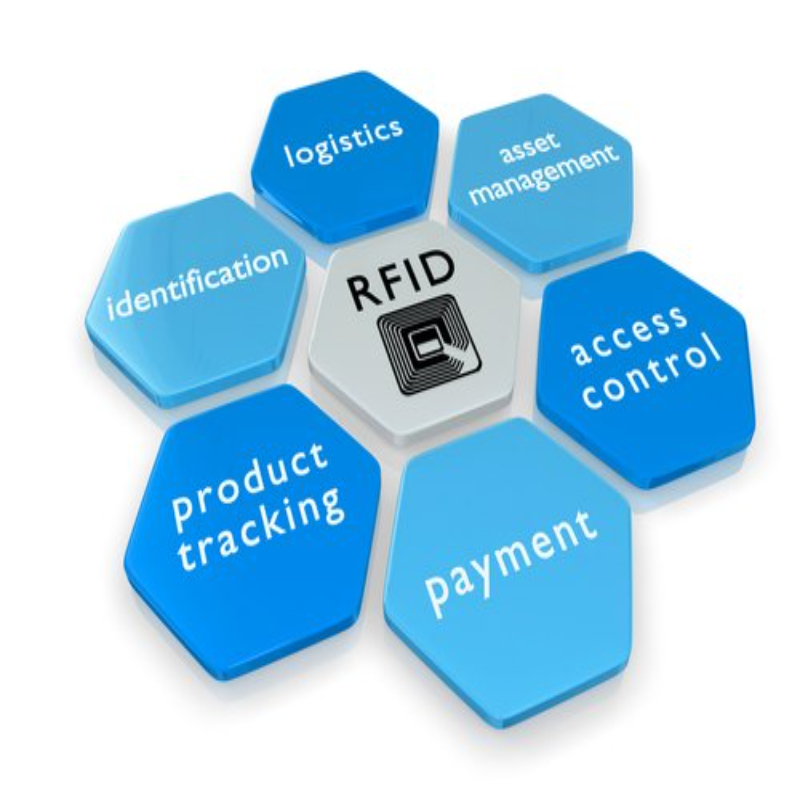
RFID is not the right answer to every tracking problem. Before you buy tags and readers, a short fit test shows whether radio identification will save effort at your site or whether barcodes, cameras or manual checks will do the job more simply. Is RFID a good fit for your site? These five questions keep the decision practical.
Key takeaways
- RFID suits items that must be identified without line of sight, in groups or at speed.
- Metal, liquids and long read distances change the tag and reader choice, so test them first.
- Barcodes stay simpler when one item is scanned at a time by a person.
- A small trial with your own items is the best way to settle the question.
Question one: what must be identified, and how often?
List what you need to identify: stock, tools, vehicles, returnable containers or people. Then note how often each one moves and who handles it today. If a person already scans each item with a clear view of the label, barcodes may be enough. If items move in bulk, hide inside packaging or pass a doorway quickly, RFID starts to make sense. Hospitals, for example, use RFID to find mobile equipment that staff would otherwise search for by hand.
Question two: what will the tag be fixed to?
Radio tags behave differently on metal, liquids, plastic and cardboard. Special on-metal and rugged tags exist, but they cost more and need the right mounting. Check the surface, the temperature range and whether tags will be knocked, washed or painted over. Our guide to RFID tag types, readers and how to choose explains the main choices.
RFID or barcode: a plain comparison
Neither technology is better everywhere. This table shows where each one usually wins.
| Factor | Barcode | RFID |
|---|---|---|
| Line of sight | Needed | Not needed |
| Items read at once | One at a time | Many together |
| Cost per item | Very low | Higher |
| Rewriting data | Not possible | Possible on many tags |
| Reading through packaging | No | Often yes |
Question three: how many tags and readers will you need?
Count the tags per month and the places where you must read them: doors, dock gates, work cells, handheld rounds. Each read point needs a reader, antennas, power and a network link. A few read points with many tags is a strong case. Many read points with few tags is a weaker one.
Where RFID is usually a poor fit
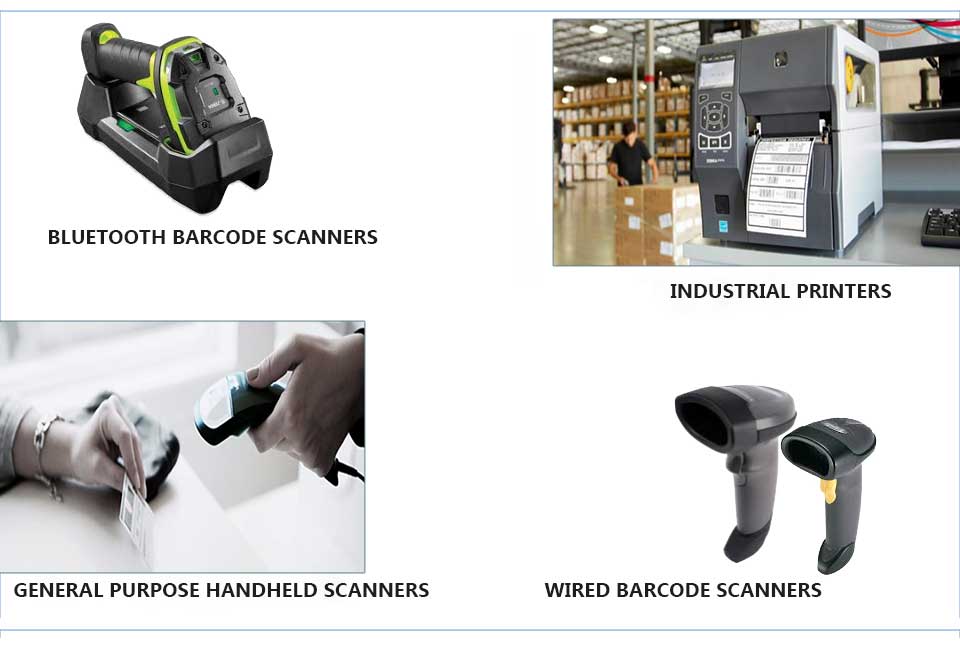
Be honest about the cases where RFID adds little: very low volumes, items that are always scanned by hand anyway, or a tight per-item cost with no process saving to offset it. You can read more about the strengths in RFID advantages for plants before deciding.
Planning an RFID fit check with Suraj Informatics
Suraj Informatics provides RFID and RTLS solutions and can help you run a small trial with your own items and surfaces. Contact us to plan it.
RFID fit questions answered
How do I know if RFID suits my business?
Check whether items must be identified without line of sight, in groups or at speed, then test tags on your own surfaces.
Is RFID always better than barcodes?
No. Barcodes are simpler and cheaper when one item is scanned at a time by a person.
Can RFID tags work on metal?
Yes, with tags designed for metal surfaces. Test them on your actual items.
Should I run a trial first?
Yes. A small trial shows real read results before you buy at scale.
Talk to our RFID team
Tell us what you need to identify and where, and we will suggest a simple trial.