

RFID asset tracking software tells you where your equipment, tools, containers and inventory are without anyone scanning barcodes one by one. Tags on each asset are read by radio, and the software turns those reads into locations, movement history and reports. This guide explains how RFID asset tracking works and compares five well-known RFID asset tracking software options, with their features, pros and cons.
Key takeaways
- An RFID system has three parts: tags on the assets, readers that send and receive radio signals, and software that stores and reports the data.
- Tags can be passive (powered by the reader), active (own battery) or semi-passive (battery for the chip, reader for communication).
- Good RFID asset tracking software combines real-time location, mobile scanning, ERP integration and life-cycle reporting.
- The right choice depends on your asset volume, environment, deployment model (cloud or on-premise) and budget.
How RFID asset tracking works
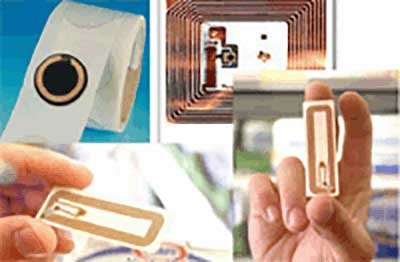
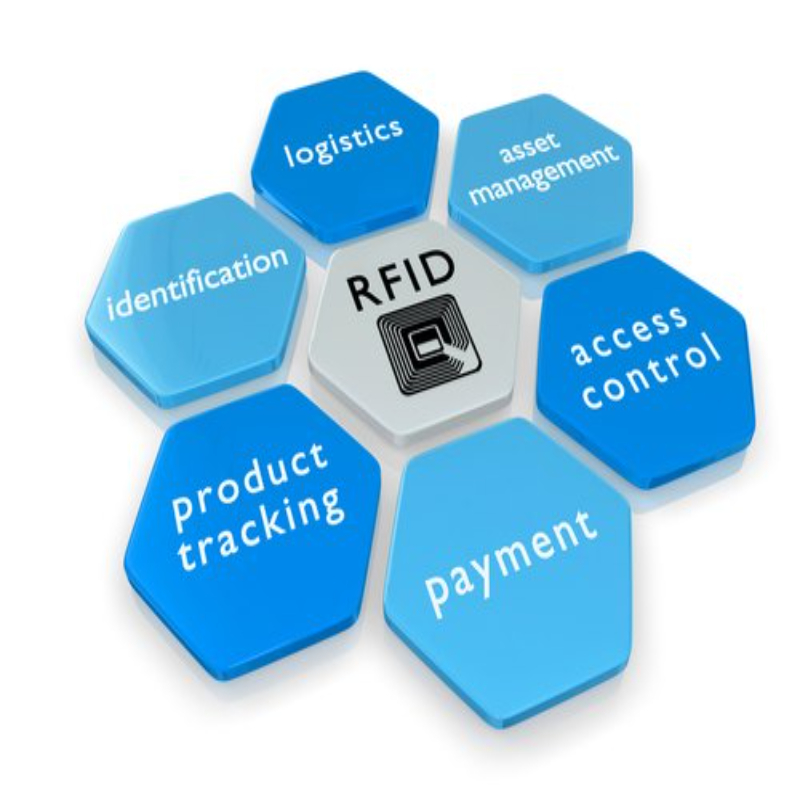
RFID (radio-frequency identification) is a technology that captures information from labels and tags. It is made up of a reader that sends out radio signals to the tags and reads the signals that they return.
An RFID tracking system automates the process of managing and finding physical assets. It works by storing data on an RFID tag attached to a specific object. This information can range from an owner’s name to the asset’s condition, quantity and location.
Passive, active and semi-passive RFID tags
Tags can be active or passive depending on their nature. In some cases a tag sits between the two: this is called a semi-passive tag. A battery is present in both active and semi-passive tags, whereas a passive tag is powered purely by the reader.
| Tag type | Power source | Typical use |
|---|---|---|
| Passive | Reader’s radio signal | Low-cost tagging of tools, IT assets and inventory |
| Semi-passive | Battery for the chip, reader for communication | Assets that need sensors, such as temperature logging |
| Active | Own battery, transmits by itself | Long-range, real-time tracking of vehicles and containers |
5 RFID asset tracking software options compared
Now that you understand how RFID asset tracking works, here are five widely used software options for data and asset tracking.
1. EZOfficeInventory
Features: fast verification of product-related data, and a mobile app to scan asset labels or integrate with third-party services.
- Pros: makes check-outs, inventory verification and other chores easier; rapid scanning and connection with third-party software; scans reliably even in tough environments.
- Cons: file uploads are limited to a certain size.
2. IntelliTrack
IntelliTrack is a cloud-based corporate solution that scales with your business and gives a detailed view of your requirements for well-informed decisions.
Features: assignees can reconcile asset counts on portable computers; a simple interface that scans assets quickly; complete reporting on each asset’s life cycle.
- Pros: suits businesses of all types and sizes; tracks asset schedules and positions in real time; data accessible from any internet-connected device; tracks multiple orders at once.
- Cons: the search widget does not always return correct results.
3. Virtual Asset Tracker (Radiant RFID)
Radiant RFID’s Virtual Asset Tracker offers precise position tracking and quick reporting. Public organisations, educational institutions and large enterprises are the best candidates, for emergency management, IT asset management, RFID mustering and education.
Features: simple integration with popular ERP systems, strong reporting and analytics, support for passive and active tags, and compatibility with fixed and handheld RFID scanners and phones.
- Pros: easy to use with a customisable interface; “last seen” location data improves accountability and reduces loss.
- Cons: relatively costly compared with other RFID asset tracking software.
4. A2B Tracking
A2B Tracking is a secure, cloud-based asset management system that uses RFID and advanced barcode tracking to improve asset and inventory visibility. It is highly scalable and used by small, medium and large businesses.
Features: track assets from your smartphone, import inventory data from your current system, and continuous hands-free monitoring 24 hours a day.
- Pros: detects the position and direction of moving objects; well suited to government agencies and commercial firms.
- Cons: no native Windows, iOS or Android apps; web and cloud deployment only.
5. Zebra
Zebra is a pioneer of RFID asset tracking, with more than four decades of enterprise solutions. It provides the analytics, software, services and hardware to connect people, assets and data, for logistics, healthcare, manufacturing and more.
- Pros: intelligent connection of people, assets and data; strong visibility and control; supports both RFID and barcode; tailored solutions on multiple devices.
- Cons: more expensive than many alternatives.
| Software | Deployment | Best for | Watch out for |
|---|---|---|---|
| EZOfficeInventory | Cloud + mobile app | Check-outs and inventory audits | File-size limits |
| IntelliTrack | Cloud | Growing businesses, life-cycle reports | Search accuracy |
| Virtual Asset Tracker | Cloud / enterprise | Public sector, education, large enterprises | Higher cost |
| A2B Tracking | Web / cloud only | Government and commercial fleets | No native apps |
| Zebra | Enterprise hardware + software | Logistics, healthcare, manufacturing | Higher cost |
How to choose RFID asset tracking software
- Asset volume and value. Thousands of low-cost items suit passive tags; high-value or moving assets may need active tags.
- Environment. Metal, liquids and outdoor yards affect read range, so test tags and readers on site.
- Integration. Check that the software connects to your ERP, WMS or terminal system.
- Deployment. Decide between cloud and on-premise, and whether you need offline mobile scanning.
- Total cost. Compare tags, readers, licences and support, not just the software price.
RFID asset tracking for plants, ports and warehouses
Suraj Informatics designs and integrates RFID and RTLS solutions for manufacturing plants, ports, container terminals and warehouses in India: tags, fixed and handheld readers, and software that links asset and vehicle movements to gate, yard and ERP systems on the GATIVRA platform.
RFID asset tracking software: common questions
What is RFID asset tracking software?
It is software that stores and reports the data read from RFID tags on your assets, showing where each asset is, who has it and how it has moved, without manual barcode scanning.
How is RFID different from barcode tracking?
RFID tags are read by radio, so many tags can be read at once and without line of sight. Barcodes must be scanned one at a time and need a clear view of the label.
Which RFID tags should I use?
Passive tags are low-cost and suit most indoor assets. Active tags have their own battery and suit long-range, real-time tracking of vehicles and containers.
Can RFID asset tracking connect to our ERP?
Most enterprise RFID software, including solutions integrated by Suraj Informatics, can exchange data with ERP and warehouse systems through APIs or other supported interfaces.
Talk to our RFID team
Tell us what you need to track and where, and we will suggest the right tags, readers and software.