


Scrap yard weighbridge automation records each load from the gate to the final net weight without an operator on the platform. Because payment depends on weight, the yard needs clean records that link supplier, grade and weighment. This guide walks through the flow and the controls that protect it.
Key takeaways
- Scrap is bought and sold by weight, so every weighment needs a trusted record.
- The flow runs from identification to gross weight, grading, tare weight and net record.
- Supplier, grade and deductions should sit with the weight in one record.
- Calibration dates must stay current because weight sets the payment.
Why scrap yards need automated weighing
Scrap and recycling yards buy and sell by weight, often from many small suppliers, so every weighment carries money. Loads arrive mixed, grades differ and the same truck may weigh twice in a visit. A manual slip process makes it easy to lose track of which weight belongs to which load.
An unattended weighbridge records each step by itself, so the yard can price from a trusted weight. It also keeps the gate moving when several trucks arrive together.
The weighing flow from gate to net weight
| Step | What happens |
|---|---|
| 1. Arrival | The vehicle is identified by tag, plate or code |
| 2. Gross weight | The loaded truck is weighed and photographed |
| 3. Unloading and grading | The load goes to the bay and the grade is recorded |
| 4. Tare weight | The empty truck is weighed on exit |
| 5. Net and record | Net weight is calculated and stored with supplier and grade |
Where the truck weighs in and out on the same platform, the system links both weights to one record. For the lane design behind this, see truck positioning on weighbridges.

Recording supplier, grade and deductions
Scrap pricing depends on more than weight. The record should carry the supplier, the material grade, any deduction for contamination or moisture, and the person who approved it. Some yards add a handheld device or a bay terminal for the grader to enter the grade, and the system links it to the weighment.
Keeping these details with the weight means payment can be worked out from one source. Photos at the weighbridge and at the unloading bay give evidence if a supplier questions the result.
Security and loss control in the yard
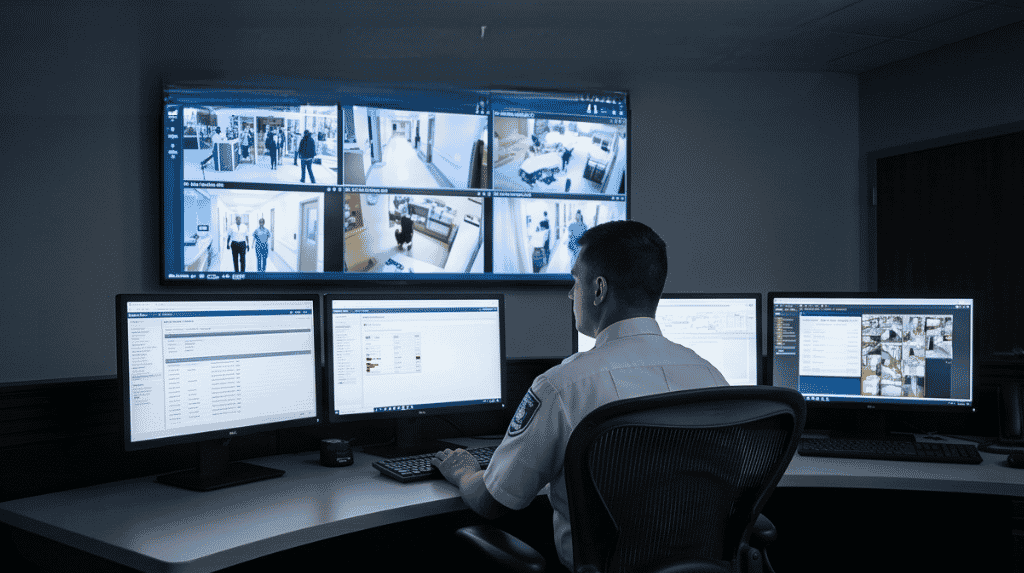
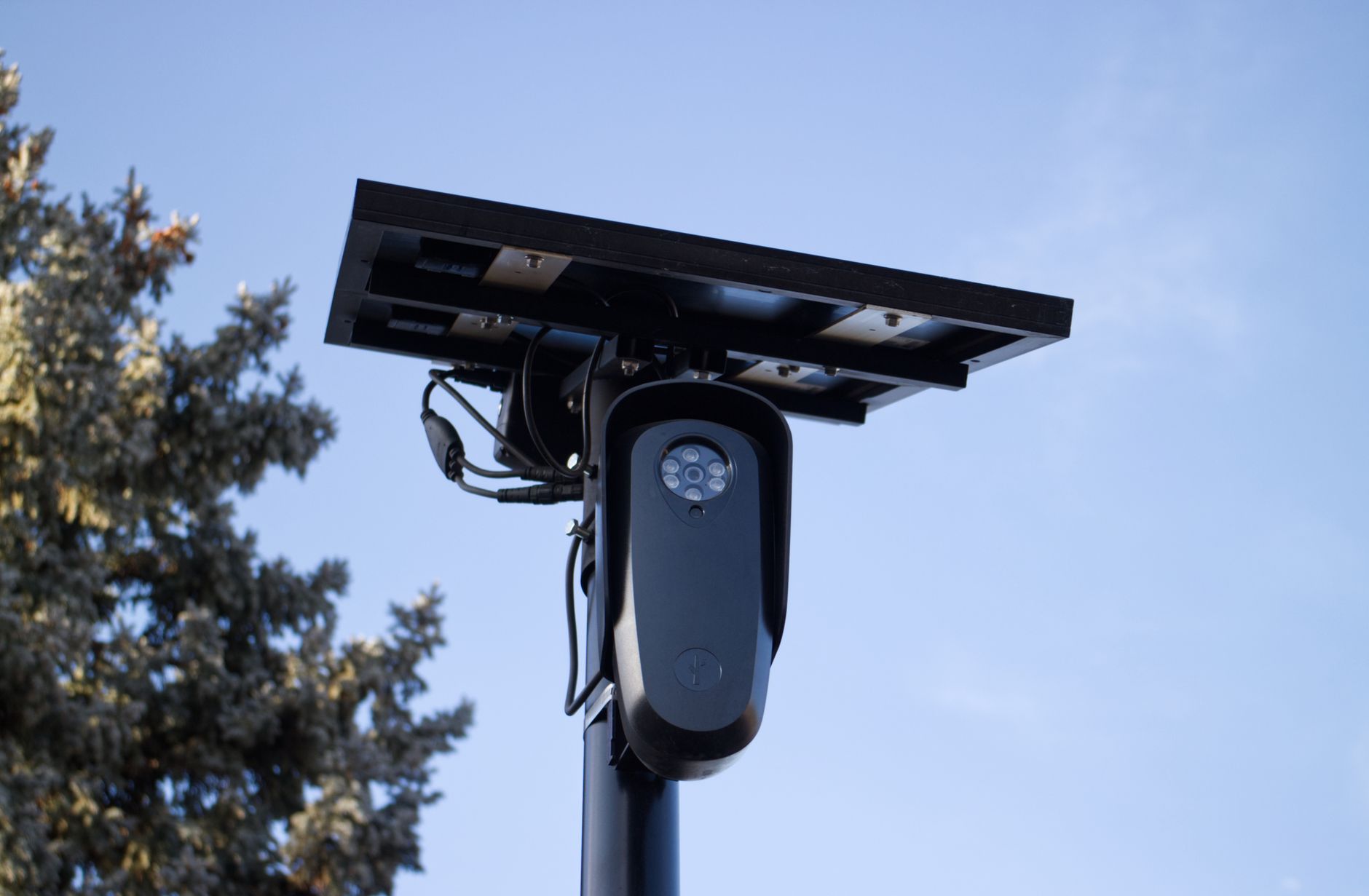
Yards handle valuable metal, so loss control matters. Cameras at the gate and weighbridge, vehicle checks against a permitted list and alerts for repeat or out-of-hours weighments help prevent leakage. Overrides should be limited and logged.
For a wider view of how to roll this out, read unmanned weighbridge implementation: a step-by-step rollout plan.
Calibration matters most where weight sets price
Calibration note. A weighbridge used for trade must be verified and stamped, and re-calibrated when required, under Legal Metrology rules. In a scrap yard the weight sets the payment, so keep verification and calibration dates up to date and recorded. Check the current requirements with your Legal Metrology office and keep the certificates on file.
Planning scrap yard weighing with Suraj Informatics
Suraj Informatics designs unmanned weighbridge automation for yards that buy and sell by weight. Tell us your supplier mix and gate layout and we will suggest a flow that suits your yard.
Scrap yard weighbridge automation: common questions
Can a scrap yard run an unmanned weighbridge?
Yes, it can be done. Vehicles are identified automatically and weights are recorded without an operator, though a grader may still enter the grade.
How is grade linked to weight?
The grader enters the grade at a bay terminal or handheld, and the system links it to the same record as the weighment.
What if a supplier disputes a weight?
The record, photos and time stamps can be reviewed from the audit trail to settle the question.
Does automation remove the need for calibration?
No. The weighbridge must be verified, stamped and re-calibrated as the rules require.
Talk to our weighbridge team
Describe your yard, suppliers and grading steps, and we will suggest an automated weighing flow.