



A real-time location system (RTLS) can be built on several radio technologies, and each trades accuracy against cost, range and effort. Choosing the wrong one gives either unusable data or an overpriced project. This guide compares the main options in plain terms, so you can match the technology to the question you are trying to answer, such as which room an item is in or exactly where a forklift is.
Key takeaways
- RTLS technologies differ in accuracy, range, tag cost and infrastructure needs.
- UWB gives the finest position, BLE and Wi-Fi give room or zone level, and GPS works outdoors.
- RFID suits checkpoints and zones; active tags add range and live updates.
- Decide the accuracy you really need before choosing the technology.
How RTLS finds a position
Tags attached to items or people send radio signals. Fixed readers or anchors receive them and software works out where the tag is, by distance, signal strength or time of arrival. The method differs by technology, and so do the results. For the basics, see how RTLS works and where it is used.

The main technologies side by side
| Technology | Typical accuracy | Strengths | Limits |
|---|---|---|---|
| UWB (ultra-wideband) | High, fine position | Precise indoors, good in busy areas | Needs more anchors and costs more |
| Bluetooth LE | Room or zone level | Low-cost tags and beacons | Less precise, signal varies |
| Active RFID | Zone level, longer range | Live updates over distance | Tags need batteries |
| Passive RFID | Checkpoint level | Very low tag cost | Only read near a reader |
| Wi-Fi | Room or zone level | Can reuse existing network | Moderate accuracy, power use on tags |
| GPS | Good outdoors | Wide coverage outside | Poor inside buildings |
GPS and cellular for outdoor tracking
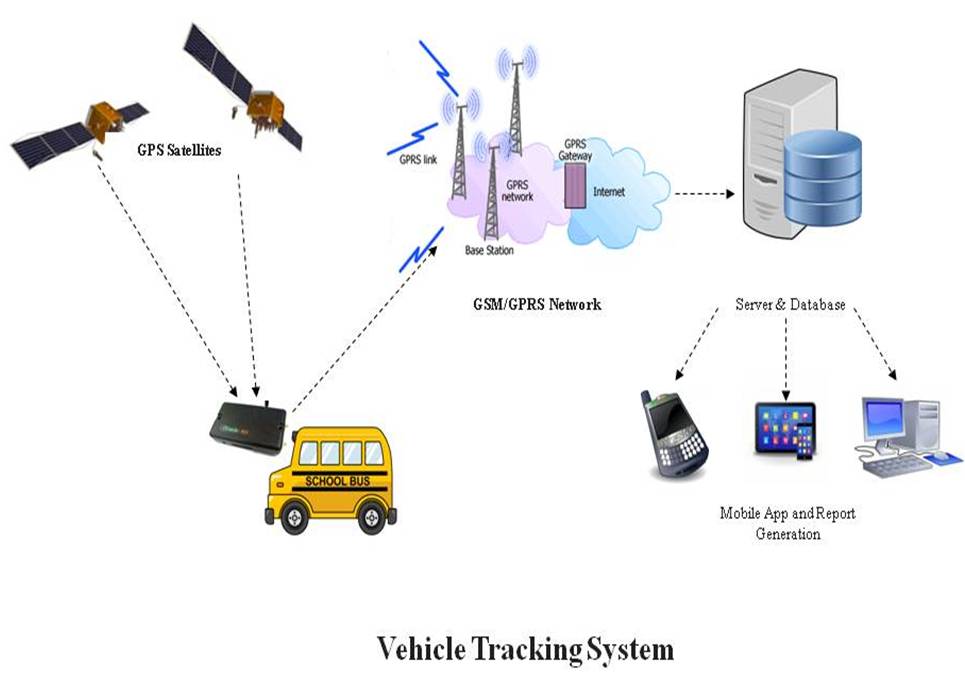
GPS works well on open roads and yards but loses accuracy inside buildings. It is used to track vehicles and mobile assets outdoors, often with cellular links to send the data. Many sites combine GPS outside with RFID or BLE inside.

Choosing the right technology
Start with the question: do you need to know the exact spot, the room, or only that an item passed a gate? Then check the environment, the number of tags and the budget. Combining technologies is common, as in RFID for terminals and trucks and RFID asset tracking software.
Choosing and installing RTLS with Suraj Informatics
Suraj Informatics designs and integrates real-time location systems using the technology that fits your site, from RFID checkpoints to active tracking, with software linked to the GATIVRA platform.
RTLS technologies: common questions
Which RTLS technology is the most accurate?
UWB generally gives the finest position, but it needs more anchors and costs more.
Is Bluetooth good enough for asset tracking?
For room or zone level it often is, and tags are low cost.
Can RFID be used for RTLS?
Yes. Passive RFID gives checkpoint reads and active RFID gives zone-level tracking over longer range.
Does GPS work indoors?
Not well. Use other technologies inside buildings and GPS outdoors.
Talk to our RFID and RTLS team
Tell us what you need to track and how precisely, and we will suggest the right RTLS technology.