


Crane OCR reads container numbers automatically as cranes load and unload, but its value depends on how often it reads correctly and how quickly the rest are fixed. Accuracy is not a single number from a brochure; it depends on cameras, lighting, container condition and integration. This article explains what affects crane OCR accuracy and how exceptions are handled.
Key takeaways
- Camera position and resolution have the biggest effect on read rates.
- Good lighting keeps reads reliable at night and in bad weather.
- Dirty, damaged or hidden numbers create exceptions that need review.
- A fast exception workflow matters as much as the raw read rate.
What crane OCR reads
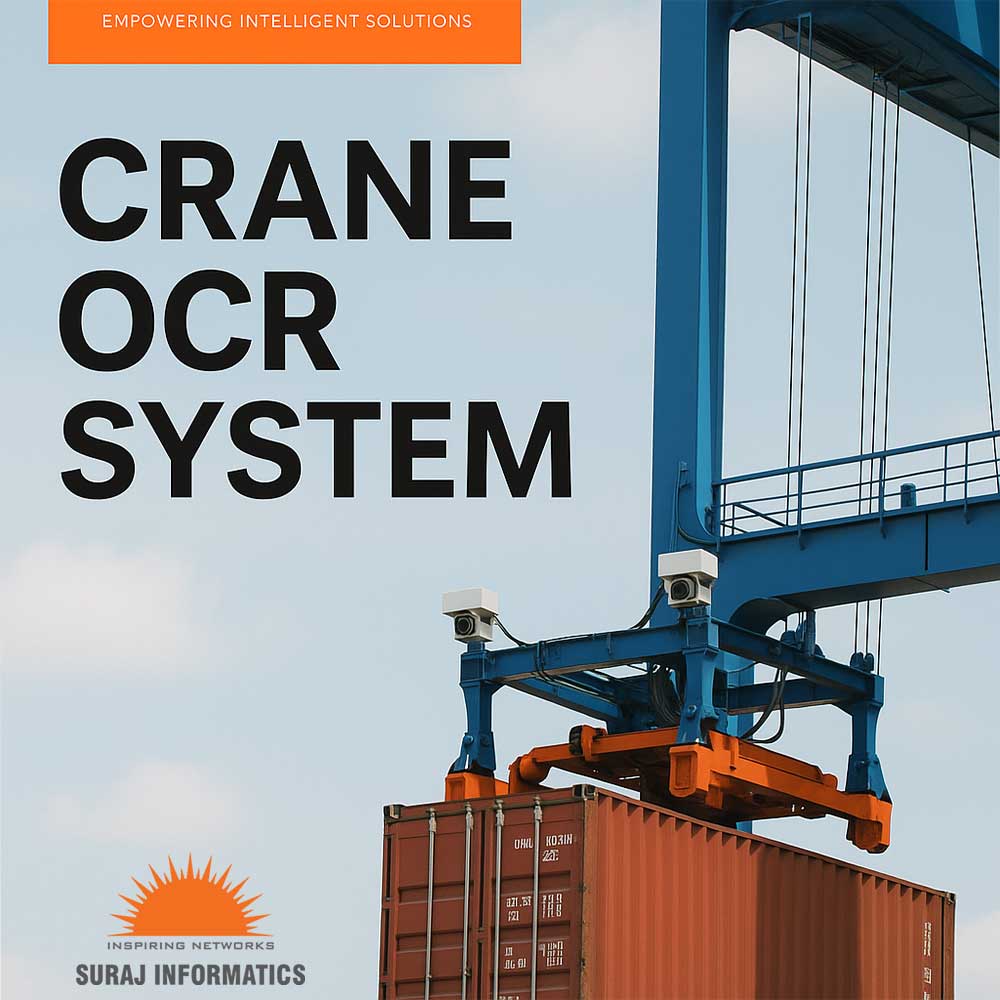
On quay and yard cranes, OCR captures the container number, ISO size and type code and sometimes seal presence and damage images. The crane PLC tells the system when a lift starts and ends, so each read is linked to the correct move and position before it is sent to the terminal operating system.
Cameras and positioning
| Factor | Why it matters |
|---|---|
| Camera position | Numbers must be visible on at least one side, end or roof during the lift |
| Number of cameras | More views raise the chance that one image is clear |
| Resolution and lens | Characters must be large and sharp enough to read |
| Vibration and mounting | Crane movement can blur images if mounts are weak |
Lighting and weather
Terminals work around the clock. Infrared or pulsed LED lighting keeps images consistent at night, while lens protection and heaters help in rain, dust and salt spray. Glare from low sun and reflections from wet surfaces also need to be considered when positioning cameras.
Container condition and exceptions
Some numbers will always be hard to read: dirty, faded, damaged or partly covered by frames. Good systems show a confidence score and send low-confidence reads to an operator, who sees the images and confirms or corrects the number remotely. Cross-checking against the vessel bay plan or load list also catches errors early.
- Capture images from several cameras during the lift.
- Recognise the number and check its built-in check digit.
- Compare with the expected container in the work order.
- Send confident matches straight to the TOS.
- Route exceptions to a remote operator with the images.
Measuring and improving accuracy
Track read rate, exception rate and time to resolve exceptions per crane and per shift. Patterns, such as more exceptions on one camera or at night, show where to adjust angles, lighting or cleaning schedules.
Read more about crane OCR features and benefits, crane OCR for RTG and RMG cranes and crane OCR integration with the TOS. Explore our crane OCR services.
Crane OCR accuracy: common questions
What affects crane OCR accuracy?
Camera position and resolution, lighting, weather, container condition and how well the system is integrated with the crane.
How are unreadable containers handled?
They are flagged as exceptions and a remote operator confirms the number using the captured images.
Does crane OCR work at night?
Yes, with suitable infrared or LED lighting.
How can accuracy be improved after installation?
By reviewing exception data and adjusting camera angles, lighting and cleaning routines.
Talk to our crane OCR team
Tell us about your cranes and current read rates, and we will suggest how to improve accuracy.