


A yard management system (YMS) controls everything that happens between the gate and the dock: where trucks and trailers wait, when they move and which dock they use. When you compare systems, the feature list can be long. This guide explains the core yard management system features, what each one does and the results to expect.
Key takeaways
- Real-time visibility is the base feature that every other YMS function depends on.
- Trailer management tracks every trailer, its status and its location in the yard.
- Dock scheduling matches arrivals with dock doors, labour and equipment.
- Yard planning and analytics keep space, moves and dwell time under control.
Real-time yard visibility
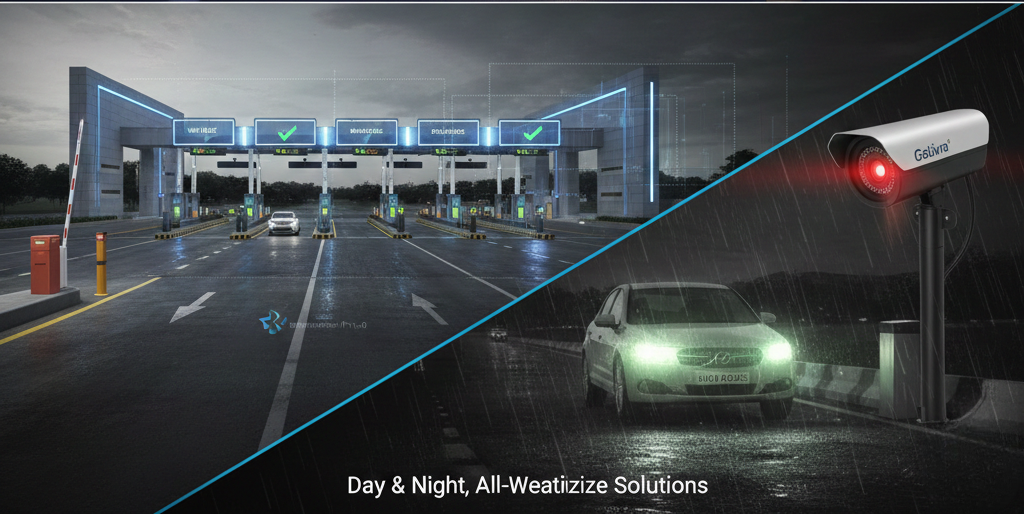
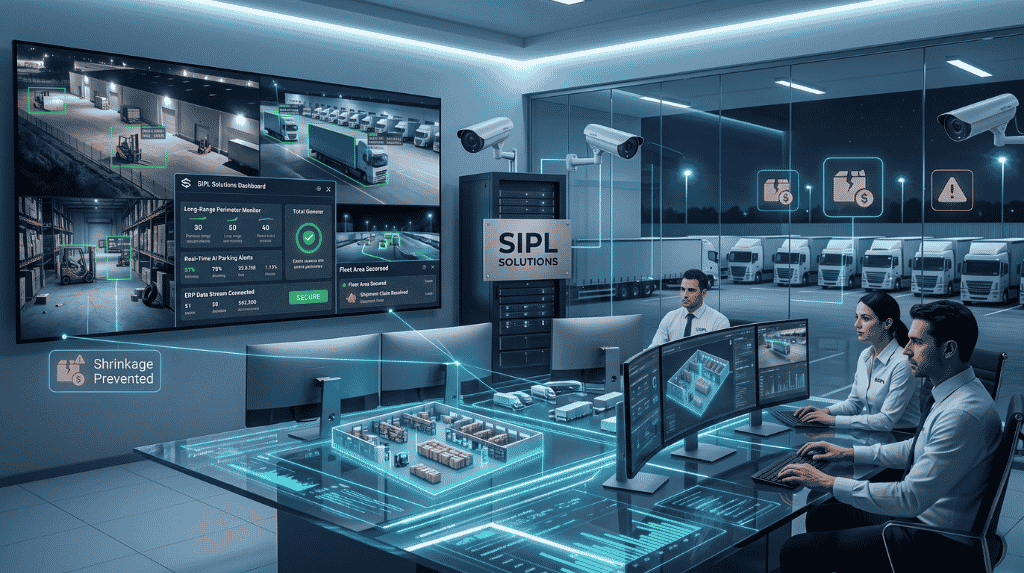
Every truck and trailer is identified at the gate with RFID or ANPR and shown on a live yard map with its status, such as loaded, empty, waiting or at dock. Supervisors see the whole yard on one screen instead of walking it or calling drivers.
Trailer and truck management
Trailer management records which trailers are on site, what they contain, how long they have been there and where they are parked. It flags trailers close to their free time so they are handled before detention charges apply, and it assigns move tasks to yard jockeys on handheld devices.
- Trailer check-in and check-out with photos and seal numbers
- Slot assignment and live location in the yard
- Dwell-time and detention alerts
- Digital move tasks for yard jockeys
Dock scheduling and appointments
Dock scheduling links truck appointments to dock doors, labour and forklifts. Carriers book slots in advance, the system assigns a door based on load type and priority, and the warehouse team sees the plan for the day. When a truck arrives early or late, the schedule is adjusted and everyone sees the change. For a dedicated look at appointment booking, see how a YMS cuts demurrage and detention.
Yard planning and analytics
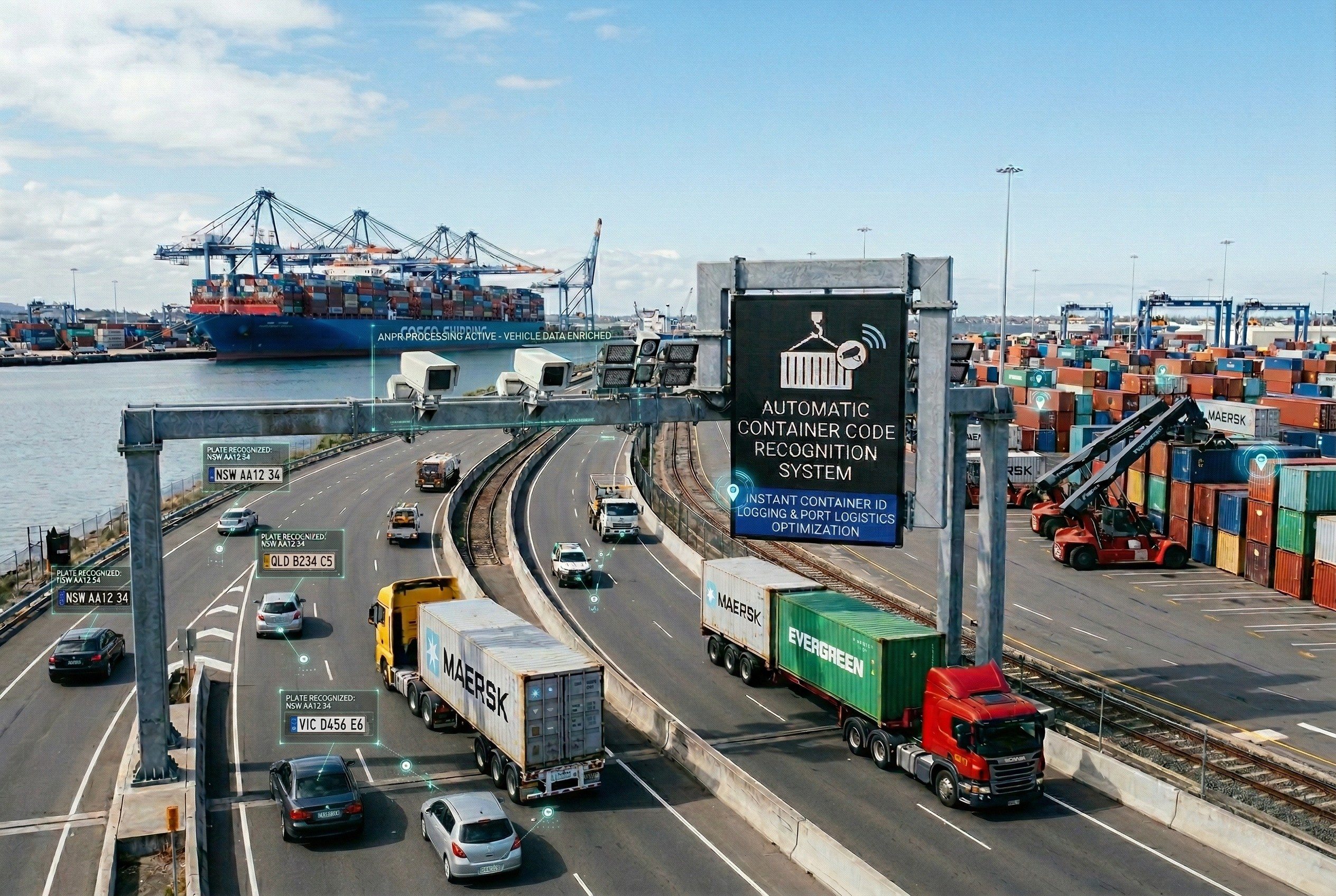
Yard planning sets zones for inbound, outbound, empty and priority trailers so space is used well and congestion is avoided. Analytics then report dwell time, dock utilisation, gate-to-dock time and carrier performance, which shows where to improve next.
| Feature | Main result |
|---|---|
| Real-time visibility | Less time searching for trailers |
| Trailer management | Fewer detention charges and wrong moves |
| Dock scheduling | Higher dock utilisation and shorter queues |
| Yard planning | Better use of space and safer movement |
| Analytics and reports | Data for continuous improvement |
| Integration | Shared data with WMS, TMS and ERP |
How to compare yard management systems
- Start with your process. List how trucks move today and where they wait.
- Check identification options. RFID, ANPR or both, depending on your fleet.
- Ask about integration. The YMS should connect to your WMS, TMS or ERP.
- Look at mobile tools. Yard jockeys and security staff need simple handheld apps.
- Review reports. Make sure the KPIs you care about are available.
For the business case, read the role of a yard management system in business. Suraj Informatics delivers yard management systems for plants, warehouses and terminals in India.
Yard management system features: common questions
What are the main features of a yard management system?
Real-time yard visibility, trailer management, dock scheduling, yard planning, analytics and integration with other systems.
How does a YMS track trailers?
Trailers and trucks are identified at the gate with RFID or ANPR and their location is updated as yard jockeys complete moves.
Is dock scheduling part of a YMS?
Yes, in most systems. It links truck appointments with dock doors and warehouse resources.
Can a YMS work with my WMS?
Yes. Integration lets the YMS and WMS share arrival, dock and load information.
Talk to our yard automation team
Tell us about your yard, docks and systems, and we will show you the YMS features that fit your site.