


When a product must be recalled, the first question is which units are affected and where they are now. A track and trace system answers it from records instead of guesswork. It also gives you a way to check that goods are genuine. This guide covers the records, the steps and the habits that make a recall faster.
Key takeaways
- A track and trace system links each batch or serial code to the events in its journey.
- With good records, a recall can target affected stock instead of everything.
- Checking codes at key points helps catch counterfeit or diverted goods.
- Recall readiness depends on records kept from day one, not built during the crisis.
Why recalls are slow without batch-level records
Without batch records, a company often cannot tell which customers received an affected lot. The safe choice is to recall widely, which costs time and money and worries customers who are not affected. Paper records and separate spreadsheets also slow the search, since each one must be checked by hand.
Serial codes, batches and the events that link them
Each unit, case or pallet carries a code, printed as a barcode or stored in an RFID tag. Every time it is scanned, the system adds an event: made, packed, dispatched, received, sold. Together the events form a trace. The diagram below shows a central-database approach in which codes are generated, applied, scanned and verified. For the wider concept, read how a track and trace system works.

A recall in four steps
- Identify the affected batch or serial range from the quality report.
- Query the trace to list every location and customer that received it.
- Notify those parties and block the codes so they cannot be sold or shipped.
- Record returns and disposal, then close the case with a report.
Spotting counterfeit and diverted goods
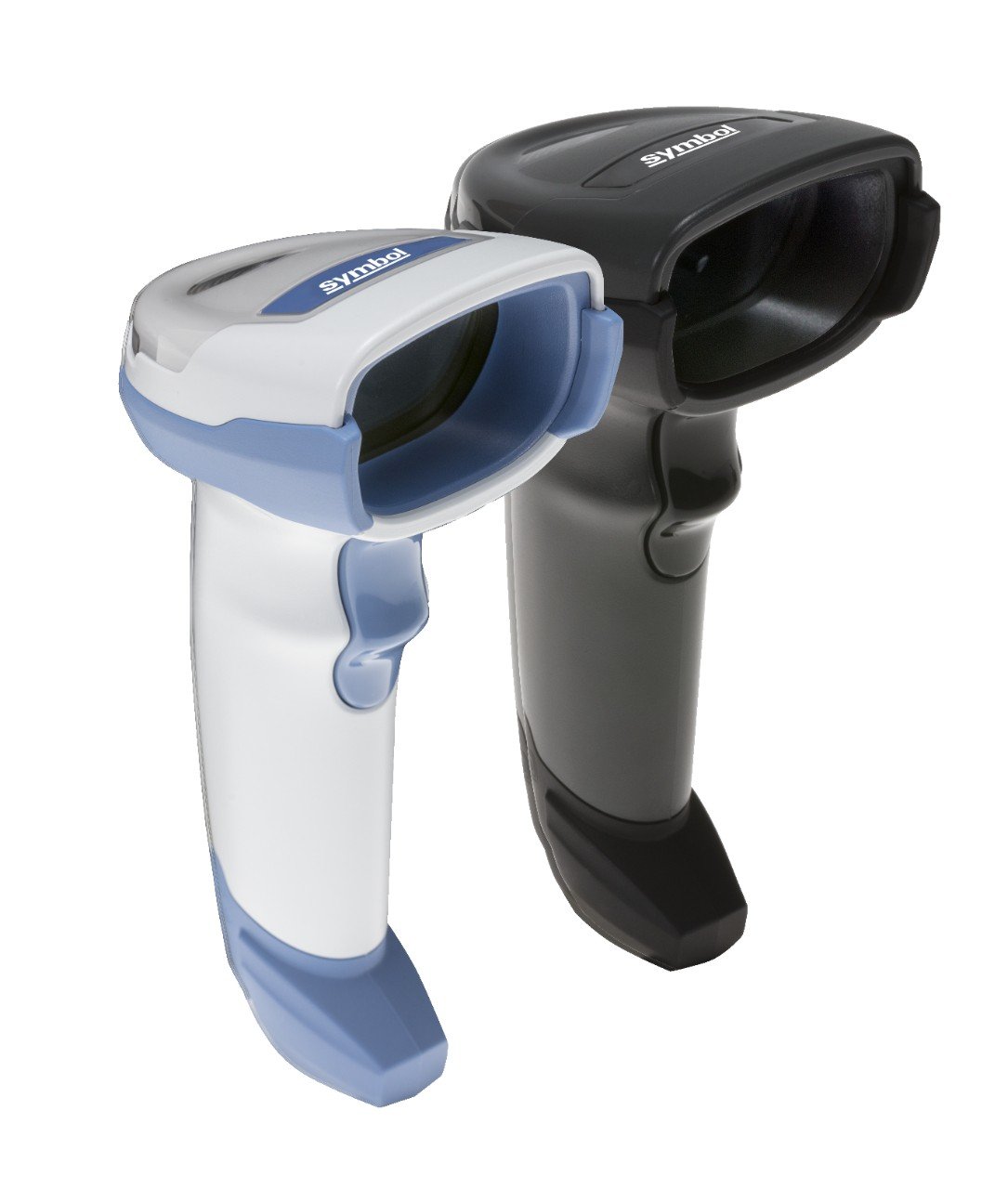
Genuine codes follow a known route. A code scanned in a place it should never reach, or scanned twice, is a warning. Handheld scanners at checkpoints let staff verify items quickly and flag doubtful ones.
Other industries use the same idea; see track and trace applications by industry.
Keeping compliance records ready
Many sectors must keep traceability records for a set period. Check the rules that apply to your products and keep the data in a searchable, access-controlled system, so the report is ready when an inspector or customer asks.
Building recall readiness with Suraj Informatics
Suraj Informatics provides track and trace systems that connect barcode and RFID scans to a central record. We map your packing and dispatch points, choose the devices and set up reports for recalls and audits. Contact us to review your current traceability.
Track and trace for recalls: common questions
Can a track and trace system prevent a recall?
No, but it can limit its scope. It shows which units are affected, so you act on those instead of everything.
Do I need RFID, or are barcodes enough?
Barcodes are enough for many products. RFID helps where items must be read without line of sight or in bulk.
How does it help against counterfeits?
Each genuine code has a known history. Codes that appear in the wrong place or twice can be flagged.
Where should I begin?
Start with one product line, record batch and dispatch events, and test a mock recall before extending.
Talk to our traceability team
Tell us about your products and how they move, and we will suggest a recall-ready tracing setup.