


A track and trace system follows goods, assets and shipments as they move, so a business always knows where something is and where it has been. The same idea is used very differently by a logistics company, a drug maker and a port. This article looks at track and trace applications by industry and the features each one needs most.
Key takeaways
- Track and trace combines identification (barcode, RFID, GPS) with software that records every movement.
- Logistics uses it for shipment visibility; manufacturing for materials and production stages.
- Pharma and healthcare use it for serialisation, cold chain and compliance.
- Retail and ports use it for inventory accuracy and container or cargo visibility.
Core features of a track and trace system
| Feature | What it does |
|---|---|
| Identification | Barcodes, RFID tags or GPS devices give each item, pallet or vehicle a unique ID |
| Real-time tracking | Scans and location updates show where goods are now |
| History and genealogy | Every movement is recorded, so the full path can be traced back |
| Sensors | Temperature and humidity readings protect sensitive goods |
| Alerts | Warnings for delays, route deviations or condition breaches |
| Reports and integration | Data shared with ERP, WMS or customer portals |
For the basics, read how a track and trace system works.
Logistics and supply chain
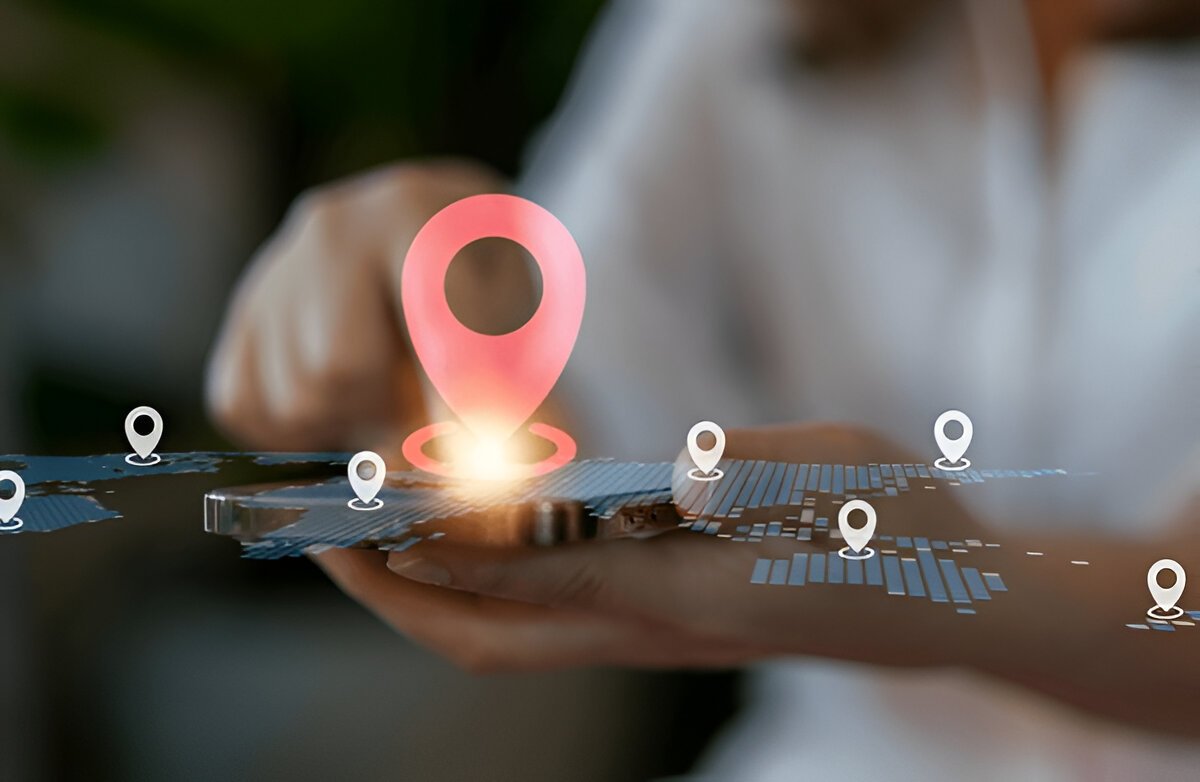
Logistics companies use track and trace to show live shipment status, prove delivery and find delays early. GPS on vehicles, scans at hubs and electronic proof of delivery replace phone calls and manual updates.
Manufacturing

In manufacturing, track and trace links raw material batches to work orders and finished products. If a quality issue appears, the affected batches can be found quickly. It also shows work in progress and reduces lost material on the shop floor.
Pharma, healthcare and retail
Pharmaceutical companies use serialisation, giving every pack a unique code, so products can be authenticated and traced through the supply chain. Cold-chain sensors record temperature for vaccines and medicines. Hospitals track equipment so it can be found when needed. Retailers use track and trace to keep stock accurate across stores and warehouses and to reduce loss.
Ports and terminals
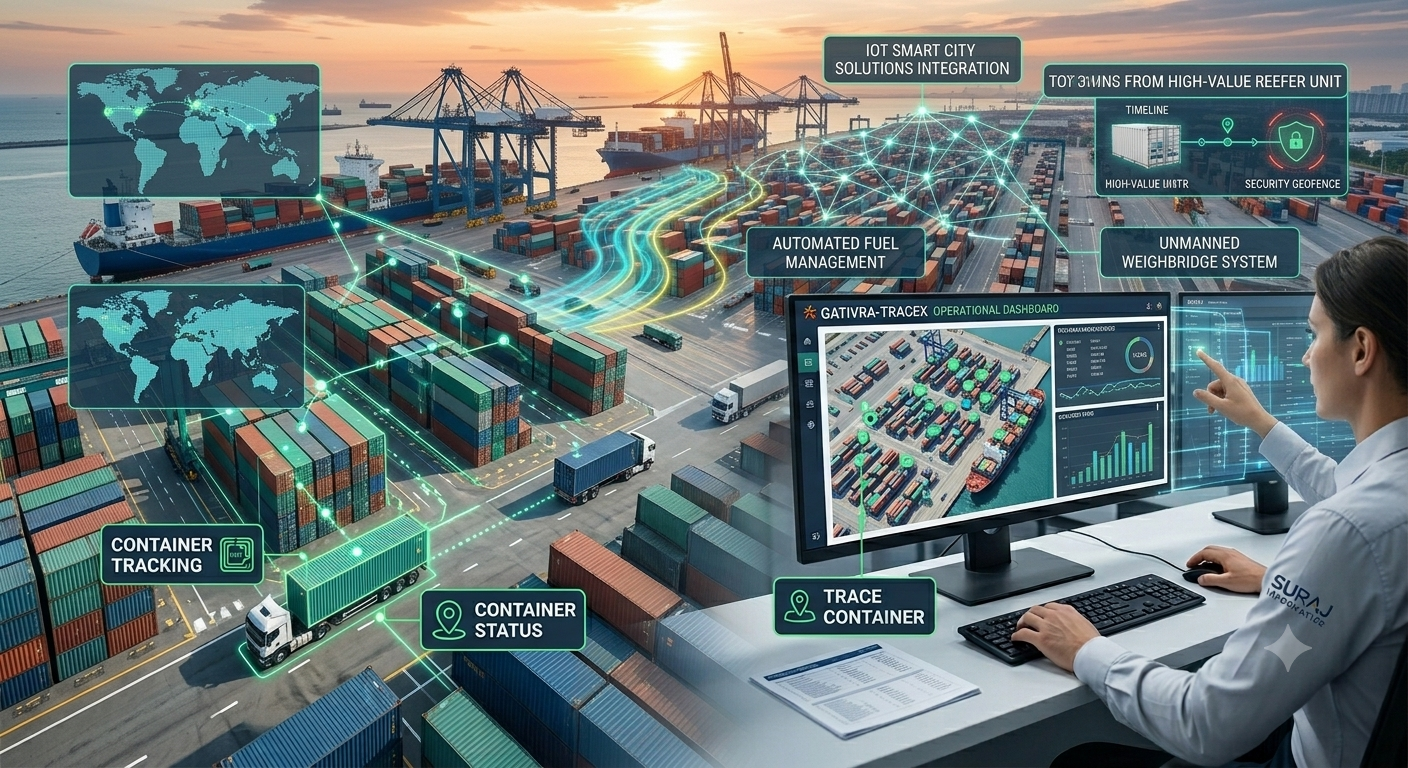
At ports, track and trace follows containers from gate-in to vessel loading using OCR, RFID and yard systems. Terminal teams and customers can see container status without calling the terminal. See how this fits in a port automation roadmap.
| Industry | Most important features |
|---|---|
| Logistics | GPS, hub scanning, proof of delivery, customer portal |
| Manufacturing | Batch genealogy, work-in-progress tracking, ERP links |
| Pharma and healthcare | Serialisation, cold-chain monitoring, audit trails |
| Retail | Inventory accuracy, store and warehouse visibility |
| Ports and terminals | Container OCR, RFID, yard and gate events |
Suraj Informatics delivers track and trace systems with barcode, RFID and software integration.
Track and trace applications: common questions
Which industries use track and trace?
Logistics, manufacturing, pharma and healthcare, retail, food, and ports and terminals are the most common users.
Barcode or RFID for track and trace?
Barcodes are low cost and widely used; RFID reads many items at once without line of sight. Many systems use both.
Can track and trace monitor temperature?
Yes. Sensors can record temperature and humidity for sensitive goods and raise alerts if limits are crossed.
Does track and trace connect to ERP?
Yes. Scan and location data is usually shared with ERP, WMS or customer systems.
Talk to our track and trace team
Tell us what you need to track and where, and we will suggest the right identification and software.