



IoT track and trace combines two questions: where is this item, and what has happened to it on the way? Location alone shows a delay, while sensors can also show a warm container or a door opened at the wrong time. This guide explains what sensors add and how to set up alerts people will act on.
Key takeaways
- IoT track and trace records location and condition for each shipment, asset or batch.
- Typical sensors measure temperature, humidity, shock and door opening.
- Alert rules should be few, clear and tied to a named person.
- Sensor readings need secure storage so the record can be trusted later.
What an IoT sensor adds to track and trace
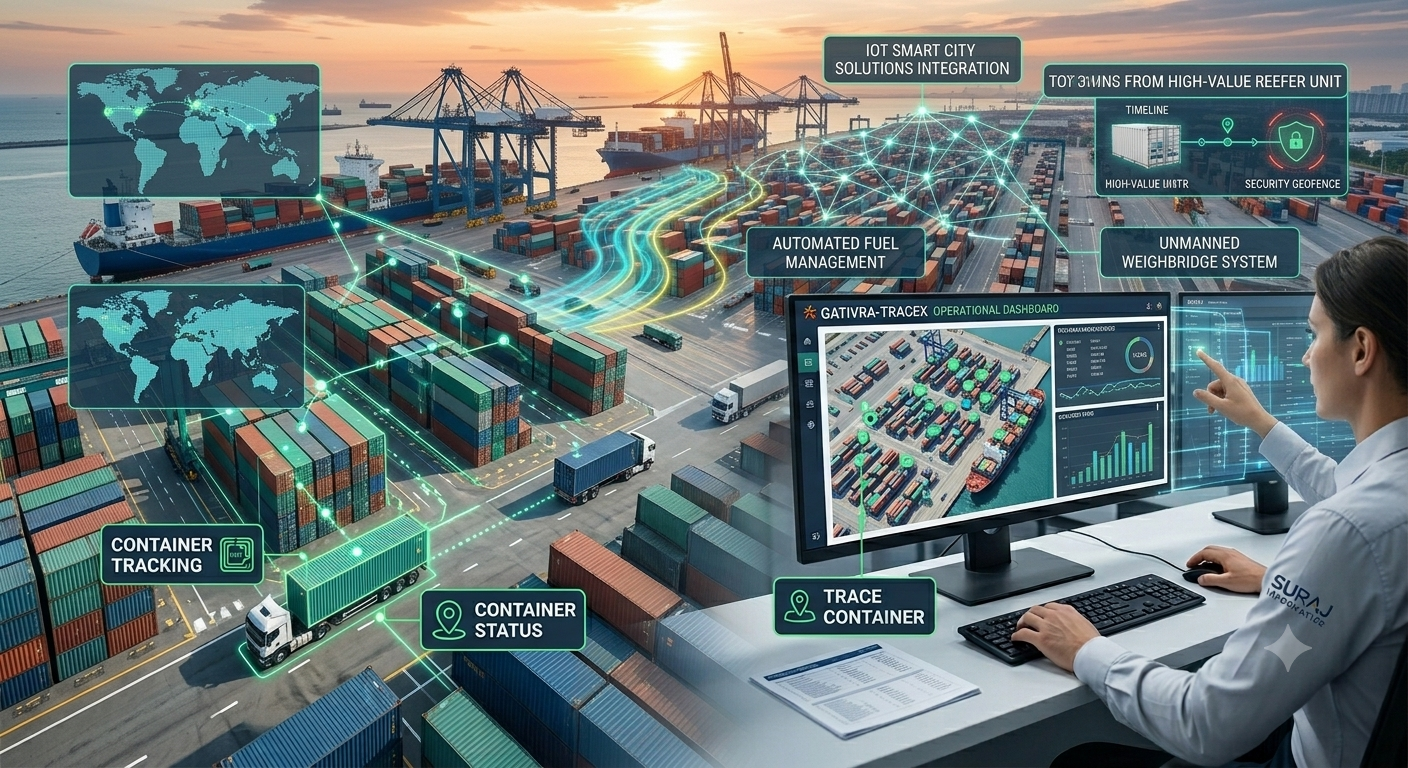
A basic track and trace record says an item reached a checkpoint at a certain time. An IoT sensor attaches a second record to it: the conditions the item experienced between checkpoints. Location can come from barcodes, RFID reads or GPS, while the sensor reports its readings through a gateway to the same platform. For the core idea, see how a track and trace system works.
Condition data worth recording in transit
Record only what affects the goods or the contract. Too many readings create noise and storage cost.
| Sensor | What it records | Where it helps |
|---|---|---|
| Temperature | Heat or cold during transit and storage | Medicines, food and chemicals |
| Humidity | Moisture around the goods | Electronics, paper and grain |
| Shock | Drops and rough handling | Fragile or high-value items |
| Door or seal | Opening events and time | Security and theft control |
| GPS position | Route between checkpoints | Long-distance road moves |
Setting alert rules that people can act on
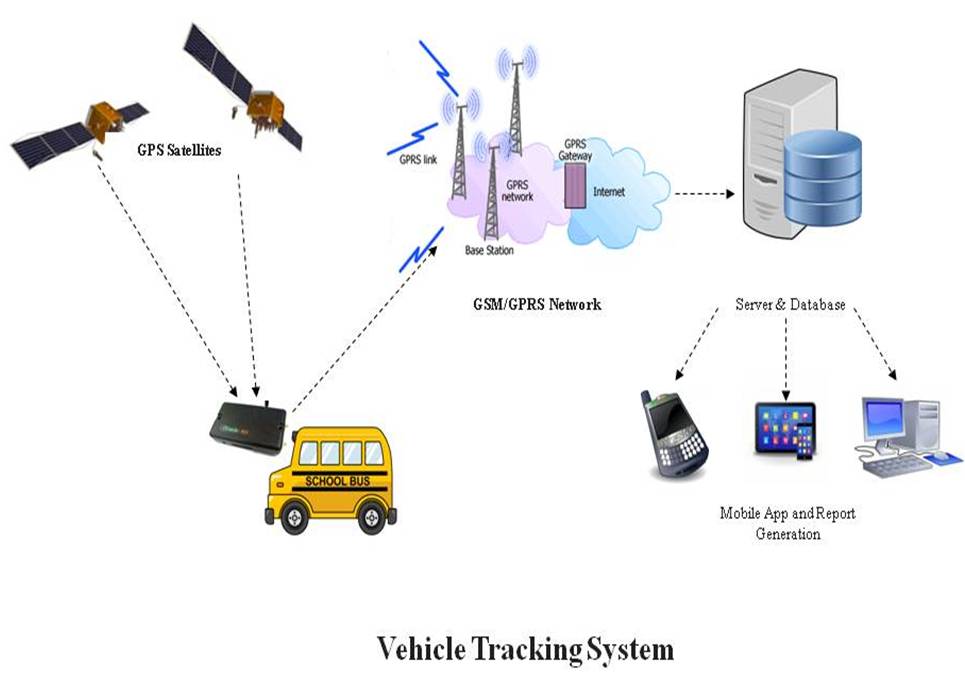
An alert is useful only if someone knows what to do with it. Start with a short list of rules, such as a temperature outside the allowed range or a stop away from the planned route. Name the person who receives each alert and the action they take. Review the list after a month and remove rules that nobody used. The diagram below shows how vehicle position data travels from the device to the dashboard.
Keeping sensor data secure and auditable
Sensor records may be needed later to settle a claim or show compliance, so they must not be easy to change. Use access control for who can view or edit, keep time-stamped logs, and back up the data. Devices should be registered, and unknown devices blocked from the network. More on use cases is in track and trace applications by industry.
Starting a condition-monitoring project with Suraj Informatics
Suraj Informatics designs track and trace systems that combine barcodes, RFID, GPS and sensors on one platform. We begin with the goods, the route and the conditions that matter, then recommend the devices and alert rules. Contact us to discuss your shipments.
IoT track and trace: common questions
What is IoT track and trace?
It is tracking with connected devices. Location data from scanners, RFID or GPS is combined with sensor readings such as temperature, so you see both where goods are and what condition they are in.
Do I need sensors on every item?
Not always. Many sites place sensors on containers, pallets or vehicles rather than on each item, and use barcodes or RFID for item-level identity.
Can sensor data be used as a record?
Yes, if it is stored securely with time stamps and access control, so changes are visible.
How do I start?
Pick one route or product with a clear condition risk, test the sensors there, and extend after reviewing the results.
Talk to our track and trace team
Tell us what you ship and which conditions matter, and we will suggest the right sensors and alerts.