

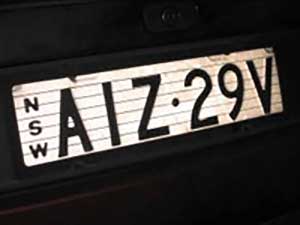

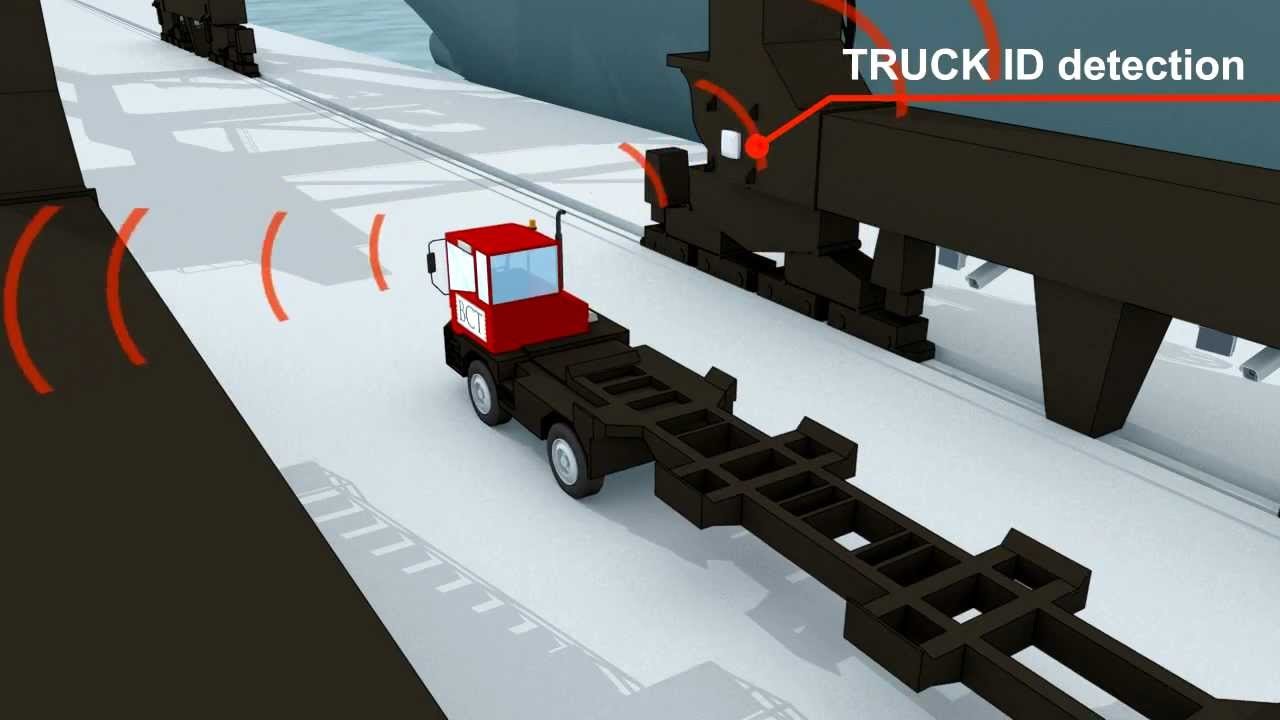
Gate OCR accuracy is the share of trucks whose plate and container number are read correctly without help from an operator. It looks simple on a brochure, but real gates have darkness, rain, glare and dirty numbers. This article explains what affects accuracy and how to test a system on your own lane before you rely on it.
Key takeaways
- Accuracy depends on lighting, camera position, the condition of the number and the lane, as well as the OCR engine.
- Test with your own trucks, at your own gate, across day, night and wet weather.
- Measure complete reads, unclear reads and wrong reads separately.
- Plan an operator screen for the reads that cannot be fixed by the camera.
What affects gate OCR accuracy
Four things decide most results. Light: shadows, glare and darkness change how the number looks. Position: if the camera angle is poor the number can be cut off or skewed. Condition: dirt, rust, damage and faded paint hide characters. Movement: a truck that is too fast or drifts out of the lane blurs the image. Read the layout guidance in gate OCR portal camera layout and lane hardware for how to control the first two.
Night, rain and dirty numbers
At night the camera needs its own light, because street lighting varies. In rain, water on the lens and on the container reflects light and can hide characters, so the housing, hood and cleaning plan matter. Dirty or damaged numbers may never be read perfectly, and no honest supplier should promise that they will.

How to test accuracy before you accept a system
Run a trial on your own lane. Record every truck for several days that include day, night and wet weather. Compare the system output with a human check of the same images.
- Choose a sample that covers different trucks, container colours and conditions.
- Record the system read and the true number for each truck.
- Count correct reads, unclear reads flagged for review, and wrong reads that passed as correct.
- Repeat in night and rain, and again after cleaning and adjustment.
- Set the acceptance rule in the contract, including how exceptions are handled.
A system that flags an unclear read is usually better than one that guesses wrongly.
Handling the reads the camera cannot fix
Give the operator a screen that shows the images and the suggested number so a correction takes seconds. Keep a log of corrected reads, because it shows which cameras or lanes need attention. See gate OCR system efficiency and accuracy for how exceptions fit the gate process.
Gate OCR trials with Suraj Informatics
Suraj Informatics installs gate OCR and automation for terminals, depots and plants, with lane design and lighting planned for local conditions, and supports trials on your own lane.
Gate OCR accuracy: common questions
What is a good gate OCR accuracy?
It depends on the site and the conditions. Agree a target in writing and measure it on your own lane rather than relying on a general figure.
Why do reads fail at night?
Usually because lighting is uneven. Controlled lighting at the portal fixes most night problems.
Can dirty container numbers be read?
Often, but not always. Faded or damaged numbers should be flagged for an operator to confirm.
How long should an accuracy trial last?
Long enough to include day, night and wet weather and the main truck and container types you handle.
Talk to our gate automation team
Tell us about your gate lanes and daily truck volumes, and we will suggest the right gate OCR setup.