

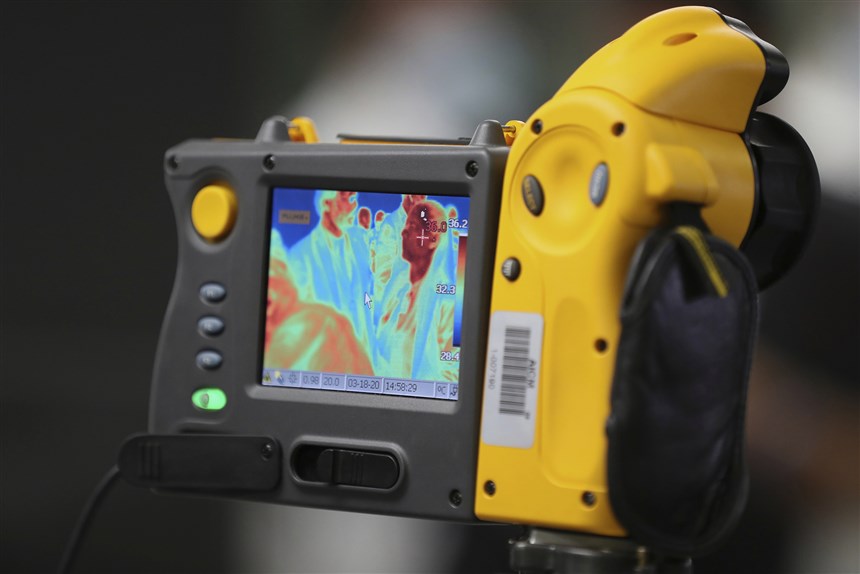

A thermal camera for fever detection measures the skin temperature of people as they walk past, without contact, and flags anyone above a set threshold for a second check. These systems became common during COVID-19 and are still used at airports, hospitals, offices and factories. This guide explains how fever detection cameras work, how accurate they are, where they are used and what to look for when choosing one.
Key takeaways
- Thermal fever cameras measure skin temperature from a distance, with no contact.
- They are screening tools: anyone flagged should be checked with a clinical thermometer.
- Accuracy improves with a blackbody reference, correct distance and a stable indoor setting.
- AI software can screen several people at once, raise alerts and check for masks.
How a thermal camera for fever detection works
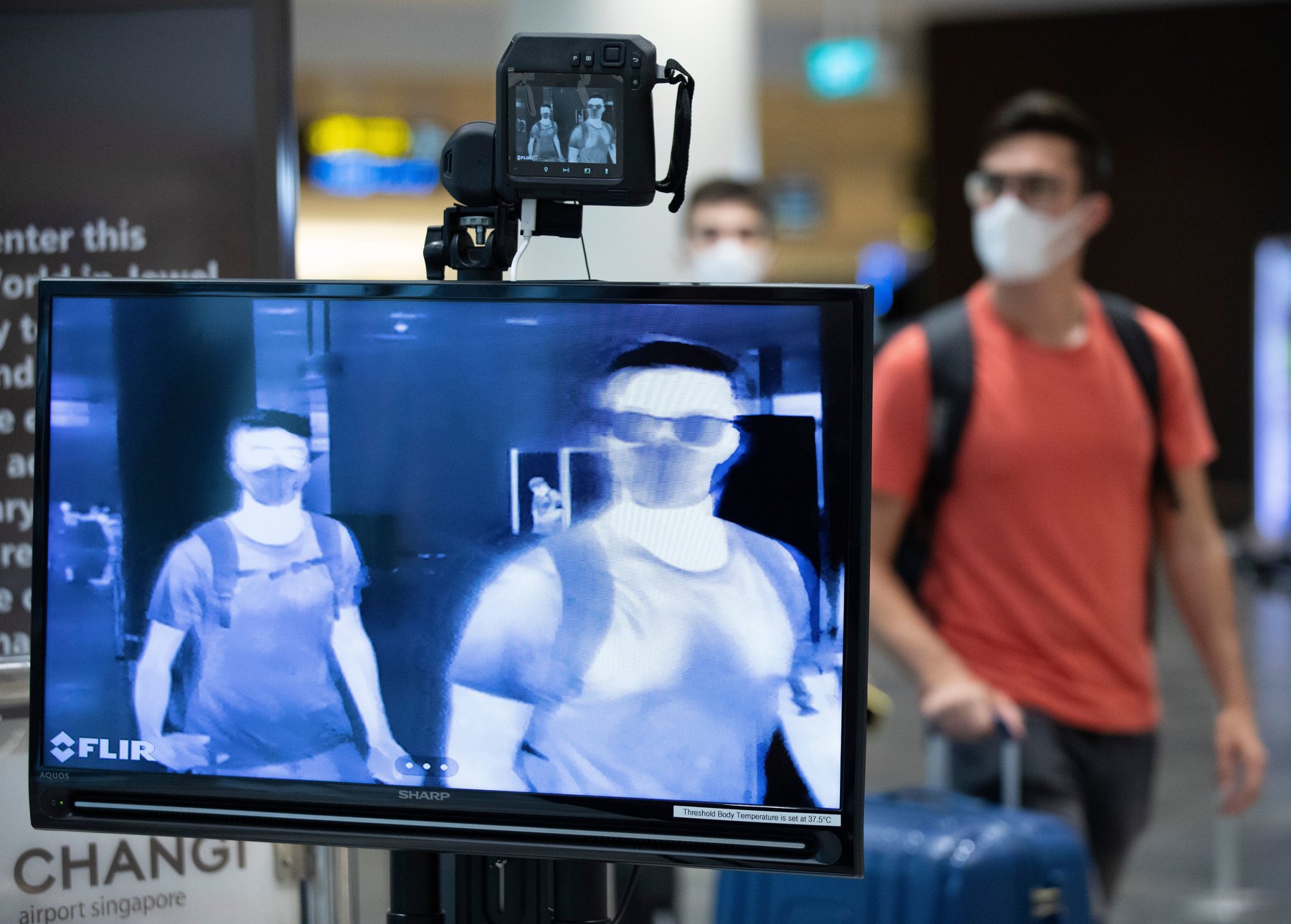
Every person gives off infrared energy. A thermal camera turns this energy into an image in which each pixel has a temperature value. Fever screening software finds faces in the image, reads the temperature of the warmest area, usually near the inner corner of the eyes, and compares it with a threshold set by the operator.
Many systems combine the thermal sensor with a normal visible camera, so staff can see who has been flagged. AI software adds face detection, mask detection and instant alerts, and can screen several people in the field of view at the same time.
How accurate are fever detection cameras?
Thermal cameras measure skin temperature, which can differ from core body temperature. Accuracy depends on the camera and on how it is installed. Well-designed systems typically reach around ±0.3 to ±0.5°C when used with a blackbody, a reference device kept at a known temperature in the camera’s view.
| Factor | Why it matters |
|---|---|
| Blackbody reference | Corrects drift and keeps readings consistent |
| Distance and angle | People should face the camera at the distance it was calibrated for |
| Environment | Wind, direct sun and sudden temperature changes affect readings |
| Acclimatisation | People coming in from heat or cold may need a short wait before screening |
| Second check | Anyone flagged should be re-measured with a clinical thermometer |
Where thermal fever screening is used
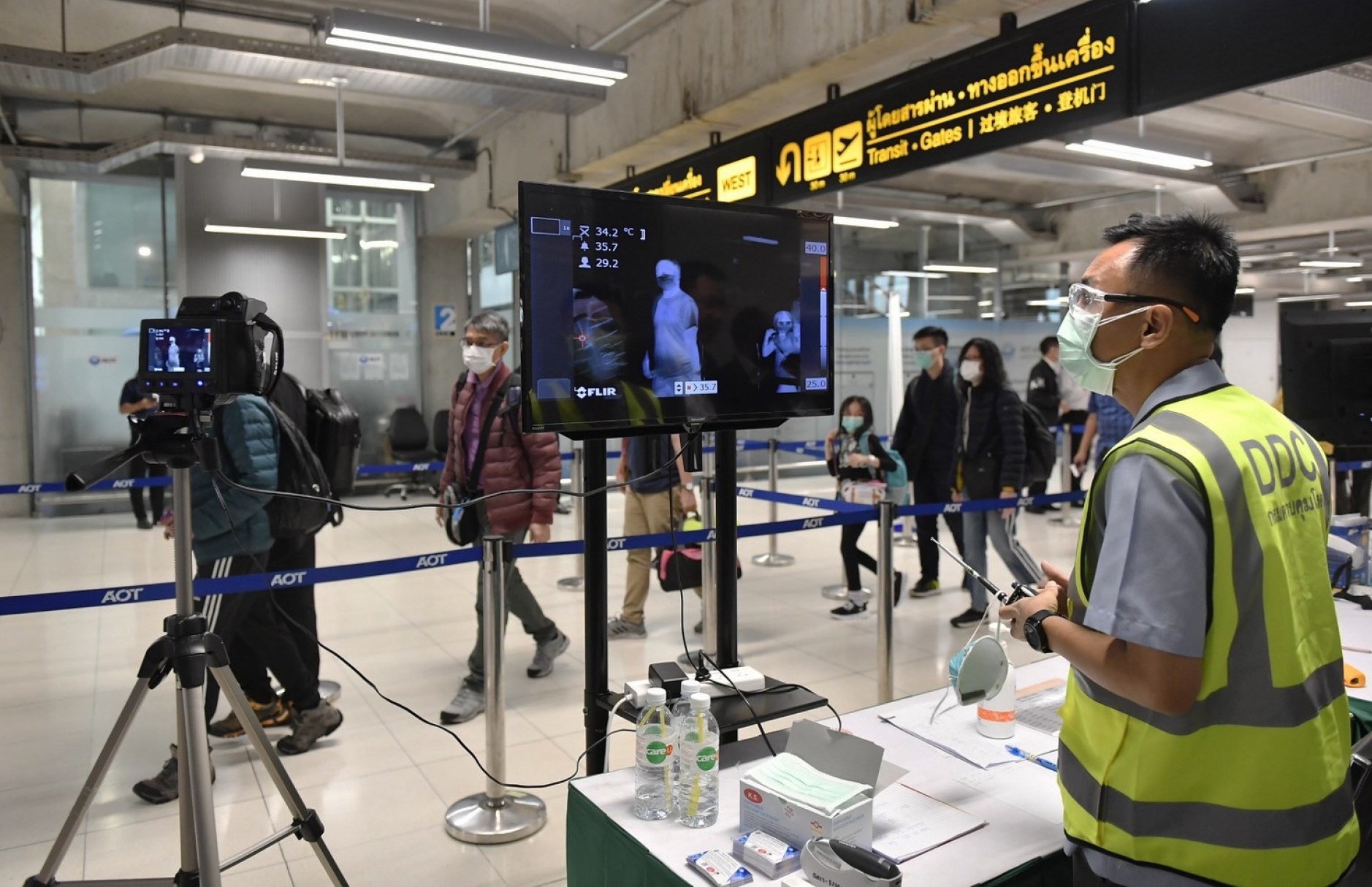
- Airports, railway and metro stations where many people pass quickly.
- Hospitals and clinics at entrances and waiting areas.
- Offices, factories and warehouses at staff entry points.
- Malls, hotels and event venues for visitor screening.
- Schools and public buildings where contactless checks are preferred.
How to choose a fever detection camera
- Check accuracy. Look for a stated accuracy with a blackbody, and ask how it was tested.
- Match the throughput. Choose a camera that can screen the number of people passing at your entrance.
- Plan the location. Install indoors, away from doors, windows and direct sunlight.
- Set the alert process. Decide who does the second check and how alerts are handled.
- Respect privacy. Agree how images and temperatures are stored, and for how long.
Thermal screening solutions from Suraj Informatics
Suraj Informatics provides human body temperature and thermal screening solutions for offices, plants, hospitals and public spaces in India, including thermal cameras and screening software. These can be combined with access control and video surveillance at entry points.
Thermal camera for fever detection: common questions
Can a thermal camera diagnose fever or COVID-19?
No. It is a screening tool that finds people with a raised skin temperature. Anyone flagged should be checked with a clinical thermometer and, if needed, by a medical professional.
What is a blackbody in fever screening?
A blackbody is a reference device held at a fixed temperature in the camera’s view. It helps the camera correct its readings and stay accurate.
Can it screen several people at once?
Yes. AI-based systems can detect several faces in the field of view and measure each person as they walk past.
Where should the camera be installed?
Indoors, at a steady temperature, away from doors, windows and direct sunlight, with people facing the camera at the recommended distance.
Talk to our thermal screening team
Tell us about your entrances and daily visitor numbers, and we will suggest the right screening setup.