




Thermal screening at entry points uses a camera that shows surface temperature, so staff can pick out people for a second check. It is a screening aid, not a medical test and not a diagnosis. This guide explains what it can show, what it cannot, where to place it and how to handle privacy.
Key takeaways
- Thermal screening at entry points flags people for a second check; it does not diagnose anything.
- Surface temperature is not the same as core body temperature.
- Placement, lighting and a short queue pause affect how useful the readings are.
- Decide in advance what is stored, who sees it and how long it is kept.
What thermal screening at an entry point does
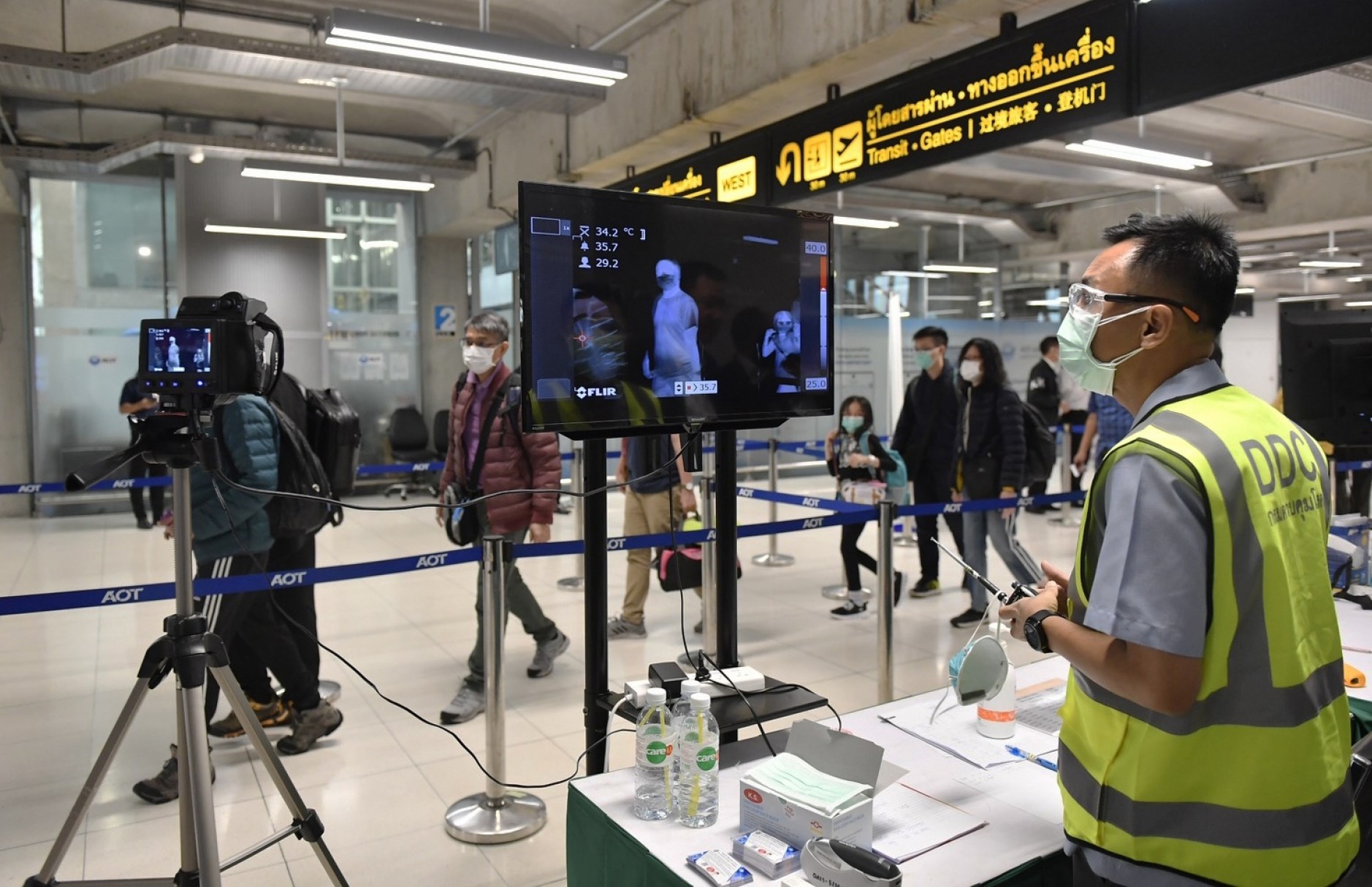
A thermal camera measures the heat given off by surfaces and shows it as a colour image. At an entrance, staff watch for faces that read warmer than the rest of the group and ask those people to step aside for a second check with a handheld thermometer.
The camera narrows the field. A person then makes the call. Our earlier guides cover how a thermal camera works and how to set up a screening point.
What it cannot tell you
Thermal screening reads skin surface temperature. It cannot tell you why a reading is high, and a normal reading does not prove a person is well. Sun, heat, exercise, drafts and hats all change what the camera sees.
| It can | It cannot |
|---|---|
| Show surface temperature quickly | Diagnose an illness |
| Flag people for a second check | Replace a health professional |
| Keep a lane moving | Guarantee everyone is well |
Placing the camera and the queue
Place the camera indoors if you can, away from direct sun, open doors and air vents, and let people stand in the space for a few minutes before screening. Keep the distance and angle the supplier recommends, ask people to remove caps and glasses if needed, and give staff a clear spot for second checks that does not block the entrance.
Privacy and data handling
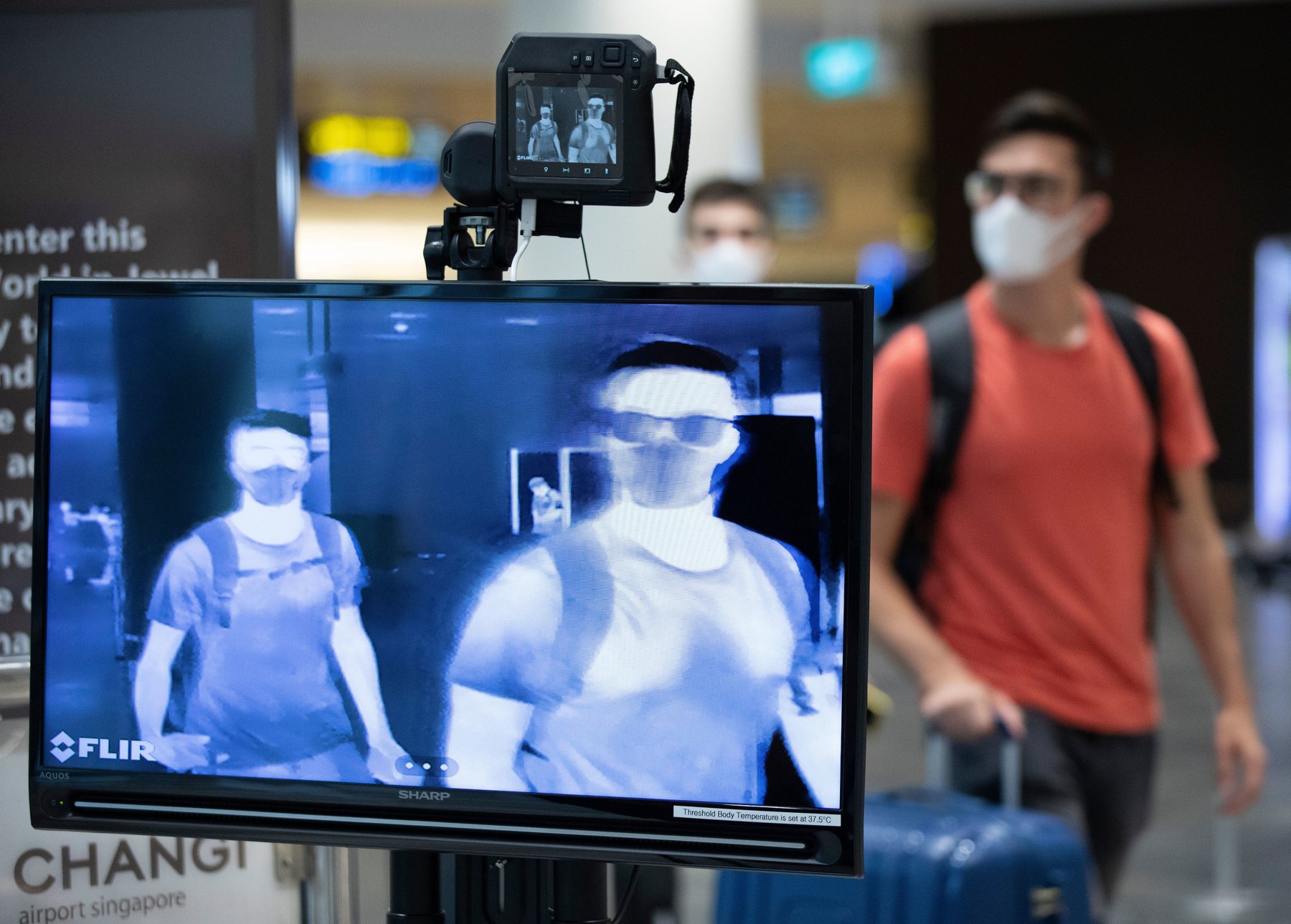
Thermal images of people are personal data in many settings. Tell visitors that screening is in use, store as little as you can, restrict who can view the screen and set a clear deletion period. Follow your organisation’s policy and local guidance, and record what staff should say when someone is flagged.
Planning entry-point screening with Suraj Informatics
Suraj Informatics provides intelligent video surveillance and can advise on where thermal screening fits at your entrances, along with placement and a privacy-minded setup. For the data side of cameras, read intelligent video surveillance: analytics and privacy.
Thermal screening at entry points: common questions
Is thermal screening a medical test?
No. It is a screening aid. Anyone flagged needs a follow-up check by trained staff, and medical questions go to a health professional.
Does it work on a crowd?
Some systems can show several people at once, but results are more consistent when people pass one at a time.
Do I need to keep the images?
Only if you have a clear reason. Many sites show a live screen and store only alert events, if anything.
What affects readings?
Room temperature, sunlight, drafts, recent exercise and anything covering the face can all change the surface reading.
Talk to our video surveillance team
Tell us about your entrance and how people arrive, and we will suggest a screening setup and its limits.