

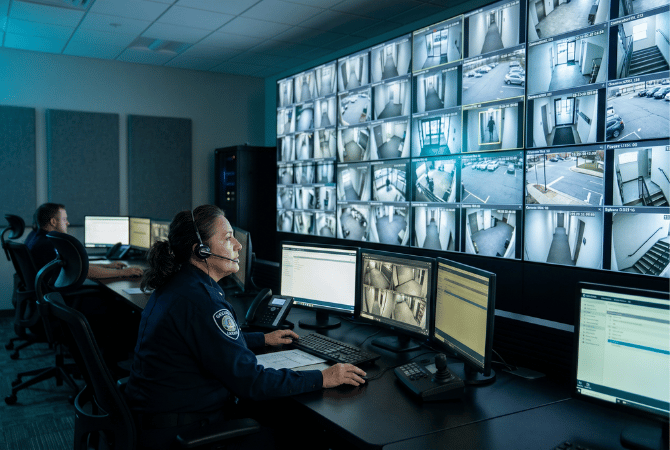

An intelligent video surveillance system (IVSS) uses AI to analyse camera footage as it happens, so security teams are alerted to events instead of searching through recordings later. The same power raises fair questions about privacy and accuracy. This article explains what IVSS can do, where it is used and how to deploy it responsibly.
Key takeaways
- IVSS analyses video in real time to detect and track people, vehicles and events.
- Common uses include perimeter alerts, number-plate recognition, crowd monitoring and traffic analysis.
- Accuracy depends on camera placement, lighting and how the analytics are tuned.
- Clear purpose, access control, retention limits and signage are the basis of responsible use.
How IVSS analyses video in real time
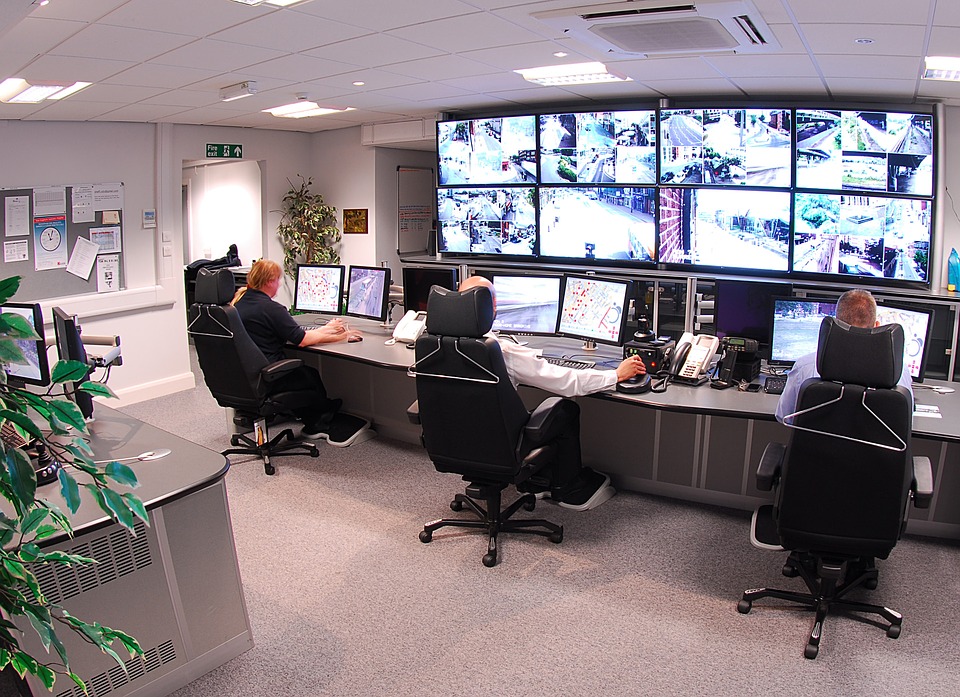
Each camera feed is processed by video analytics software. The software detects objects, follows them from frame to frame and checks them against rules, such as a person entering a restricted zone or a vehicle stopping where it should not. When a rule is met, an alert with a short video clip goes to the control room.
What IVSS can detect
| Capability | Typical use |
|---|---|
| Object and person detection | Intrusion alerts on perimeters and restricted areas |
| Number-plate recognition | Vehicle access, gate records and traffic enforcement |
| Object tracking | Following a person or vehicle across several cameras |
| Crowd analysis | Detecting crowd build-up in public spaces and transport hubs |
| Traffic analysis | Counting vehicles and spotting congestion or stopped vehicles |
For a closer look at features, see IVS features, uses and benefits and AI video analytics for plants and warehouses.
Accuracy: what affects the results

No analytics engine is perfect. Results depend on camera angle, resolution, lighting, weather and how well the rules are set. Recognition features such as face or plate recognition can be less reliable in poor conditions, and accuracy can vary between groups of people. That is why alerts should be reviewed by a trained operator before action is taken.
Using IVSS responsibly
- Define the purpose. Record why each camera and analytic is needed and do not use it for other purposes.
- Limit access. Only authorised staff should view live video, recordings and alerts.
- Set retention periods. Keep footage only as long as needed, then delete it automatically.
- Inform people. Use clear signage where cameras and analytics are in use.
- Follow the law. Check data-protection rules that apply to your site, such as the Digital Personal Data Protection Act in India.
- Review regularly. Audit alerts, accuracy and access logs.
Suraj Informatics designs, installs and supports intelligent video surveillance systems that connect to your existing cameras and security processes.
Intelligent video surveillance systems: common questions
What is an intelligent video surveillance system?
A camera system with AI video analytics that detects people, vehicles and events in real time and sends alerts.
Is IVSS the same as facial recognition?
No. Facial recognition is one optional feature. Many IVSS deployments use only object detection, intrusion zones and plate recognition.
How can privacy be protected?
By defining a clear purpose, limiting access, setting retention periods, using signage and following applicable data-protection law.
Does IVSS replace security staff?
No. It helps a smaller team watch more cameras, but people still review alerts and respond.
Talk to our video surveillance team
Tell us about your site and security goals, and we will suggest the right analytics and safeguards.