


Fever is often one of the first signs of an infectious illness, and it can appear before a doctor makes any diagnosis. A fever screening system with a thermal camera lets airports, hospitals and workplaces check large numbers of people quickly at the door. This guide explains why fever screening is used, how to set up a screening point and how to run it properly.
Key takeaways
- A clinical thermometer is the only way to confirm a fever; thermal cameras are for screening.
- Thermal screening checks many people quickly without contact.
- A good screening point needs the right location, a reference and a second-check process.
- Airports, hospitals, offices and plants use fever screening at entrances.
Why fever screening is used

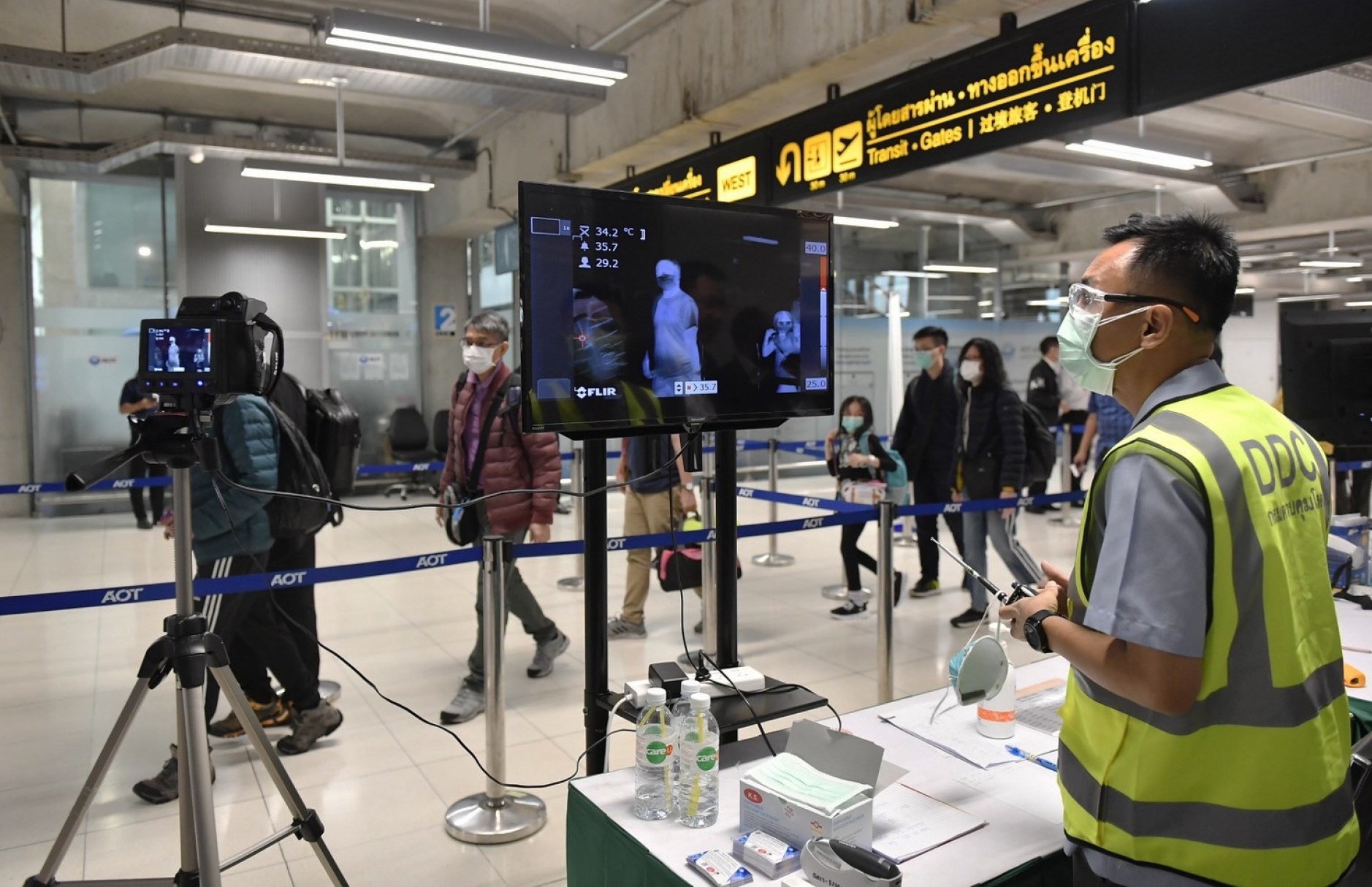
Infectious diseases can spread quickly, as the COVID-19 pandemic showed. Checking every person with a medical thermometer is slow in a crowd, and self-reporting is unreliable. Thermal fever screening lets airports, hospitals and large workplaces measure skin temperature quickly and send anyone with a raised reading for further checks.
How to set up a fever screening point
- Choose the location. Indoors, at a steady temperature, away from doors, windows and direct sunlight.
- Fix the distance. Mark where people should stand or walk so they face the camera at the right distance.
- Add a reference. Use a blackbody or the camera’s recommended reference to keep readings stable.
- Set the threshold. Agree the alert temperature with your medical or safety advisers.
- Arrange the second check. Have a trained person and a clinical thermometer ready for anyone flagged.
Running the screening point well
- Allow acclimatisation: people coming in from heat or cold may need a short wait.
- Keep the flow single-file so each face is measured clearly.
- Remove obstructions: hats, glasses or hair over the forehead can affect readings.
- Protect privacy: store images and readings only as long as needed.
- Check the system daily against its reference.
Where fever screening systems are used
| Location | Why screening helps |
|---|---|
| Airports and stations | Screens arriving and departing passengers quickly |
| Hospitals and clinics | Checks visitors and patients at entrances |
| Offices and plants | Screens staff and visitors at shift start |
| Hotels, malls and events | Contactless checks for large crowds |
For how thermal cameras measure temperature and how accurate they are, read our guide to the thermal camera for fever detection.
Thermal screening from Suraj Informatics
Suraj Informatics provides human body temperature and thermal screening solutions for entrances at offices, plants, hospitals and public places in India. For enquiries, email sales@surajinformatics.com.
Fever screening systems: common questions
Does a fever screening camera diagnose illness?
No. It only flags people with a raised skin temperature. A clinical thermometer and medical advice are needed to confirm.
Where should the screening point be placed?
Indoors, away from doors, windows and sunlight, where people can face the camera one at a time.
How many people can be screened?
It depends on the system. Many cameras screen people as they walk past, so queues stay short.
What happens when someone is flagged?
They are asked to step aside for a second check with a clinical thermometer by trained staff.
Talk to our thermal screening team
Tell us about your entrances and visitor numbers, and we will suggest the right screening setup.