




Intelligent video surveillance only helps if people trust its alerts. When a system raises too many video surveillance false alarms, operators begin to ignore it. The fix is rarely a new camera. It is usually better scene setup, careful rule settings and a habit of reviewing alarms.
Key takeaways
- Most false alarms come from the scene: shadows, insects, lights and moving foliage.
- Set zones, size limits and time rules before enabling an alert.
- Review dismissed alarms every week and adjust the rules.
- Camera position and lighting matter as much as the software.
Why false alarms happen
Analytics looks for movement and shapes. It can mistake headlight sweeps, rain, swaying branches, insects near the lens and reflections for people or vehicles. If the same cause triggers alerts every night, staff stop reacting. Understanding the cause is the first step to removing it.
Tuning the scene before the rule
Start with the view. Aim the camera so the detection area avoids trees, flags and busy roads. Add lighting where the scene is dark, and trim or move anything that moves in the wind. See how intelligent video surveillance differs from basic CCTV for the camera-side differences.
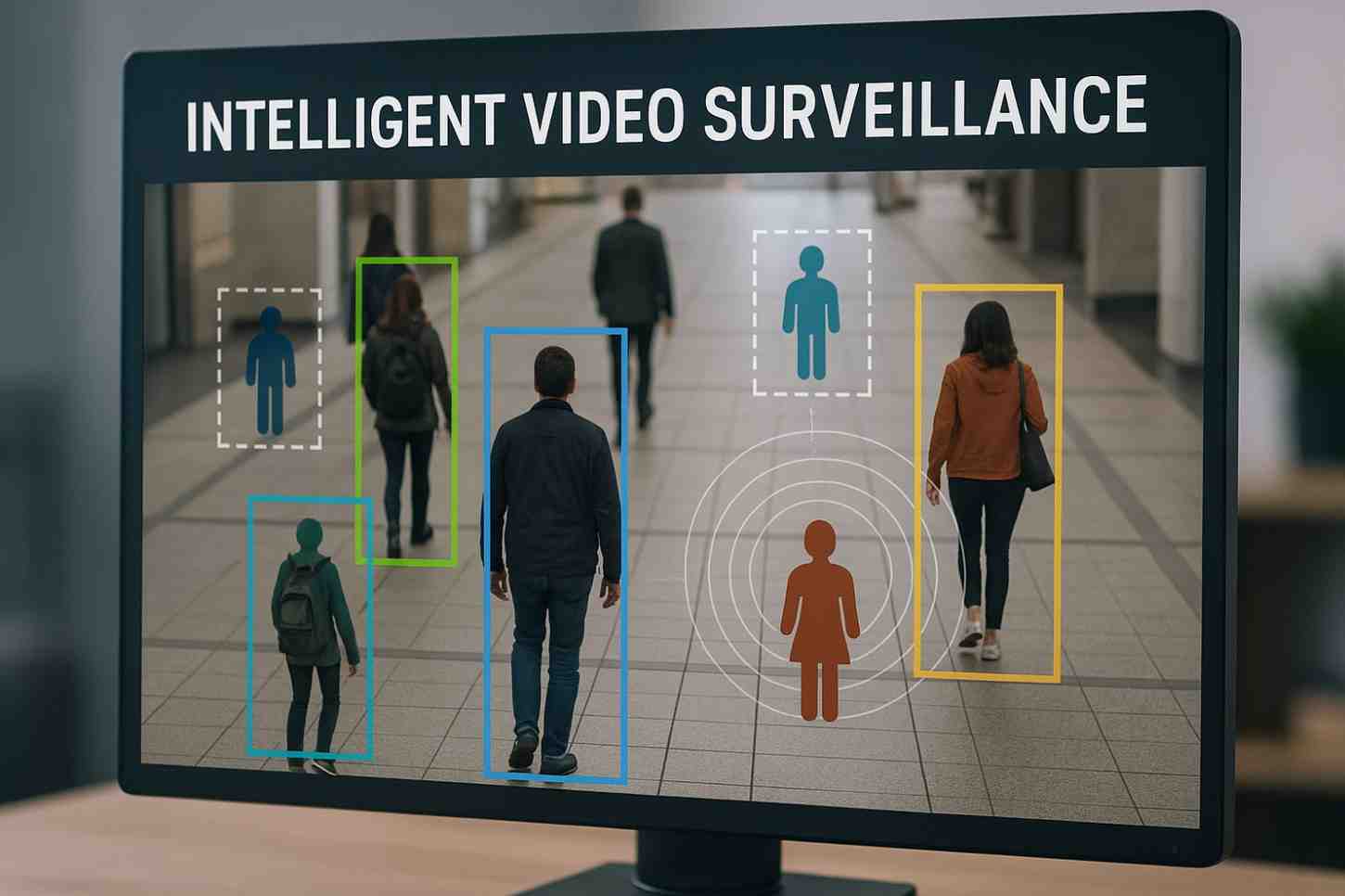
Rule settings worth adjusting
After the scene is stable, adjust the rule itself.
| Setting | What it changes |
|---|---|
| Detection zone | Limits alerts to the area that matters, such as a fence line |
| Minimum object size | Ignores small movements such as birds or insects |
| Dwell time | Waits a few seconds before raising a loitering alert |
| Schedule | Turns rules on only when the area should be empty |
| Direction | Alerts only for movement across a line in one direction |
Read loitering, intrusion and breach alerts for typical rule types.
Reviewing alarms to improve over time
Ask operators to mark every alarm as real, false or unclear and add a short reason. Once a week, look at the false alarms with the most repeats and fix the cause. Our note on the IVS control room and alarm handling describes this routine.

Setting up intelligent video surveillance with Suraj Informatics
Suraj Informatics designs and supports intelligent video surveillance for plants, ports and warehouses. We can review your current alerts and suggest changes to the scene and the rules.
Reducing false alarms: common questions
Can false alarms be removed completely?
No, but good scene setup and rule tuning reduce them to a level operators can handle.
Does a better camera fix false alarms?
Sometimes, but position, lighting and rule settings usually matter more.
How often should rules be reviewed?
Weekly at first, then monthly once alerts are stable.
Who should adjust the rules?
A trained person who knows the site, with guidance from the system supplier.
Talk to our video surveillance team
Tell us what triggers your false alarms, and we will suggest changes to the scene and rules.