

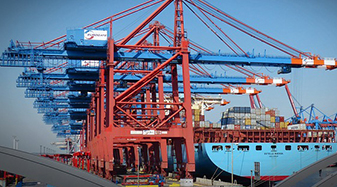

Many terminals still rely on checkers who stand beside or beneath the crane and note each container number by hand. The method works but is slow, exposes people to risk and depends on how alert the checker is. Crane OCR solutions for marine terminals read the number automatically as the container moves. This guide compares the two methods across speed, accuracy, safety and cost.
Key takeaways
- Manual checkers record each move by eye and radio or tablet; OCR records it with cameras.
- OCR reduces typing and misreading errors and keeps images as proof.
- Moving people away from the crane improves safety.
- OCR still needs exception handling, so a few staff remain in the control room.
How manual checking works
A checker watches each lift, reads the container number and enters or calls it in. Long numbers, bad light, rain and noise all make errors more likely, and a missed move means a gap in the record. The job also puts people close to moving cranes and vehicles.
How crane OCR works instead
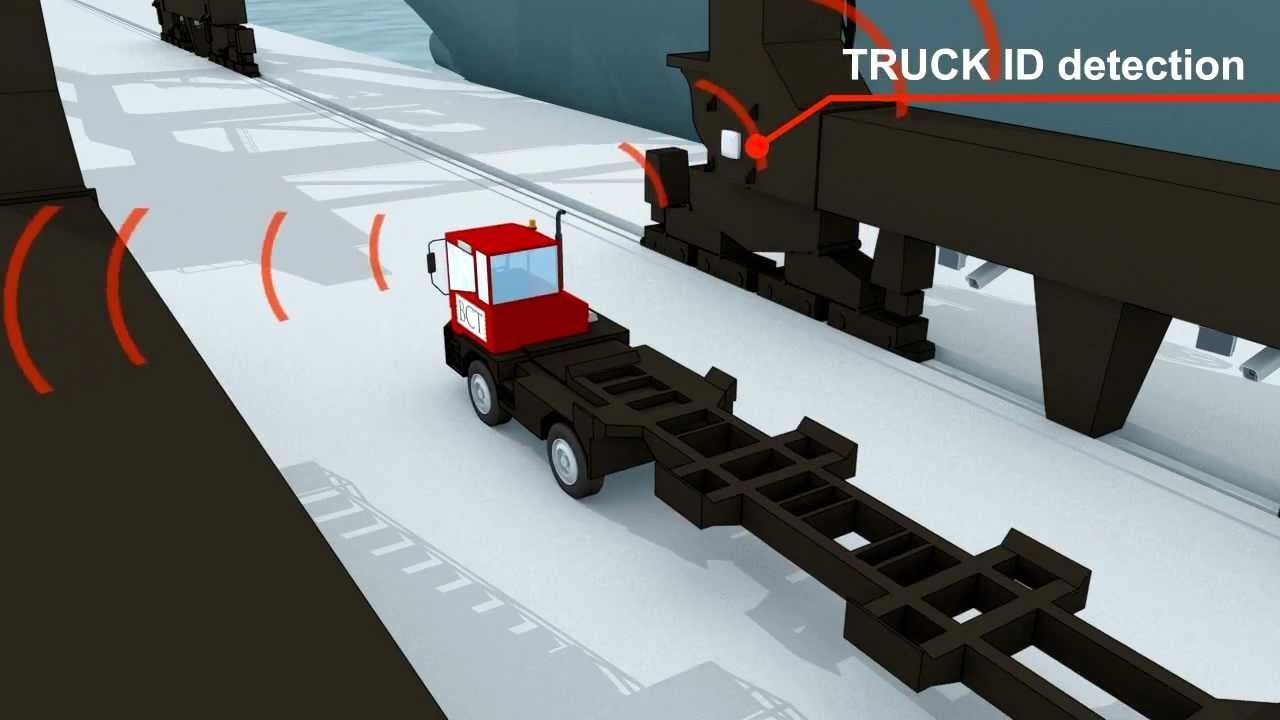
Cameras on the crane capture the container as it is lifted, software reads the ID and the result goes to the terminal system with an image. See what data crane OCR captures for the full list.
Side-by-side comparison
| Measure | Manual checker | Crane OCR |
|---|---|---|
| Speed of recording | Depends on the checker | Automatic on every move |
| Accuracy | Prone to misreading and typing errors | Consistent reads with check-digit validation |
| Evidence | Notes or radio calls | Image stored with each move |
| Safety | Person near the crane | No one needed under the crane |
| Night and weather | Harder for people | Needs good lighting; cameras are not affected by fatigue |

Making the switch
Most terminals keep a small team to check exceptions and to confirm reads at first. Start on a few cranes, compare OCR with manual records for a period and then extend. Safety benefits are covered in moving checkers away from the crane.
Replacing manual container checks with Suraj Informatics
Suraj Informatics provides crane OCR solutions for marine terminals that record each container automatically and pass the data to your TOS. See also crane OCR damage records.
Crane OCR vs manual checking: common questions
Is crane OCR more accurate than manual checking?
It reads the number the same way every time and validates it, which cuts misreading and typing errors.
Does OCR remove the need for all checkers?
Not all. A few staff handle exceptions and confirm reads, usually from the control room.
Is crane OCR safer?
Yes. It removes the need for people to stand under or beside the crane during lifts.
How do we compare the two methods?
Run OCR and manual checks together on a few cranes and compare the records.
Talk to our crane OCR team
Tell us about your cranes and current checking process, and we will suggest the right OCR setup.