


A track and trace system is only as good as its labels. Each item, carton or pallet needs a label that can be read quickly at every scan point. This guide compares barcodes, QR codes and RFID tags and explains how print quality and placement affect results.
Key takeaways
- The label gives an item its identity; scanners and software add the events.
- Barcodes, QR codes and RFID tags suit different items and scan points.
- Print quality and label position affect read rates as much as the code type.
- Follow any labelling rules that apply to your product or sector.
The label is the identity of the item
Every scan in a track and trace system starts by reading a label. The code links the physical item to a record that shows where it has been. If labels are missing, smudged or placed badly, the record has gaps, and gaps are hard to fill later.
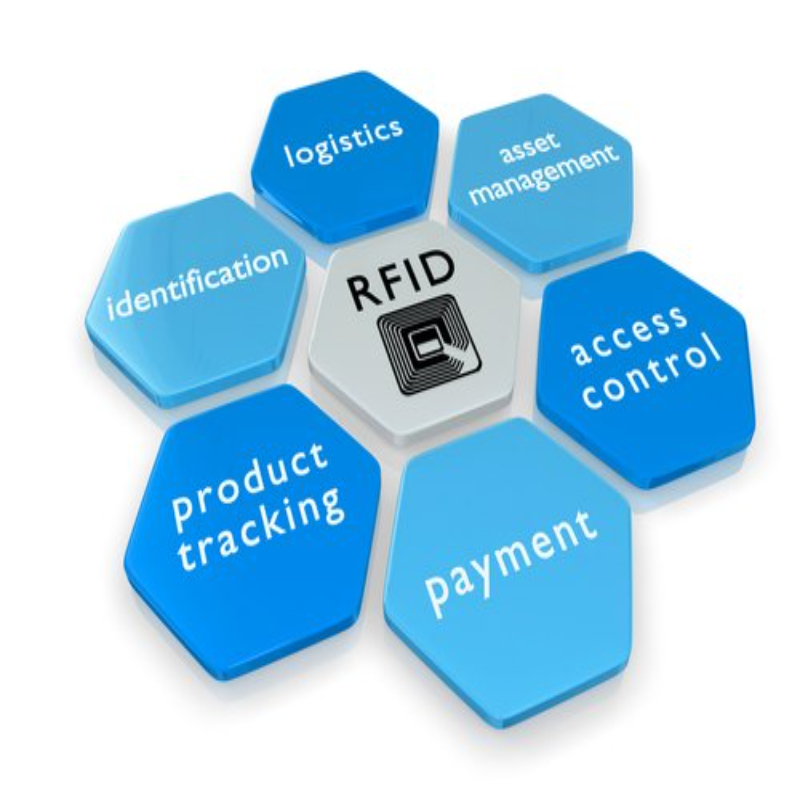
Barcode, QR code or RFID tag: how they differ
Choose by item type, scan distance and budget.
| Type | Strength | Limit |
|---|---|---|
| 1D barcode | Simple, low cost, widely supported | Needs line of sight, holds little data |
| QR or 2D code | Holds more data, can be read from a phone | Needs clear print and line of sight |
| RFID tag | Reads without line of sight, several at once | Tag cost and metal or liquid interference |
Where regulations apply, such as pharmaceutical serialisation, follow the required code format.
Label quality, print and placement
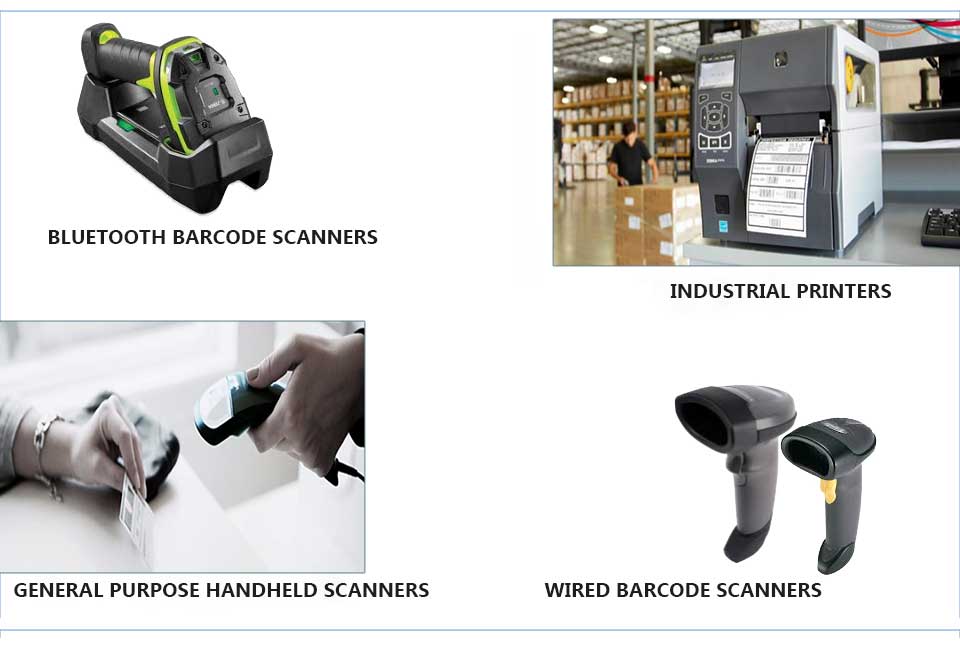
Test labels under real conditions. Check contrast, size, quiet space around the code and material that survives heat, damp and handling. Place labels where a scanner can reach them from the usual direction. A quick trial with the actual scanners tells more than a datasheet. See how a track and trace system works for the full flow.
Linking labels to events
Each scan should record what, where, when and by whom. Plan the scan points first, such as packing, loading, receiving and delivery, and decide what happens when a scan fails. For checkpoints and alerts, read supply chain track and trace checkpoints; for recalls, see recalls and counterfeit control.

Planning track and trace labelling with Suraj Informatics
Suraj Informatics provides track and trace systems with labels, scanners, RFID readers and software. Share your products and scan points, and we will help select the right label type.
Track and trace labels: short answers
Is RFID better than a barcode?
Not always. RFID reads without line of sight but costs more per item, so use it where it adds value.
Can I use QR codes for tracking?
Yes, if print quality and scan points suit them, and no sector rule requires another format.
How do I test a label?
Print samples and scan them with your own scanners in real conditions.
What if a label is damaged?
Plan a reprint process and a way to link the new label to the old record.
Talk to our track and trace team
Tell us about your items and scan points, and we will suggest a labelling approach.