


A real-time location system looks simple on paper, yet every site has its own walls, metal and workflows. An RTLS pilot tests the idea in one small area first. You learn what works, what does not and what the business gains, before you commit to the whole site. This guide shows how to plan a pilot that gives a clear yes or no.
Key takeaways
- An RTLS pilot tests tags, reference points and software in one zone.
- Pick one problem to solve, such as finding equipment or timing a process step.
- Set measures before the pilot starts so the results are not a matter of opinion.
- Use the result to decide whether to scale up, adjust or stop.
Choosing one problem for the pilot
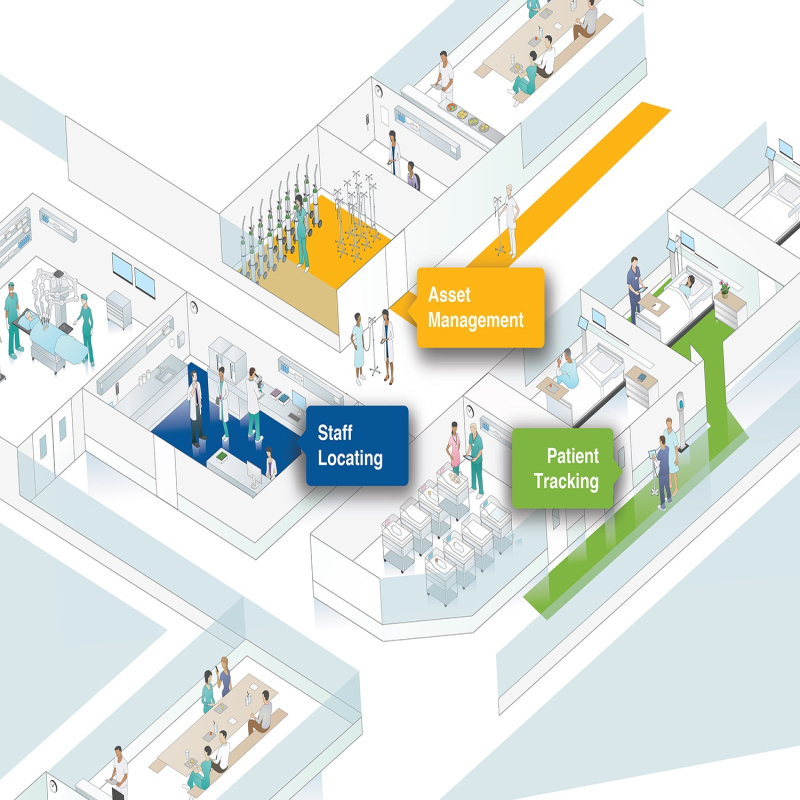
Start with a question that costs time or money today: staff searching for equipment, a bottleneck nobody can time, or wards and bays that are hard to audit. A clear question limits the number of tags and the area, and makes success easy to judge. For ideas, see RTLS use cases for assets, equipment and staff.
Mapping the pilot zone and tag plan
Walk the area with the installer and note walls, metal racks, machinery and wireless noise. Decide where reference points go, which assets or people carry tags, and how the tags are attached. Keep the zone small enough to monitor closely. The pilot usually runs on the same network and software that a full system would use, so the lessons carry over.
What to measure during the pilot
Write the measures down before tags go live.
| Measure | Question it answers |
|---|---|
| Detection | Are tags seen reliably in all parts of the zone? |
| Position quality | Is the location good enough for the task? |
| Time saved | Is searching or waiting shorter than before? |
| Staff use | Do people trust and use the screen? |
| Tag care | Are batteries and attachment practical? |
Deciding whether to scale up
Review the results with the people who used the system. If the pilot met its measures, extend zone by zone. If accuracy fell short, adjust reference points or choose another technology, as explained in RTLS technologies compared. If the value is unclear, stop and use what you learned. A full plan is covered in RTLS implementation: survey, tags, anchors and software.
Running an RTLS pilot with Suraj Informatics
Suraj Informatics supports RFID and RTLS projects from survey to pilot to rollout. Tell us what you want to locate and where, and we will propose a pilot zone, the equipment and the measures to track.
RTLS pilot projects: common questions
How long should an RTLS pilot run?
Long enough to cover normal shifts and busy periods. Agree the duration with your team before starting.
How big should the pilot zone be?
Small enough to manage closely, yet typical of the full site, including its harder spots.
Does a pilot cost much?
It is smaller than a full rollout, but scope varies. Ask for a written scope for the pilot area.
What if the pilot fails?
Treat it as a result. You learn the limits of the site or the technology before a larger spend.
Talk to our RTLS team
Describe what you want to locate and your site layout, and we will outline a pilot.