


Nobody can say exactly how port automation will look in ten years, and this guide does not try. It looks at the changes terminals are already acting on and gives practical steps for preparing, so you can make decisions from your own cargo and layout rather than from forecasts.
Key takeaways
- Many of the next changes are extensions of tools ports already use.
- Data sharing between systems matters more than any single machine.
- Cyber security and staff skills become part of everyday operations.
- Not every port needs the same level of automation.
Where port technology is already moving
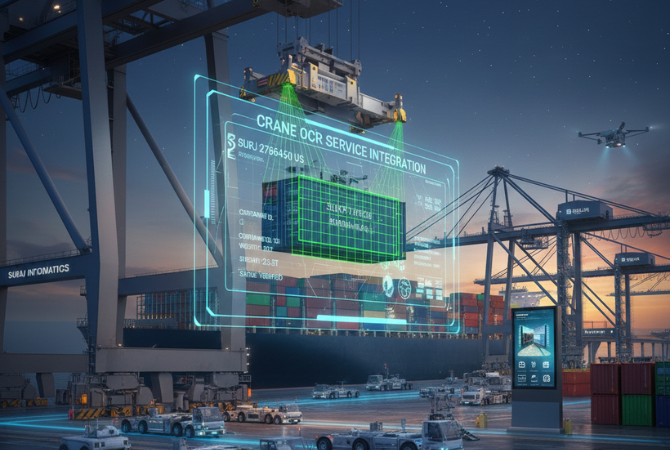
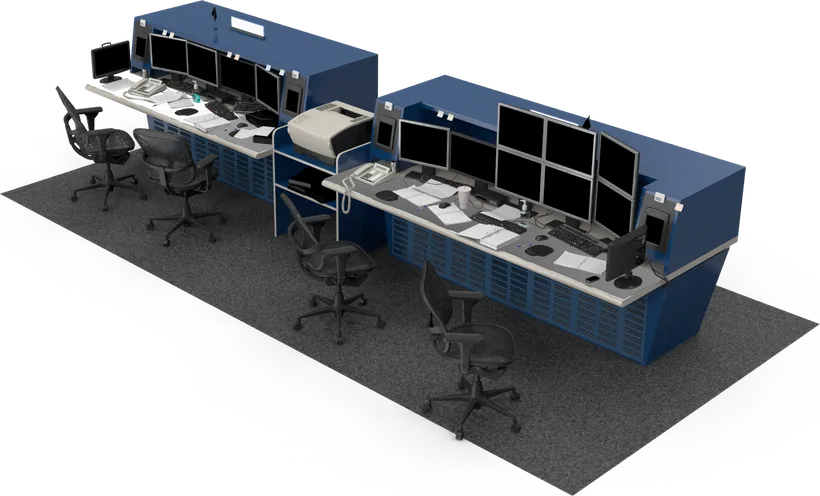
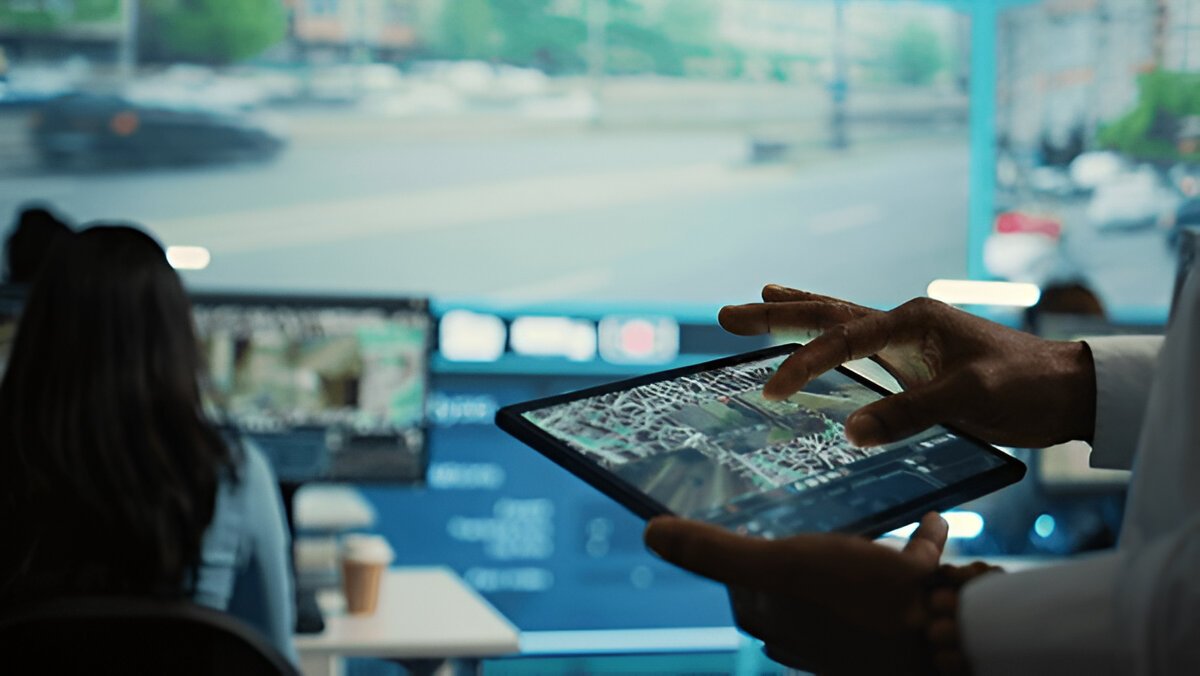
Look at what terminals are installing today. Cameras read container numbers and plates at gates and on cranes. Readers identify vehicles without stopping them. Control rooms combine live views, alerts and reports on large screens. These are practical tools in use now, and the next steps mostly connect and extend them.
Practical changes to plan around
- More data captured automatically. Fewer manual entries at the gate, quay and yard.
- Systems that share data. Open interfaces so gate, yard and terminal systems agree on the same record. See smart port technologies explained.
- Central monitoring. One team watching several areas, with alerts instead of constant patrols.
- Security as routine work. Connected equipment needs patching, access control and monitoring.
- New skills. Staff move from data entry to supervising and handling exceptions.
Preparing a terminal step by step
- Map today’s flow. Note where data is typed, re-typed or lost between teams.
- Pick one pain point. Choose the step where delay or error costs most.
- Check the interfaces. Ask any new system how it connects to what you already run.
- Run a pilot. Test on one lane, crane or block before extending.
- Review and extend. Use your own results to decide the next stage.
What not to assume
Full automation is not a goal for every port. Cargo mix, labour rules, budget and layout all shape the answer, and some terminals gain most from automating identification and records while keeping equipment manually operated. Be wary of any promise that sounds the same for every port. Our phased roadmap for terminals shows how to decide stage by stage.
Preparing your port for what comes next with Suraj Informatics
Suraj Informatics provides port automation services that start with your current operation and add stages as results are proven. Contact us to plan the first stage.
Future of port automation: common questions
Will ports become fully automated?
Some may, many will not. The right level depends on each port’s cargo, costs and rules.
What should a port do first?
Fix the data gaps where information is typed by hand or lost between teams.
Do small ports need to prepare?
Yes, but with simpler steps such as gate identification and shared records.
How do you avoid being locked into one system?
Ask for open interfaces and a written list of what connects to what.
Talk to our port automation team
Tell us about your port or terminal and what you want to improve, and we will suggest where to start.