




Thermal printer security is easy to overlook. A printer on your network is a computer with an operating system, a web page and stored settings, and it is often sited where many people can touch it. If it is left unpatched or unmanaged, it can be a way in for attackers. Here are six steps to lower that risk.
Key takeaways
- Every networked device, including a printer, is a possible entry point.
- Retire old printers that no longer receive firmware or security updates.
- Restrict who can change printer settings, at the panel and over the network.
- Watch the whole fleet so that odd behaviour is noticed early.
Why printers belong in your security plan
Security is only as strong as its weakest link. Thermal printers print shipping labels, receipts and tags in busy places such as depots, counters and gate offices. They connect to the network, and public areas make physical access easy. A plan that covers laptops and servers but forgets printers has a gap.
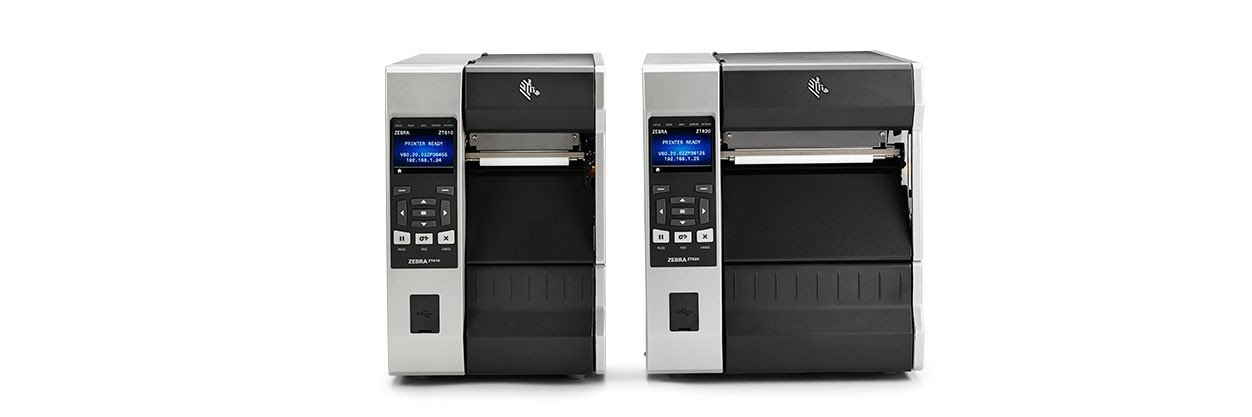
Steps one and two: retire old devices, keep firmware current
Old printers may still work but run outdated firmware and security rules. Do not let them stay on the network because they print. Plan their replacement, and when you refresh the fleet, check that no system is still set to look for the retired devices.
For the printers you keep, treat firmware updates as a routine job, not an occasional favour. Where the update process allows it, confirm that the files you load are genuine, for example by a digital signature or checksum.
Steps three and four: lock access, protect settings
Many printer control panels are open to anyone passing. Even a simple panel password reduces both misuse and downtime. Some printer platforms also offer a protected mode that needs an administrator account before settings can be changed. Turn off network services you do not use and change default passwords.

Steps five and six: manage the fleet and watch it
Managing printers from one place lets you find them, deploy settings and apply updates everywhere at once. Without visibility, a problem can go unnoticed for a long time. Include printers in your monitoring, so unusual traffic or changed settings raise an alert. Our guide to network security components explains the monitoring layer, and what a cyber security network is shows how the layers fit together.
Planning printer security with Suraj Informatics
Suraj Informatics provides cyber security and network monitoring services that cover printers, scanners and the other devices on your network. Ask us for a review of your device fleet.
Securing networked printers: common questions
Are printers really a security risk?
Yes. A networked printer is a device that can be misused if left unpatched or open.
How often should printer firmware be updated?
Treat it as a routine task, and apply updates as the maker releases them.
Do I need to replace old printers?
If they no longer get firmware or security updates, plan their retirement.
Who should be allowed to change settings?
Only named administrators, using a password or admin account.
Talk to our cyber security team
Tell us about your network and devices, and we will suggest how to protect them.





