


Rail automation can mean many things, so the first step is choosing where to begin. For most terminals and sidings, the best start is knowing exactly what each train carries. This article suggests a sequence for rail automation and explains why.
Key takeaways
- Start by identifying trains, wagons and containers automatically.
- Connect the data to yard, gate and terminal systems next.
- Add condition images and alerts once the data flow is stable.
- Choose the sequence to fit your siding or terminal, not a template.
What rail automation covers
At a terminal or siding, rail automation usually means capturing what arrives and leaves by train, and sharing it with the people and systems that need it. That covers identification, data links, images and alerts. Each stage builds on the one before.
Identify trains and wagons first
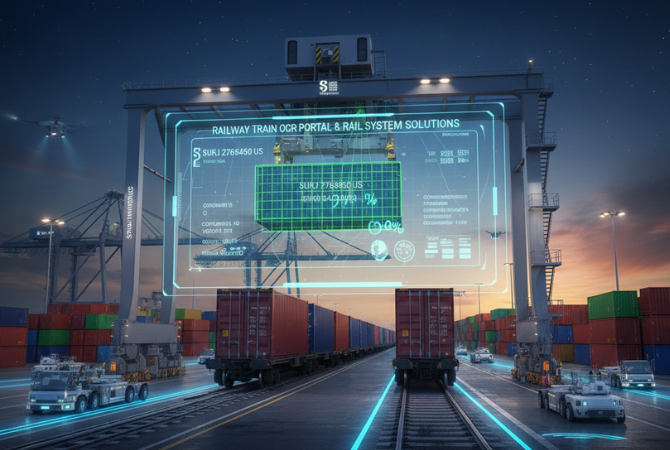
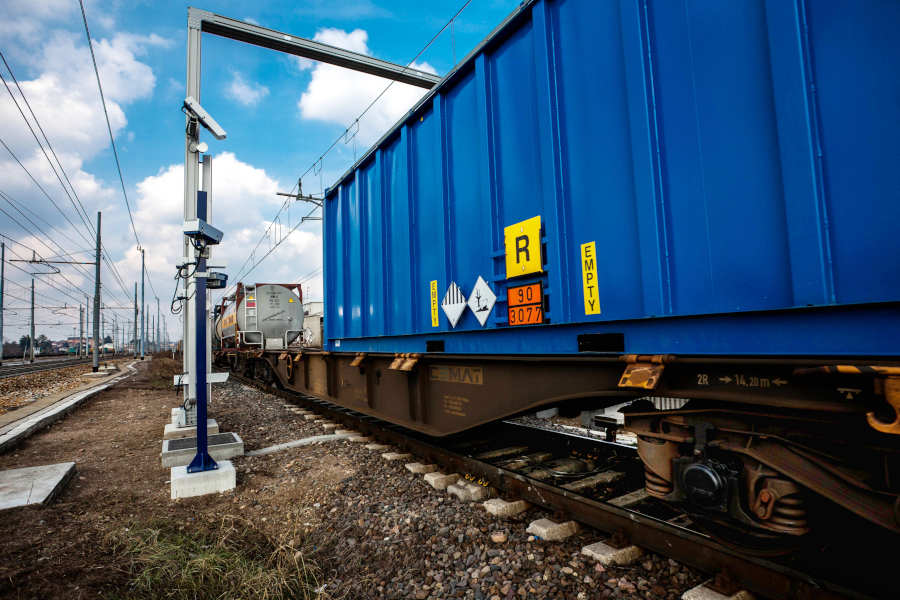
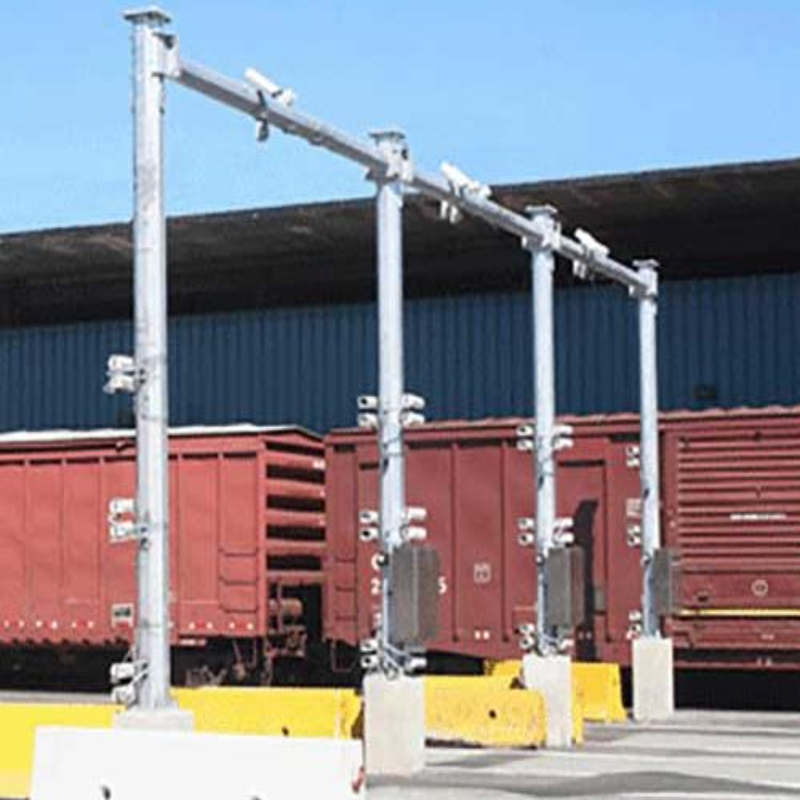
A portal over the track holds cameras that read wagon numbers and container numbers as the train passes at running speed. RFID readers can add tag data where wagons carry tags. Without this base, nothing else in the yard can be trusted. See intermodal rail OCR for how it works.
Link rail data to the yard and gate
Once the train list is captured, send it to the terminal or yard system. Planners can then match arrivals with plans, and gates can match outbound trucks with the boxes unloaded. Read rail OCR integration with the TOS and yard system for the data flow.
Add condition images and alerts
With data flowing, use the images for condition records and set alerts for missing or unexpected wagons. Staff review exceptions from a control room instead of walking beside the train. Compare this with manual train checking versus rail OCR.
Choosing a sequence that fits
A busy intermodal terminal may begin with the portal and the terminal link together. A plant siding may start with identification only. Pick the first stage that removes the largest manual task, then add the next stage.
Planning rail automation with Suraj Informatics
Suraj Informatics provides railway OCR portals and rail system solutions for terminals, ICDs and plant sidings. Tell us about your tracks and train volumes, and we will suggest where to start.
Rail automation: common questions
Where should rail automation start?
Usually with automatic identification of trains, wagons and containers.
Does it need changes to the track?
A portal is installed beside or over the track. The exact work depends on the site.
Can the data go to our existing systems?
Yes, through an interface to your terminal or yard system.
Is it only for large terminals?
No. Plant sidings and ICDs can use it at their own scale.
Talk to our rail OCR team
Share your track layout and train volumes, and we will suggest a rail automation plan.