



RTLS use cases range from finding shared tools to following pallets through a plant and keeping staff out of restricted areas. In each case a tag sends its position to fixed reference points, and software shows it on a map. This article walks through the main uses and how to pick the first one.
Key takeaways
- RTLS locates objects and people inside a building or other enclosed area.
- Common uses are equipment finding, pallet and vehicle tracking and staff locating.
- People tracking needs clear rules and open communication with staff.
- Start with one daily problem, then extend.
Finding equipment and tools on a large site
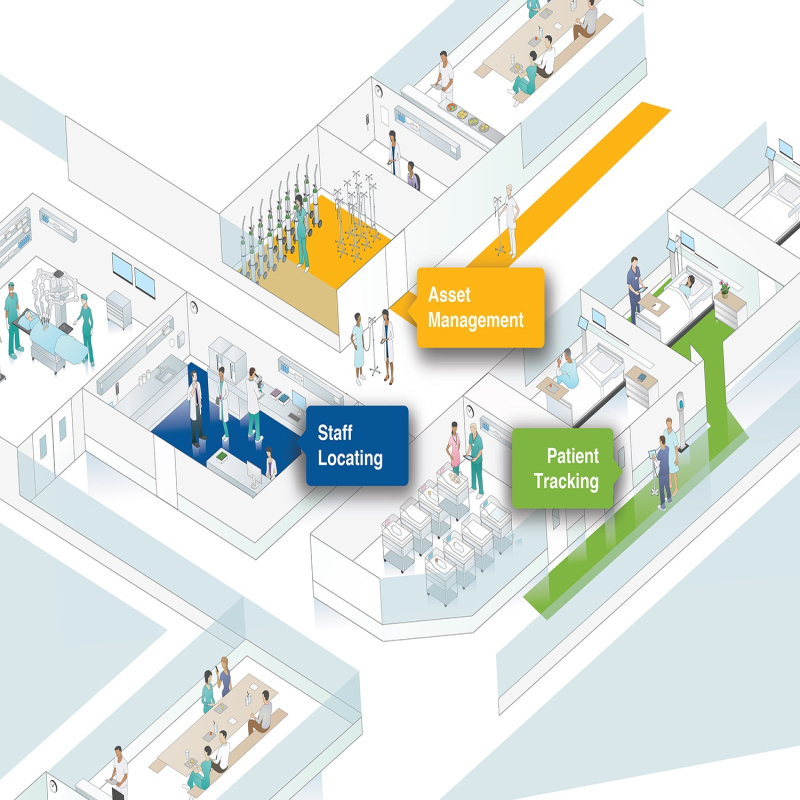
The most common use of RTLS is simple: find the thing you need. Shared tools, test instruments, pallets and mobile equipment carry tags so staff can look them up instead of walking the site. In a hospital the same idea locates medical equipment, which frees clinical staff from searching.
Following vehicles and pallets through production
On an assembly line, tags on vehicles or work in progress show which stage each item has reached. In a warehouse, tagged pallets show where stock sits and how it moved. Teams can spot items that have stopped moving and act before a line or dock is affected.
Different signals suit different jobs. Read RTLS technologies compared: UWB, BLE, RFID, Wi-Fi and GPS to match a technology to the use case.
Locating staff and supporting safety
Tags can also be worn by people. Supervisors can see where teams are working, and an alert can warn when someone enters a restricted area. This needs to be planned with staff and handled under the company’s privacy policy, with a clear explanation of what is tracked and why.

Choosing your first RTLS use case
Pick one problem that costs time every day, such as searching for shared equipment, and prove RTLS there. Define the area, the number of tagged items and the report you need. Our RTLS implementation guide covers the survey, tags, anchors and software.
Exploring RTLS use cases with Suraj Informatics
Suraj Informatics provides RTLS solutions that can be shaped around your first use case and extended later. Share your site details and we will help you choose a starting point.
RTLS use cases: common questions
What can RTLS track?
Equipment, tools, pallets, vehicles on a line, medical devices and, with consent, staff. Anything that can carry a tag.
Where is RTLS usually used?
In hospitals, warehouses, factories and yards, where items move often and are hard to find.
Does RTLS give direction and speed?
Location data often does not include direction, speed or orientation. Check what your chosen system reports.
Is staff tracking allowed?
Rules differ by company and country. Agree a policy, tell staff what is tracked and limit use to the stated purpose.
Talk to our RTLS team
Describe the items you lose track of and the area you work in, and we will suggest where to begin.