

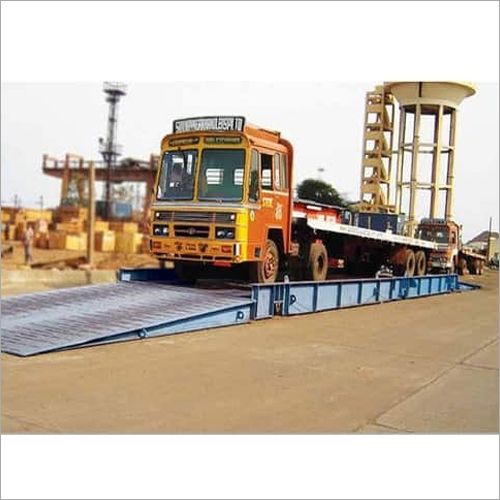

Weighbridges have been used to weigh trucks for a long time, but the way a weight is taken and recorded has changed a great deal. Early weighbridges relied on an operator, a cabin and a paper slip. Today an unmanned weighbridge system captures the weight, the vehicle and the document in one automated step. This guide traces that change and shows what each stage means for accuracy and control.
Key takeaways
- Manual weighbridges depend on an operator to read the weight, write the slip and enter the data.
- Semi-automatic systems add an indicator and software, but still need a person at the cabin.
- An unmanned weighbridge system adds sensors, identification and cameras so no one needs to be in the loop for each truck.
- Moving up one stage at a time lets a site fix its weak points without a full rebuild.
Stage one: the manned weighbridge
In a manual setup an operator sits in a cabin, watches the indicator, writes the weight on a slip and later keys it into a register or spreadsheet. The method works, but every step is a chance for an error: a misread figure, a wrong vehicle number or a slip that is lost. It also ties up staff and makes it hard to see what is happening across several sites. Our guide to manned versus unmanned weighbridges compares the two models in more detail.
Stage two: indicators and software
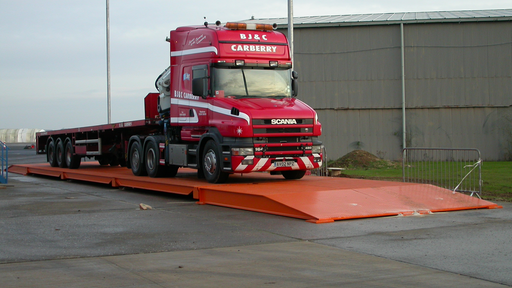
The next step added a digital indicator and weighbridge software, so the weight moved to a computer without retyping. A printer produced the slip. This reduced reading errors, but a person was still needed to start each weighment, check the vehicle and issue the ticket. Queues and idle time at the cabin remained.
Stage three: the unmanned weighbridge
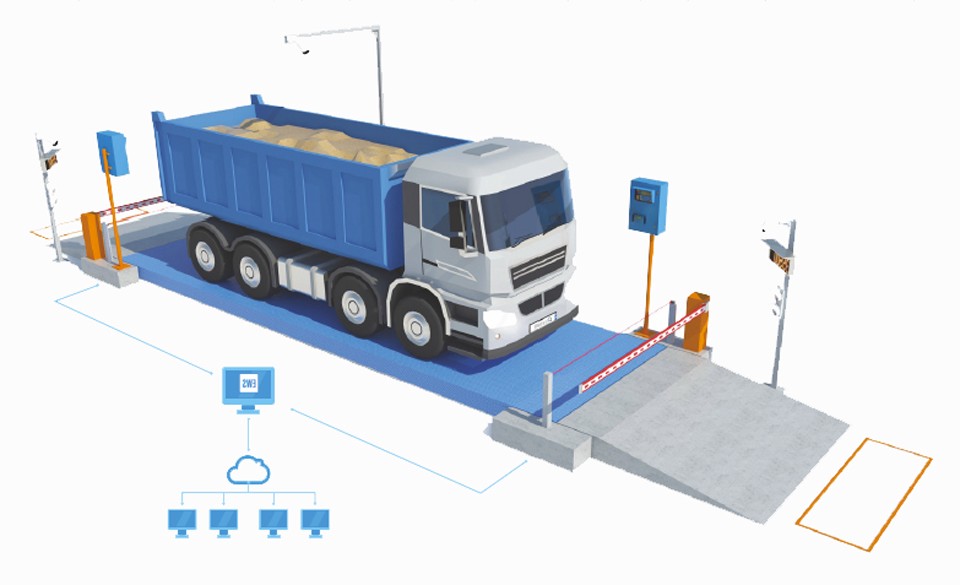
An unmanned system removes the operator from routine weighments. Sensors detect the truck and check that it is correctly placed, cameras read the number plate, RFID or a card identifies the vehicle, and software takes the stable weight and prints or sends the ticket. Exceptions, such as an unknown vehicle, go to a supervisor or a remote operator.
| Stage | Who takes the weight | Main limit |
|---|---|---|
| Manned | Operator reads and writes it | Errors and slow throughput |
| Semi-automatic | Software stores it, operator starts it | Still needs a person at every weighment |
| Unmanned | System captures it automatically | Needs good setup, calibration and exception handling |

Planning the move to an unmanned system
Start by listing how weights are taken and recorded today and where errors or delays occur. Then decide what to automate first, such as vehicle identification or direct posting to the ERP, and test it on one lane. Remember that automation does not replace calibration: see unmanned weighbridge components for the hardware you will need to maintain.
Moving a weighbridge site to unmanned operation
Suraj Informatics designs and installs unmanned weighbridge systems for plants, mines and logistics sites, and can upgrade an existing weighbridge in stages. The system connects to your ERP and to the GATIVRA platform for gate and yard control.
Calibration note: automation does not replace legal metrology. The weighbridge, load cells and indicator must still be calibrated, stamped and verified at the intervals required by the Legal Metrology authorities, and after any repair or relocation.
Unmanned weighbridge systems: common questions
How is an unmanned weighbridge different from a manual one?
A manual weighbridge needs an operator to read and record each weight. An unmanned system identifies the vehicle and captures the weight automatically.
Can an existing weighbridge be upgraded?
Often yes. The platform and load cells can stay if they are in good condition, while indicators, sensors, cameras and software are added.
Do unmanned weighbridges need calibration?
Yes. The weighing equipment must still be calibrated and verified as the law requires.
Who handles exceptions?
A supervisor or remote operator handles cases such as an unknown vehicle or an unstable weight.
Talk to our weighbridge team
Tell us about your weighbridge and vehicle types, and we will suggest the right sensors and guidance devices.