

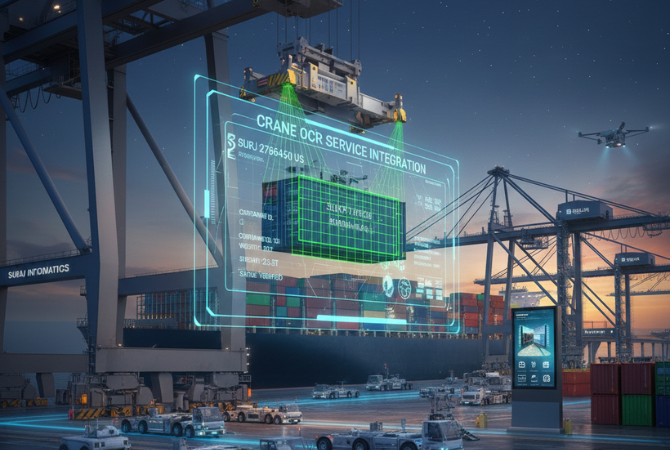

Crane OCR inventory reconciliation uses the number read at each lift to keep terminal records in step with the real yard. This article explains where records drift, how reads are compared with instructions and how a shift-end review closes the remaining gaps.
Key takeaways
- Yard records drift when a box is misplaced, mis-keyed or never confirmed.
- Crane OCR reads each container as it is lifted and compares it with the instruction.
- A match confirms the move, a mismatch raises an alert and a no-read goes to a check.
- A shift-end review of disagreements shows where to improve.
Where yard records and the real yard drift apart
Terminal systems know where a container should be. The yard shows where it is. Over a busy shift the two can drift apart: a box is placed in the wrong slot, a number is keyed wrongly, or a move is done and never confirmed. Staff then search the stacks while trucks wait.
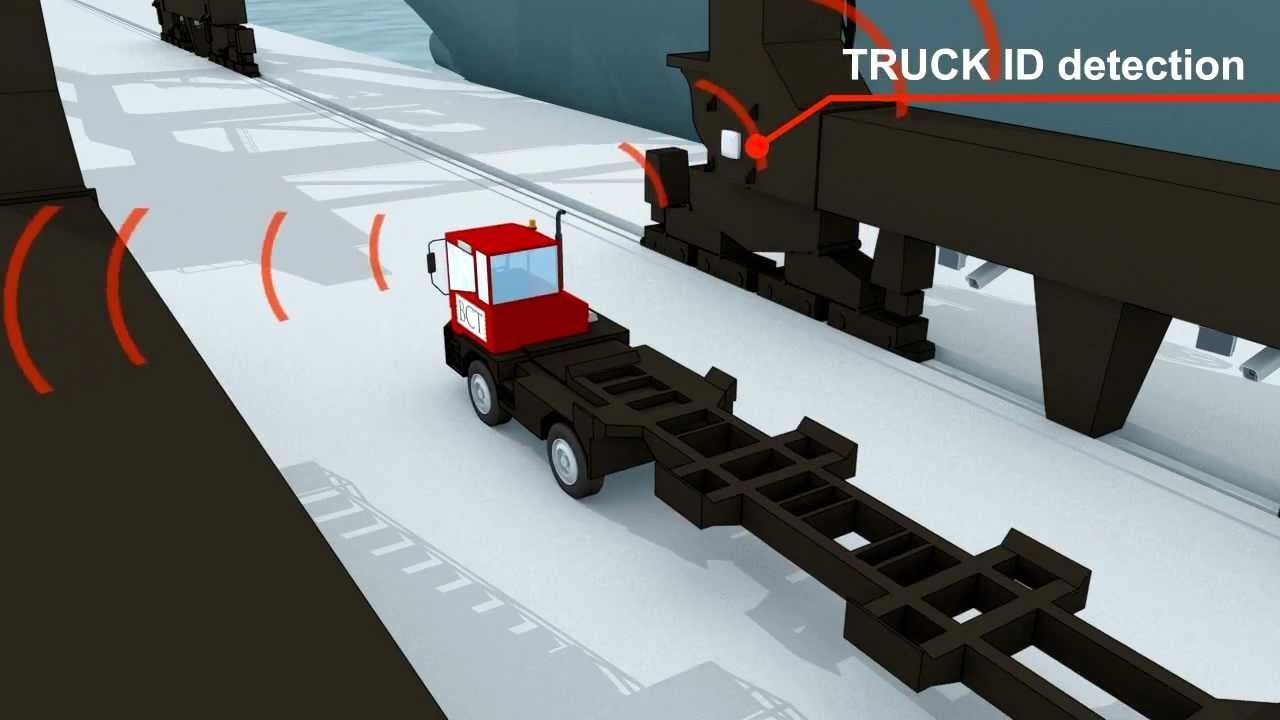
Crane OCR gives the system a second source of truth. Cameras on the crane read each container number as it is lifted, so the record reflects what actually moved.
How reads are compared with the plan
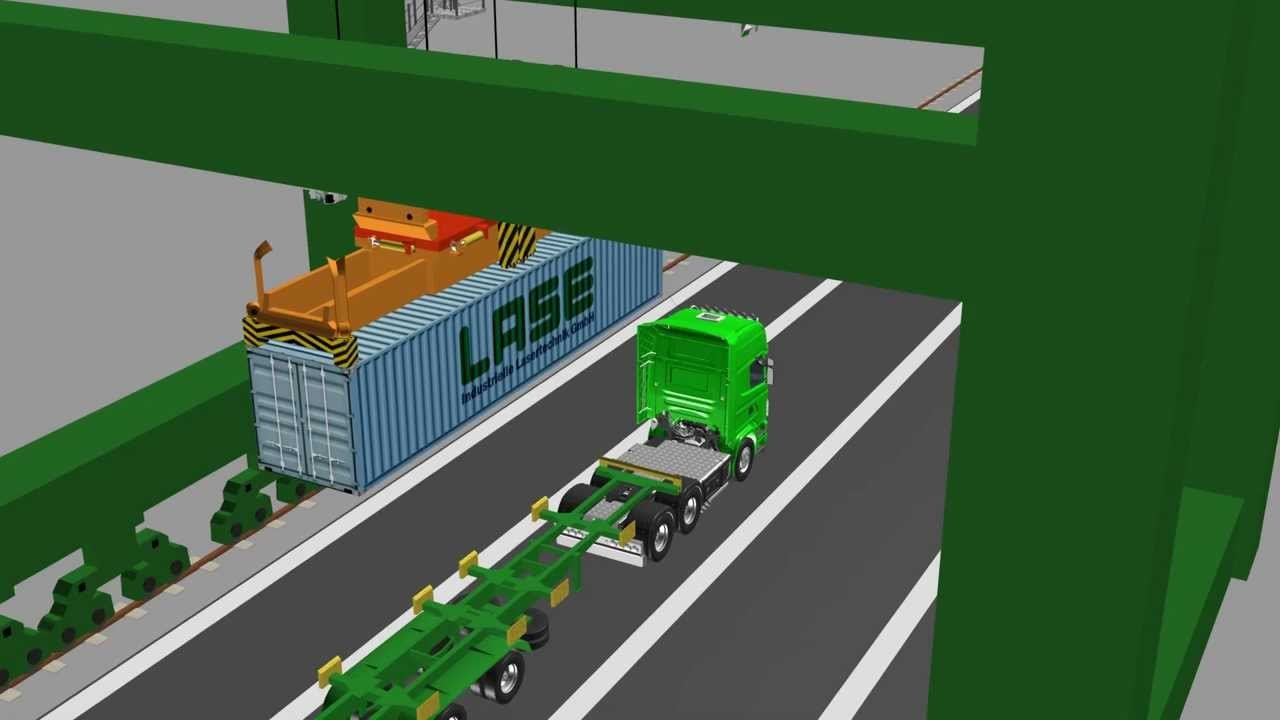
For every lift the terminal system holds an instruction: which container, from where and to where. The crane OCR read is compared with it, and the result is one of three outcomes.
| Outcome | Meaning | Typical action |
|---|---|---|
| Match | Number read equals the instruction | Confirm the move automatically |
| Mismatch | A different container was lifted | Alert the operator before the move is completed |
| No read | Number could not be read | Check by camera image or manual look |
The checking itself is explained in reading and validating ISO container codes.
Reconciling the records at shift end
Even with checks at the crane, a daily reconciliation pays off. List moves where the system and the read disagreed, containers with no confirmed position and moves that were later corrected by hand. Review them with the yard team to find the cause, such as a particular crane, lane or time of day. Over time the list shows where procedures or equipment need attention.
What to settle before relying on the data
Agree which system holds the master record, how a corrected record is approved and who may overrule a read. Make sure time stamps are aligned between crane and terminal systems so that matches are accurate. Keep images for the period you may need them for queries, as set out in crane OCR reporting: moves, exceptions and the audit trail.
Planning crane OCR reconciliation with Suraj Informatics
Suraj Informatics provides crane OCR services that send container reads to your terminal system. Share how you record moves today and we will suggest how to close the gaps.
Crane OCR reconciliation: common questions
What does reconciliation mean here?
It is comparing what the terminal system believes with what the crane actually moved, and correcting the differences.
Does crane OCR remove every mismatch?
No. It catches most at the lift and alerts the operator, but unreadable numbers and manual corrections still need review.
Which system keeps the master record?
Usually the terminal operating system. Crane OCR sends reads to it and does not replace it.
How long should images be kept?
Long enough to answer queries and claims. Agree a retention period with the terminal’s policies.
Talk to our crane OCR team
Tell us where your yard records and the real yard disagree, and we will suggest how crane OCR can help.