



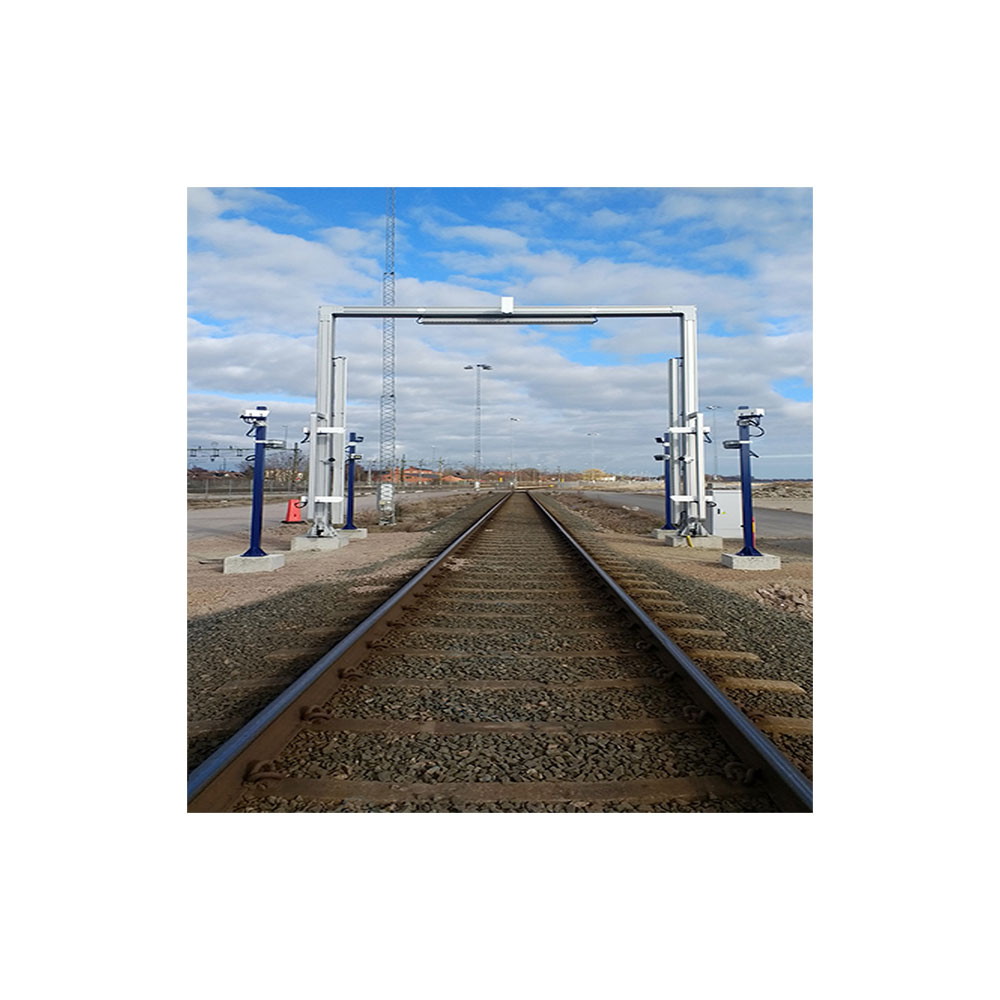
Intermodal rail OCR reads wagon and container identities from a moving train, so the weather and the light decide how good the images are. A portal that works on a clear afternoon must also work in monsoon rain, in dust and at night. This guide covers the factors that keep the reads steady.
Key takeaways
- Lighting, camera angle and shutter settings matter more than camera resolution alone.
- Train speed sets how sharp the image can be, so portals must be matched to line speed.
- Rain, dust and glare are managed by placement, shielding and cleaning.
- Test across seasons and keep records of read results.
Lighting and glare at the portal
Daylight shifts through the day, so low sun can wash out a number or throw a shadow across it. Portals use controlled lighting and camera positions that avoid direct sun, so the same wagon reads the same way at dawn and at night. Check the placement against the sun path at your site.
Train speed and image sharpness
The faster the train, the shorter the exposure must be, and short exposures need good light. Confirm the maximum speed through the portal and check whether trains slow or stop in the section. Wagon numbers on dirty or worn surfaces may still need a manual review, as discussed in how train OCR portals read wagons and containers.
Rain, dust and heat on the equipment
Enclosures, lens hoods and sealed cable entries protect cameras from rain and dust. Clean lenses on a schedule that matches how dusty the site is, and check cooling in hot months. Keep a log of cleaning so any drop in read quality can be linked to it.
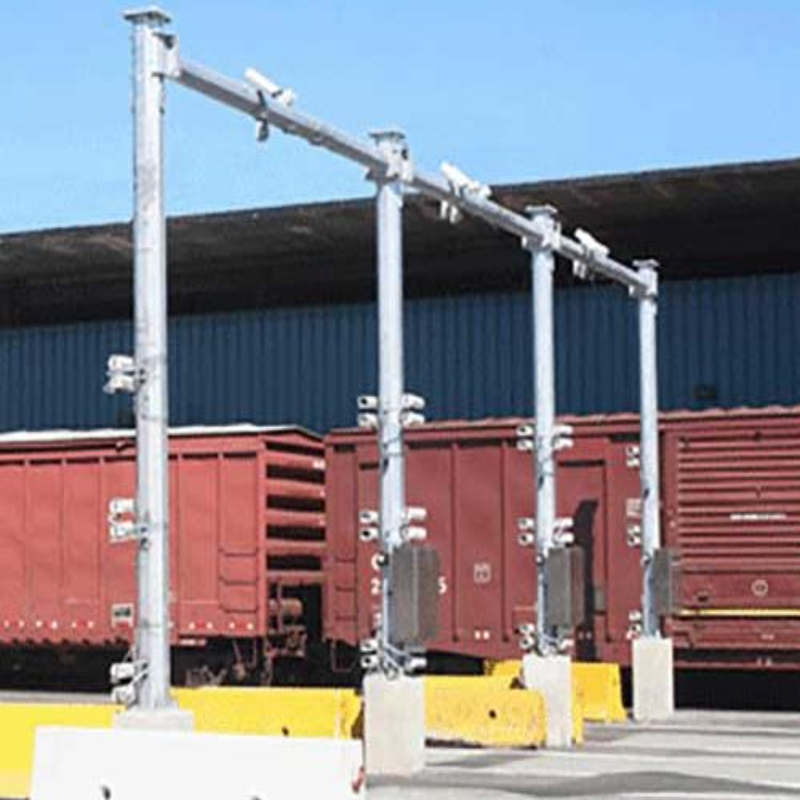
Testing across seasons and shifts
Run acceptance tests in daylight, at night and in rain, using a sample of real trains. Record read rate and the reasons for misses, then retest after the first monsoon. For connecting the reads to terminal systems, see rail OCR integration.
Reliable train reads with Suraj Informatics
Suraj Informatics installs rail OCR portals for rail terminals and sidings, with lighting and camera layout planned around your climate. Tell us your line speed and site conditions and we will advise on the setup.
Rail OCR conditions: common questions
Does rail OCR work at night?
Yes, with controlled lighting and cameras set for low light.
What train speed can it handle?
That depends on the portal design. Confirm your line speed with the supplier.
Does rain stop reads?
Enclosures, hoods and cleaning keep most reads steady, but heavy dirt may need a review.
How often should lenses be cleaned?
Set it by site dust level and watch the read results to adjust.
Talk to our rail OCR team
Tell us your line speed and site conditions and we will plan a portal that reads reliably.