


RFID track and trace lets you see the history of each tagged item: where it was, when and in what state. It suits materials, tools, pallets and other assets that move between sites. This guide explains what to tag, how a tag is linked to a record and how to choose between RFID, barcodes, BLE and GPS.
Key takeaways
- A tag is linked to a record, and every read adds an event.
- Suitable for materials, tools, returnable transport items and equipment.
- Barcodes, passive and active RFID, BLE and GPS each have a place.
- Test tags on your own items before you scale.
What gets tagged for RFID track and trace
RFID track and trace follows physical items through their life by reading a tag attached to each one. Typical candidates are pipe spools, structural steel, valves, cable reels, tools, pallets, roll cages and tote boxes. In hospitals the same method follows mobile equipment and surgical instruments, so staff spend less time looking for them.
Linking a tag to a record
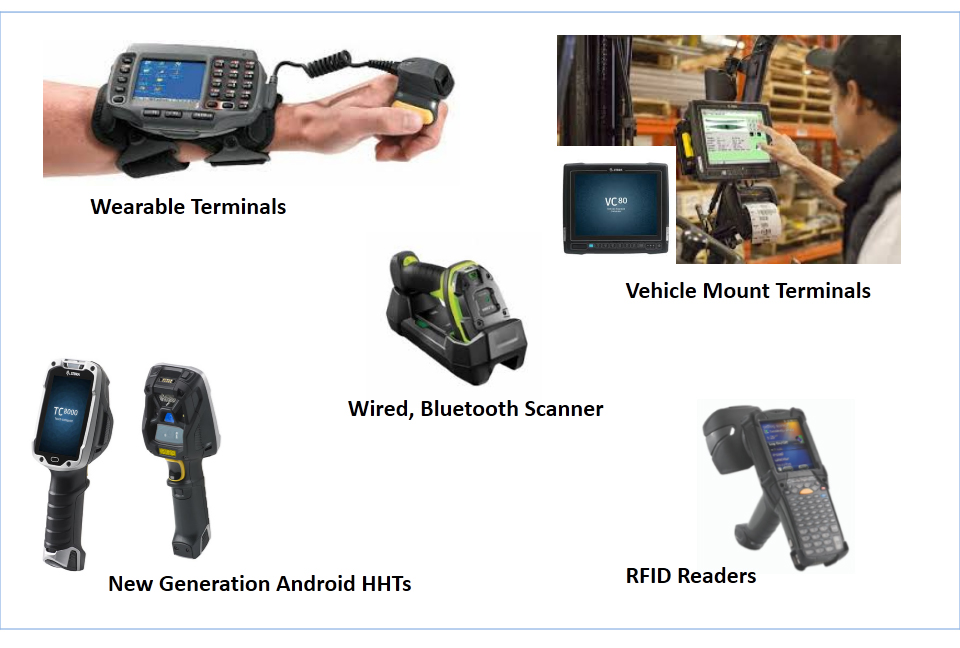
Tracking starts when a tag is attached to an item and linked to its record in the database. From then on, every read at a gate, dock or handheld adds an event: place, time and status. The item can be followed from the supplier to site, through storage and to the point of use, including an off-site laydown yard.
Choosing between RFID, barcode, BLE and GPS
No single technology fits every item. Barcodes are low cost but need a line of sight to each label. Passive RFID can be read without sight lines and in bulk. Active RFID and BLE tags give a wider range. GPS suits vehicles and containers on long journeys. Many projects combine several. Our comparison of RFID asset tracking software shows how the software side differs.

Where to start with an RFID track and trace project
Choose one flow, such as incoming materials or returnable transport items, and map where tags are applied and read. Test tag types on your own materials, including metal and wet surfaces. For vehicle identification, see long-range RFID for vehicle identification.
Planning RFID track and trace with Suraj Informatics
Suraj Informatics designs track and trace solutions that use RFID, barcodes and location technologies. We test tags on your items, set up the readers and link the data to your records.
RFID track and trace: common questions
What is RFID track and trace?
Following items through their journey using RFID tags and readers, with each read stored as an event against the item.
What can be tracked?
Materials such as steel and valves, tools, pallets, roll cages, totes and equipment.
Is RFID better than barcodes?
It does not need a line of sight and can read many tags at once. Barcodes cost less per label. Many sites use both.
Do I need to replace my software?
Not always. Tag reads can often feed an existing system through an interface.
Talk to our RFID team
Tell us what you want to follow and where, and we will suggest tags, readers and a pilot.